







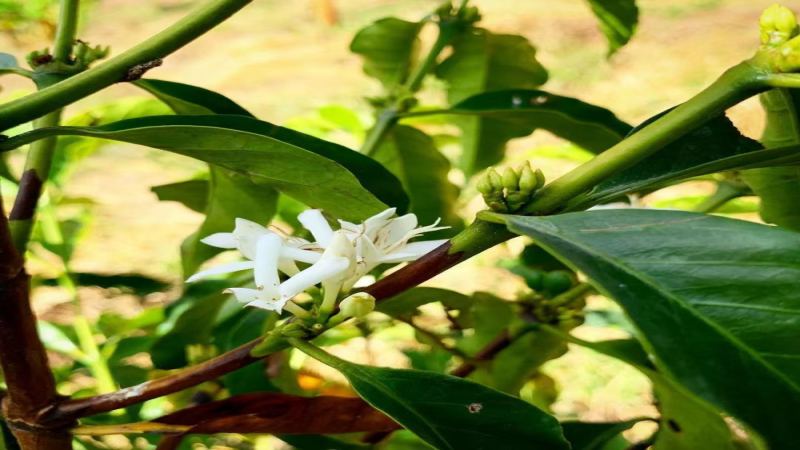
What makes gesha coffee from Panama taste so distinctive?
Gesha and Geisha are two spellings of the same coffee variety, not separate types. The bean comes from Ethiopia's Geisha Mountain and was named because the pronunciation resembles the Japanese word geisha. It moved from Africa to Costa Rica, then to Panama, where it was first planted only as a windbreak because its yields were low and few farmers wanted it.
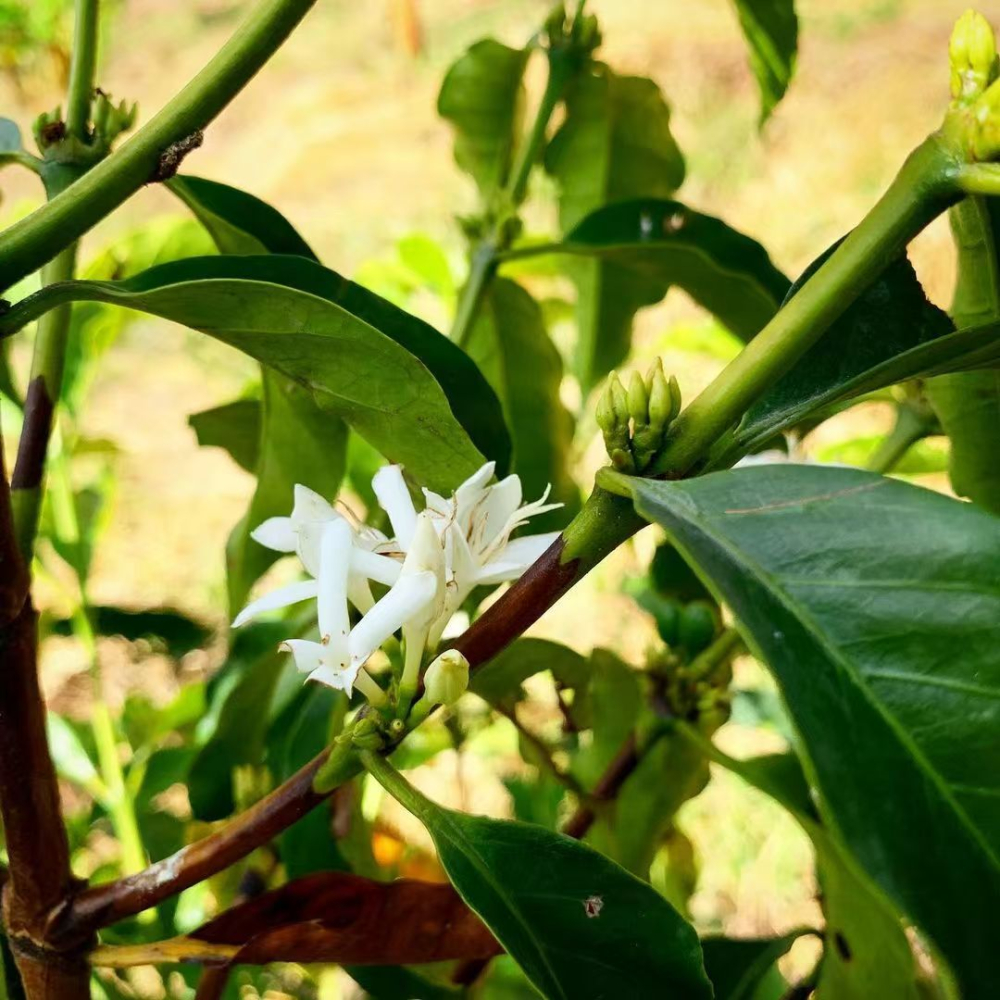
The turning point came at Hacienda La Esmeralda. Beans from the highest Geisha trees carried citrus and floral notes, and that lot won the 2004 Panama cupping competition. After repeated wins in following years, Panama geisha became a reference point for specialty coffee, and the variety's cup profile is now closely tied to that estate's story.
People often ask: are Geisha and Gesha actually the same variety? The answer is simple—they are just different translations of the same coffee bean. This variety comes from Ethiopia's Geisha Mountain, and got its name because the pronunciation sounds similar to Japanese geisha. It traveled from Africa to Costa Rica, and was then introduced to Panama, where it was initially used only as a windbreak. Its yield was low, and no one paid it much attention. That was until the Peterson family at Hacienda La Esmeralda discovered the citrus and floral notes in its cup, entered it separately in competition, and won first place in 2004, rewriting the landscape of specialty coffee ever since. This article will provide a complete overview of this legendary bean's flavor code, from the variety's origins, raw bean appearance, and Front Street Coffee roasting recommendations to cupping performance.
For more specialty coffee knowledge, welcome to follow our WeChat public account: Front Street Coffee (FrontStreet Coffee).
Geisha coffee beans, also written as Gesha coffee or geisha beans, actually all refer to the same variety. Its name comes from Ethiopia's Geisha Mountain, and because the pronunciation is similar to Japanese geisha, it received this name.
This bean's story is quite legendary. It originated in southwestern Ethiopia in Africa, and in 1963 Don Pachi Serracin introduced the Geisha coffee tree from Costa Rica to Panama. Because its yield was relatively low, it directly affected farmers' harvests, and willingness to plant it was not high. The turning point came at Panama La Esmeralda, where estate owner Daniel Peterson偶然 discovered that the beans from the Geisha coffee trees at the highest part of his estate, originally used as a windbreak, actually carried the citrus and floral notes unique to African beans. He separated this batch of beans and sent them to the 2004 Panama coffee bean cupping competition, where they caused a sensation. After that, Geisha beans went from strength to strength, winning the Panama coffee cupping competition championship for many consecutive years. In the hearts of specialty coffee lovers around the world today, geisha coffee beans are undoubtedly a top-tier treasure.
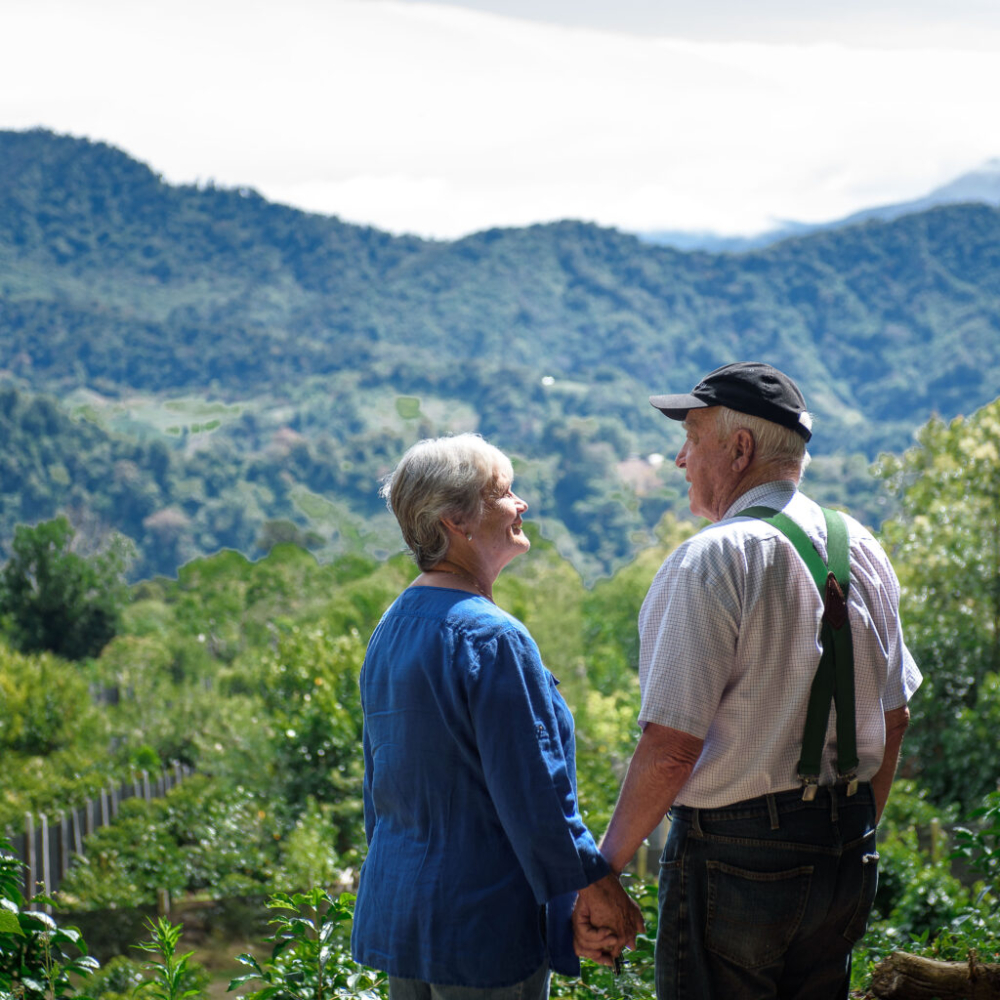
La Esmeralda's Geisha becoming a world-famous coffee actually stemmed from an accident. Retired Swedish-American banker Rudolph A. Peterson bought La Esmeralda in Panama with the intention of spending his later years in peace, but unexpectedly, an unintentional act bore fruit—the coffee trees on the estate produced fruit, and he casually sent them to competition, where they unexpectedly won the 2004 Panama specialty coffee competition national championship in one go.
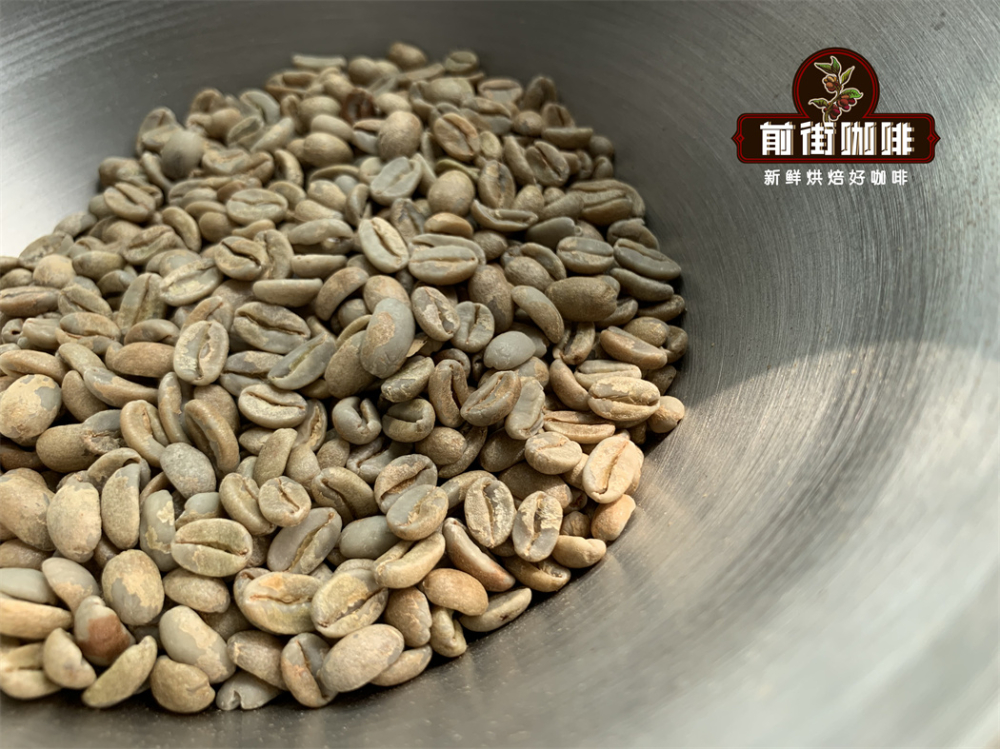
Gesha green beans present a very beautiful blue-green color, with a warm, jade-like texture. They smell of fresh grass, peach, and berries, as well as the creamy sweetness unique to oolong tea that most coffee beans do not possess. It seems that perceptions like aroma and flavor really require association to accompany them, but the faint tea note is something we can clearly detect.
Front Street Coffee (FrontStreet Coffee) roasting recommendations
Once you get a Gesha, how should you roast it?
If you want to fully express Gesha's personality, you must put effort into the roasting stage. Gesha is usually grown at high altitudes above 1,500 meters. What we have is a high-hardness, high-density bean from 1,700 meters, plump in shape, medium in size, with a thick and somewhat elongated body and pointed ends.
In order to highlight this bean's characteristics and aroma, a light roast is recommended. This roast level is better able to bring out the bean's inherent qualities, while too dark a roast will diminish the floral aroma and fruit acidity. Of course, the specifics still need to be adjusted according to the coffee bean's characteristics and the roaster's understanding of the bean.
My personal experience is that during roasting, you need to pay attention: Gesha's roasting curve should not be drawn out too long, otherwise the flavor will seem dull. After first crack, the temperature rise should not be too high. Gesha has pointed ends and is prone to scorch spots, so a temperature rise below 6 degrees is ideal, and at a light roast it better reveals the aroma of tea rose.
Roaster Yangjia 600g semi-direct fire
Raise the drum temperature to 170°C and charge, set the damper to 3, and after 30 seconds adjust the heat to 140°C, keeping the damper unchanged. The turning point is at 1'25". When the drum temperature is 140°C, adjust the heat once. At this point the bean surface turns yellow, the grassy smell completely disappears, and dehydration is complete. Adjust the heat to 100°C and the damper to 4;
At 7'40", rough wrinkles and dark streaks appear on the bean surface, and the toasted bread aroma clearly turns into coffee aroma, which can be defined as the prelude to first crack. At this time, you need to listen clearly for the sound of first crack. First crack begins at 8'12". Reduce the heat to 80°C and set the damper to 4 (adjusting the heat must be done very carefully, not so low that there is no cracking sound). After first crack, develop for 1'30", and drop at 189°C.
Cupping result: the entry acidity is delicate and soft, and a sweet sensation quickly appears on the tongue and lasts a long time. The mouthfeel is clean and bright, like black tea. It has aromas of rose, honeysuckle, sweet potato, grapefruit, lemon, black tea, and sucrose, with clear layers and a long aftertaste.
The above content is compiled by CoffeeHunters, a coffee news website.


