








Whenever people mention black coffee, they always think first ofAmericano, and quite a few friends assume black coffee is just Americano. In fact, black coffee refers to coffee without sugar or milk, and Americano is one type of it.
Americano's taste and flavor depend closely on the espresso used to make it. Although this coffee is called Americano, it is actually espresso diluted with water. A diluted coffee becoming so popular?! In this article Front Street Coffee will talk with everyone aboutAmericano's charm.

What isAmericano?
Although it hasn't been verified, legend says Americano can be traced back to World War II. At the time, American soldiers stationed in Europe really wanted to drink coffee. Unfortunately, Italy only had rich, intense espresso, and the strength of espresso made the American soldiers very uncomfortable.
The American soldiers asked their cooks to add plenty of water to the espresso to imitate the kind of coffee they drank back home. Later, Italians gave this American coffee preference its own name, Americano (the Americans' coffee), and that is the origin of "Americano."

Later, after these American soldiers returned to their own country, they missed this way of making coffee very much, because the process was quick and they could add water according to their own preference. So they began importing pressure-extraction espresso machines from Italy. But after espresso machines entered the American market, because they were expensive and the American public was very unfamiliar with espresso at the time, sales were not good.
It was not until Starbucks introduced Italian espresso machines and launched a range of coffee products including Americano that, through its own store network, espresso-based Americano quickly won the affection of many consumers and began spreading overseas, so many friends first heard of Americano from Starbucks.
AmericanoHow is it made?
According to the Cambridge Dictionary, the word Americano is defined as: a type of coffee drink made by adding hot water to espresso coffee. Only when hot water is added to espresso is it Americano. Simply put, espresso diluted with water is Americano.

Espresso is made by grinding coffee beans into extremely fine particles, then using a pressure-increasing extraction machine to force water rapidly through the coffee particles in a sealed, pressurized environment, extracting the soluble substances from the particles to produce a small amount of highly concentrated coffee liquid. Finally, adding an appropriate amount of hot water or ice water makes Americano.
Americano coffee bean recommendations
To make Americano/espresso, Front Street Coffee recommends using coffee beans specifically blended for espresso. The reasons for recommending blended coffee beans are: first, the cost is lower; second, the coffee beans used in the blend complement each other, which can balance and stabilize the flavor of every cup; and third, most blended coffee beans use medium-dark or darker roasts, so after extraction they are less likely to show sharp acidity or thin coffee flavor.
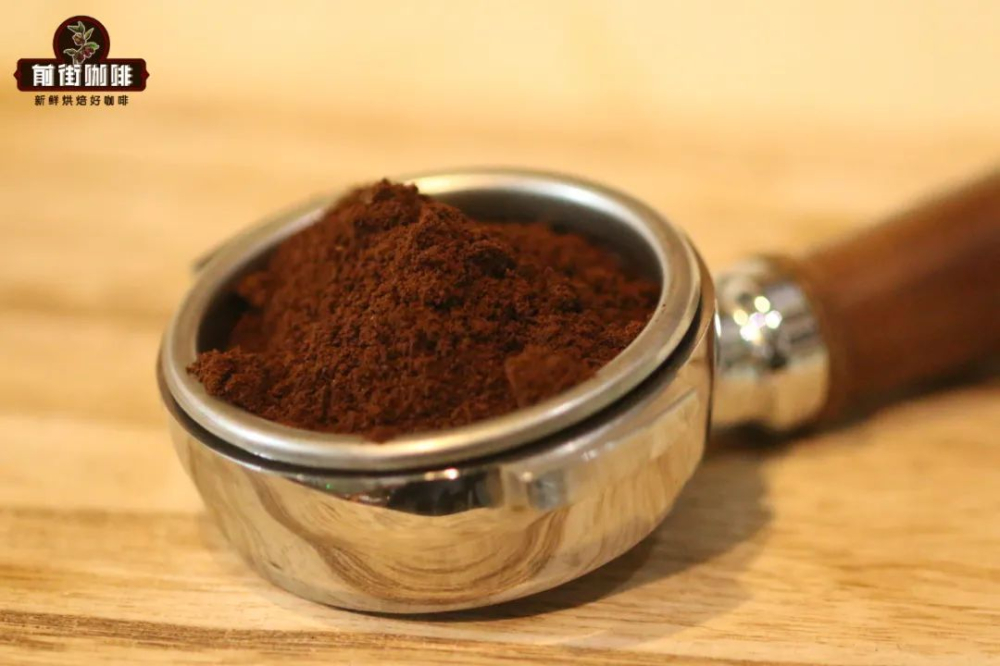
Espresso blend coffee bean recommendations
"Front Street Coffee - Warm Sun Blend": Ethiopian natural Red Cherry coffee beans (30%) + Honduras Sherry Barrel coffee beans (70%), with rich aromas of wine, vanilla cream, berry-like sweet acidity, and roasted nut flavors.
"Front Street Coffee - Front Street Specialty Blend": Colombian washed coffee beans (30%) + Brazilian semi-washed coffee beans (70%), with flavors of nuts, dark chocolate, and caramel.
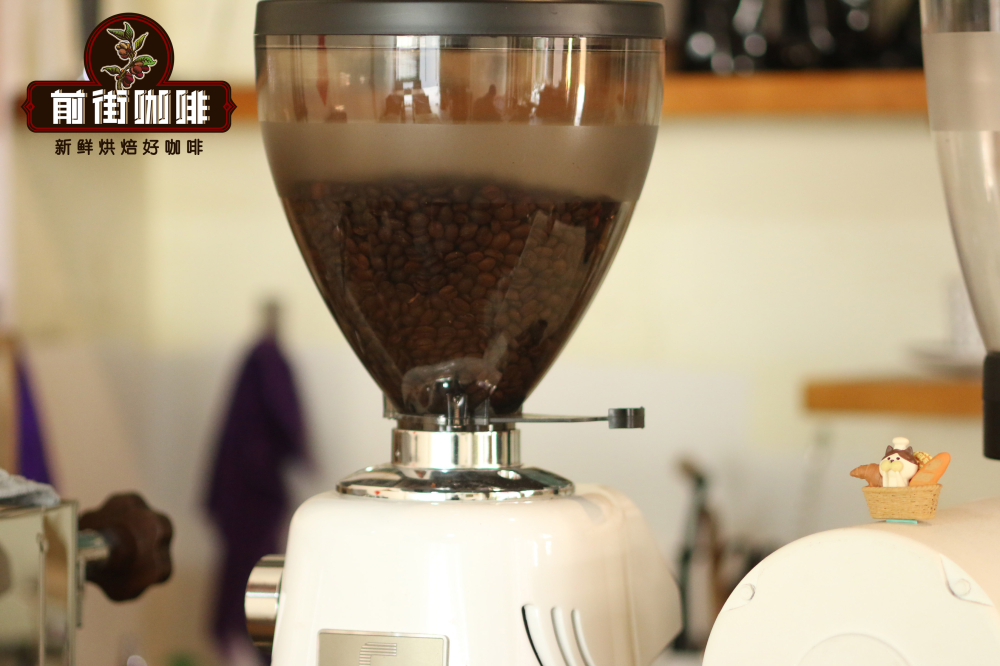
"Front Street Coffee - Front Street Commercial Blend": Robusta washed coffee beans (10%) + Colombian washed coffee beans (30%) + Brazilian semi-washed coffee (60%), with flavors of nuts, cocoa, and caramel.
"Front Street Coffee - Front Street Dark Cocoa Blend": Yunnan washed small-bean coffee (30%) + Brazilian semi-washed coffee beans (70%), with flavors of soft fruit acidity, caramel, and nuts.
SOE single-origin espresso coffee bean recommendations
As specialty coffee culture becomes more widespread, some friends may also want to use single-origin coffee to make Americano. If choosing single-origin coffee beans, Front Street Coffee recommends using coffee beans roasted at medium or above with relatively prominent flavors.
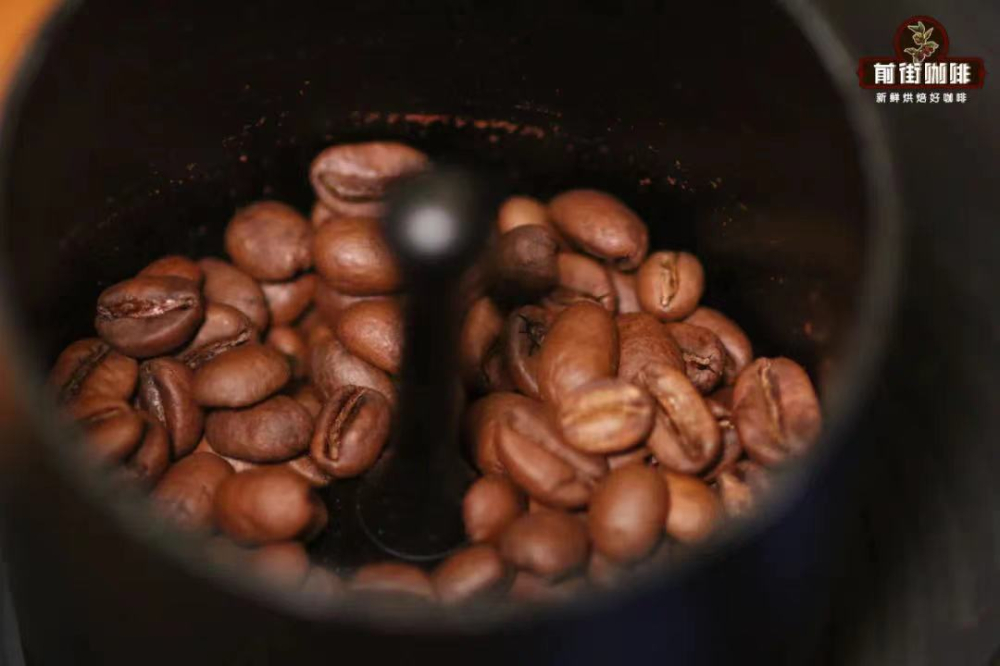
Light-roast coffee beans, when ground extremely fine and extracted under pressure, easily show sharp acidity. Because light-roast coffee overall also lacks sufficient caramelization, its expression tends to be thinner than coffee roasted at medium or above.
"Front Street - Costa Rica Mozart coffee beans", this medium-roast coffee bean, when extracted as SOE, shows raisin-like sweetness, slight floral notes, and berry-like sweet acidity.

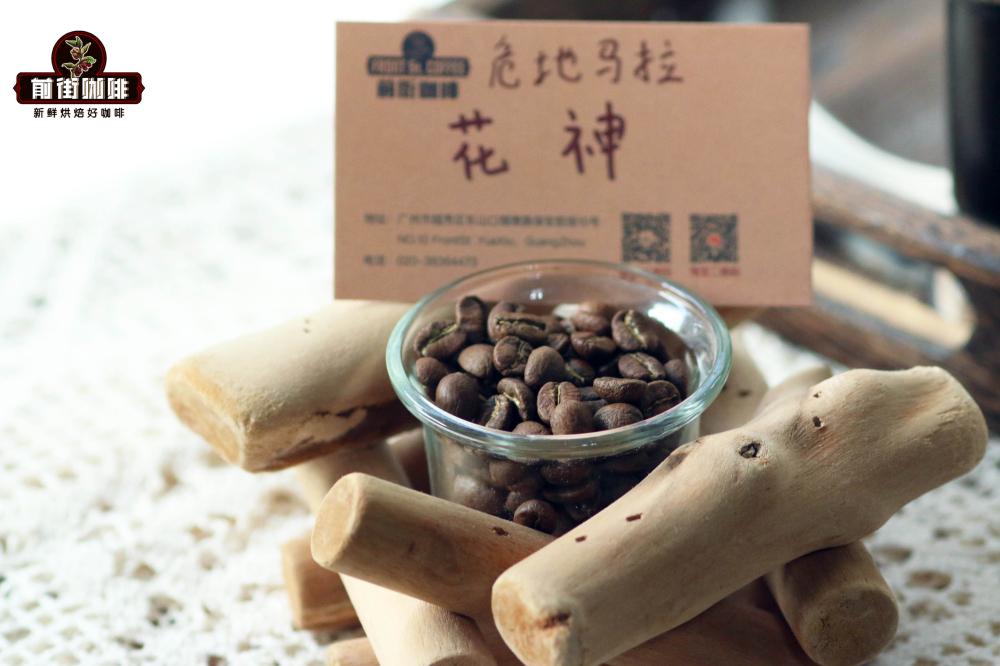
"Front Street - Guatemala Flower God coffee beans", this medium-roast coffee, when extracted as SOE, shows soft fruit acidity, the richness of dark chocolate, and a slight smoky feel.
"Front Street - Brazil Queen Estate coffee beans", this medium-dark roast coffee bean, when extracted as SOE, shows the aroma of roasted peanuts and roasted nuts, as well as dark-chocolate-like richness and a caramel finish.
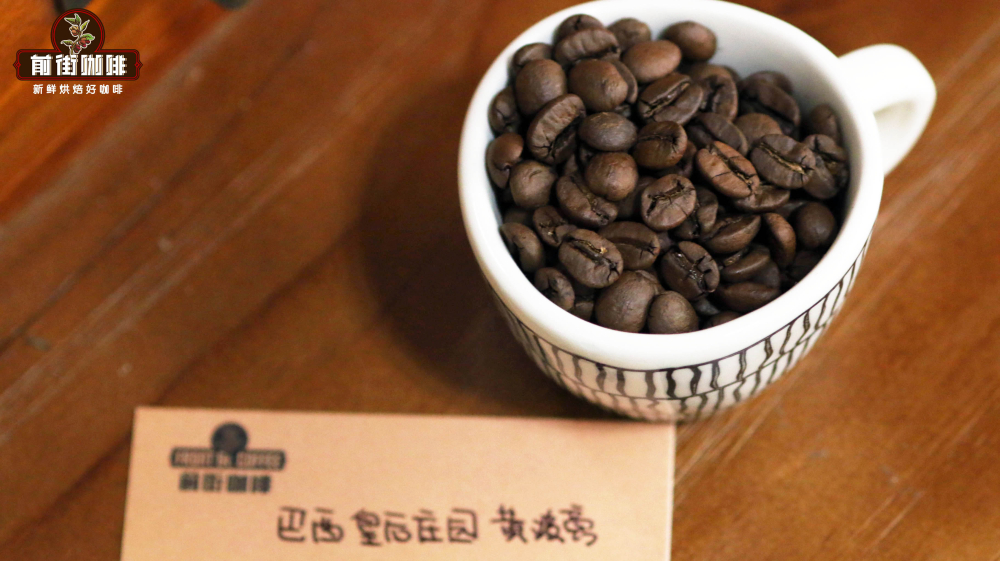
Front Street's extraction parameters for making SOE Americano
Coffee beans: Costa Rica · Mozart
Coffee powder amount: 20g
Coffee liquid amount: 40g
Powder-to-liquid ratio: 1:2
Extraction time: 26–32 seconds
Grind setting: Galileo 2.0

The coffee machine used by Front Street has a double-shot basket capacity, so 20 grams of coffee powder are needed each time, and the extraction powder-to-liquid ratio is 1:2, meaning 40 grams of coffee liquid should come out within a reasonable time. The extraction time is related to the flow rate of the coffee powder. Generally, a single extraction duration is controlled between 20 and 35 seconds. If it is less than 20 seconds, the coffee taste tends to be thin and weak, while if it exceeds 35 seconds, over-extraction easily causes a burnt-bitter taste, so when producing, Front Street controls the espresso time within the range of 26–32 seconds.
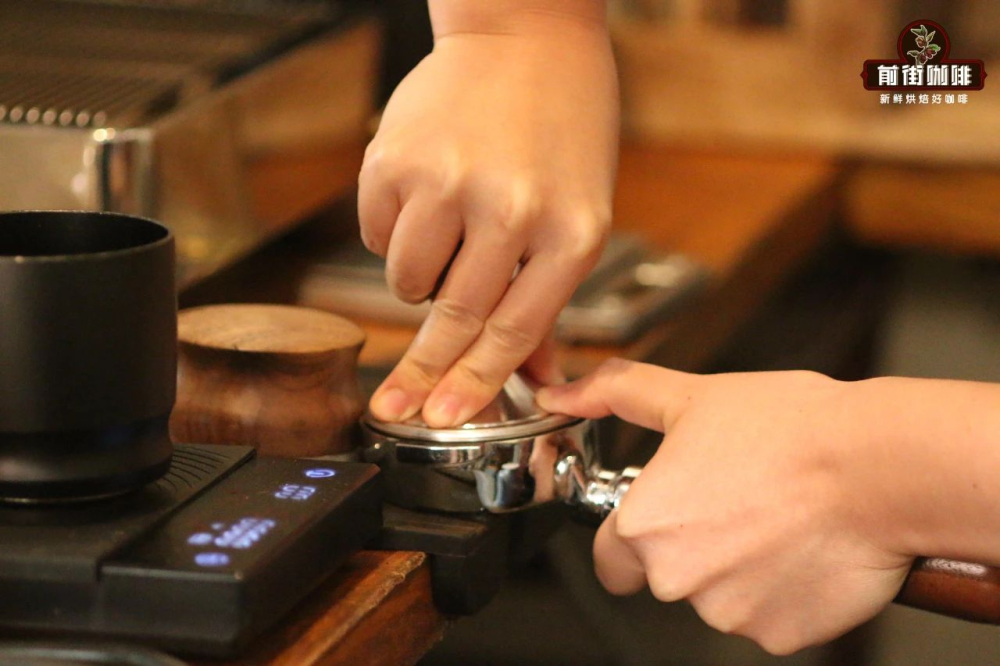
Before extraction, we need to first wipe the basket dry, turn on the grinder, grind out a double shot of coffee powder, place it on an electronic scale and measure to adjust until it reaches 20 grams. Then use a distribution tool to level the coffee powder, and use a tamper to press vertically downward with force, tamping the coffee puck firmly to ensure more stable extraction.

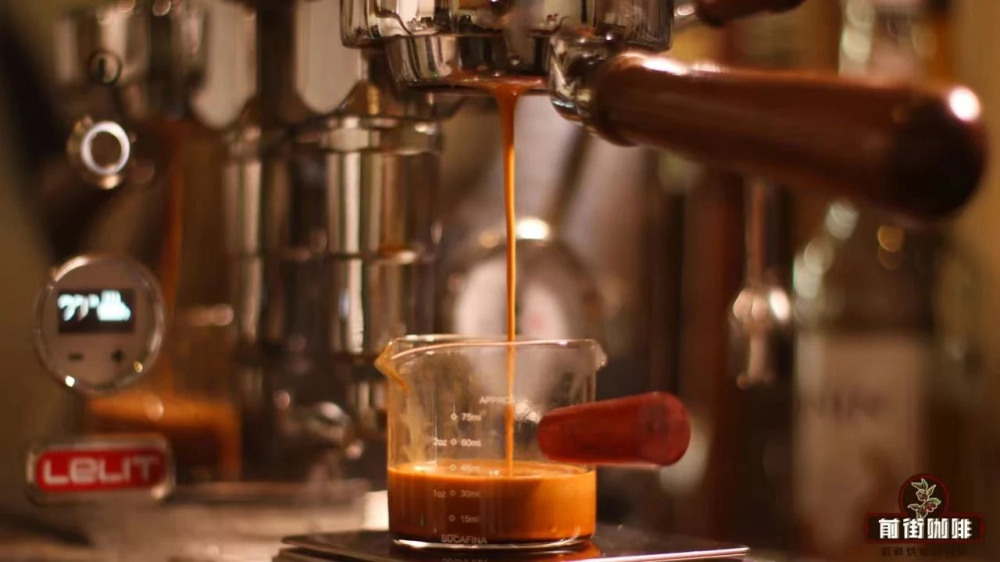
Then turn on the extraction switch and let water run for 1–2 seconds to wet the brew head, while also washing away stuck coffee grounds. Place an electronic scale under the cup that will catch the Espresso and tare it to 0, then place it under the brew head during extraction. Gently lock the portafilter onto the brew head and start the extraction switch. Observe the changes in the extracted liquid. When the electronic scale shows 40 grams of coffee liquid extracted, at about 30 seconds, turn off the extraction switch.
Prepare a cup with a capacity of about 300ml, then add 80 grams of ice and 170 grams of room-temperature drinking water, pour the coffee liquid into the ice water, and stir evenly before drinking.
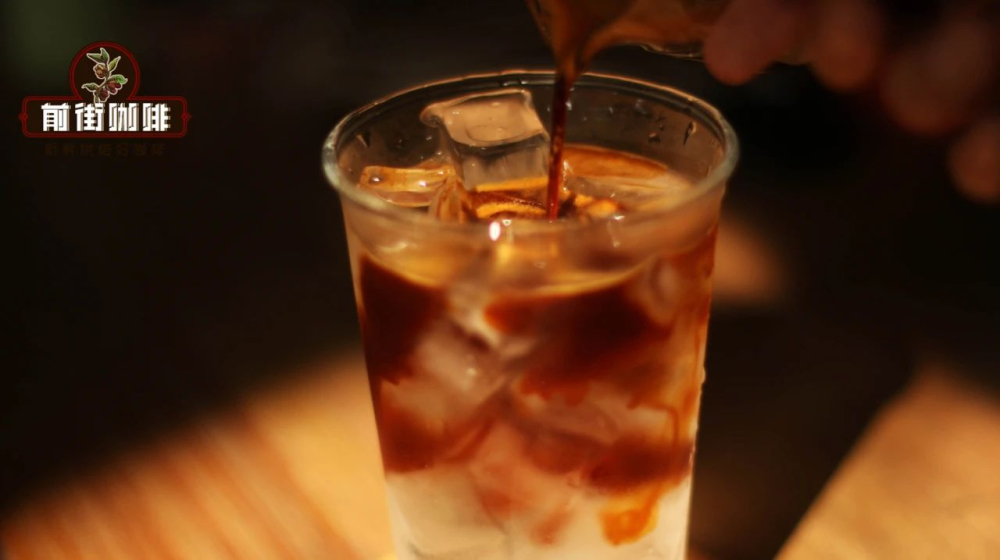
The Mozart SOE iced Americano made this way is very refreshing on entry, with elegant sweet aromas of raisins, osmanthus, and berries, and almost no bitterness. As the ice gradually dilutes it, the coffee becomes cool and pleasant, a must-have treat for summer.
The above content is compiled by CoffeeHunters, a coffee news website.


