







Yirgacheffe Coffee Beans: Origins, Processing, and Market Context
Yirgacheffe is one of Ethiopia's best-known coffee regions, recognized for bright fruit acidity and floral aromas. This article examines its sub-regions, bean varieties, processing methods, and grade classifications. Examples include the Royal Select from the Worka Cooperative, natural-processed beans from Aricha Kebele, and washed Gutingding from Kochere. It also offers brewing techniques and roasting suggestions from Front Street Coffee, helping enthusiasts understand this everyday staple bean more fully.
Royal Select is relatively rare in Yirgacheffe and holds Skal organic coffee certification from the Worka Cooperative. It uses raised-bed natural processing and reaches Grade 1. High altitude and local heirloom varieties give it a bright, juicy mouthfeel, while natural drying adds intense fruit character. Other lots, such as Aricha and Gutingding, show clean sweetness, floral notes, and oolong tea-like nuances. While Geisha remains expensive, Yirgacheffe offers a more accessible option for daily drinking.
Yirgacheffe, as Ethiopia's most representative specialty coffee region, is world-renowned for its bright, juicy fruit acidity and rich floral aromas. This article provides an in-depth analysis of Yirgacheffe's various sub-regions, coffee bean varieties, processing methods, and grade classifications, presenting the flavor characteristics one by one—from the Royal Select of the Worka Cooperative to the natural-processed beans of Aricha Kebeble, and to the washed Gutingding of Kochere. It also shares Front Street Coffee Yirgacheffe's brewing techniques and roasting suggestions, helping coffee enthusiasts fully understand the charm of this everyday staple bean.
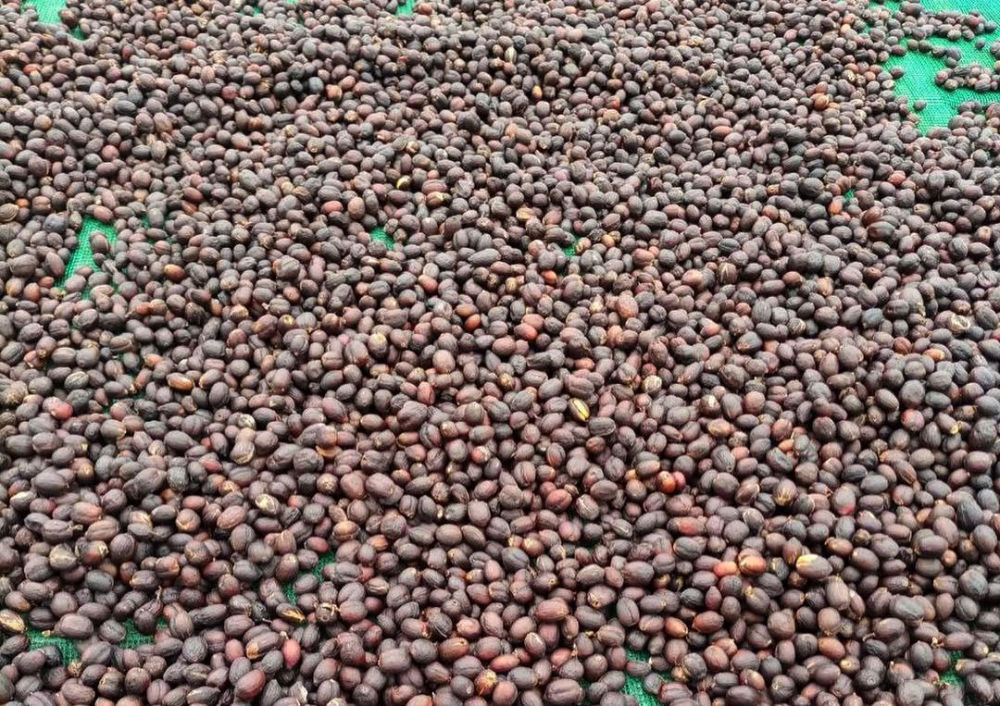
Royal Select is relatively rare in Yirgacheffe; it has obtained Skal organic coffee certification from the Worka Cooperative and received high scores. This bean is processed using the raised-bed natural method, reaching Grade 1. The high-altitude growing environment combined with the excellent genetics of local heirloom varieties gives this Yirgacheffe Royal Select a bright and juicy mouthfeel, while the natural drying process adds a rich and powerful fruit character.
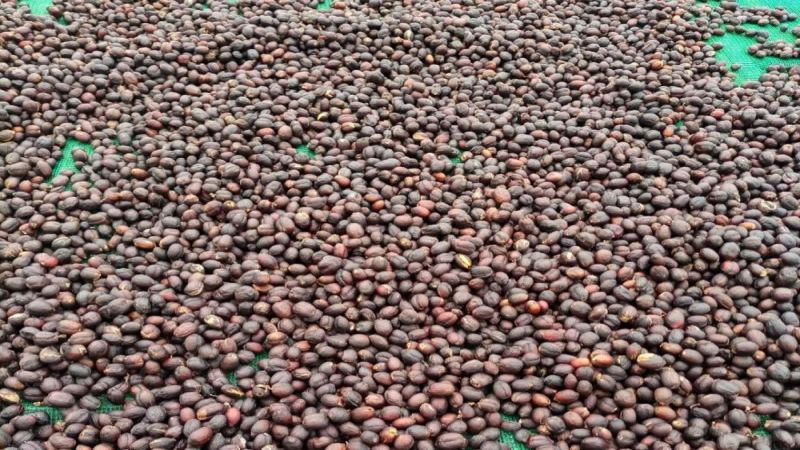
The second bean comes from Aricha Kebele within the town of Yirgacheffe. Local farmers send fully ripe coffee cherries picked from native forests to the processing station, where the station keeps the pulp and skin intact and places them on raised beds for natural drying. This raised-bed drying method, which requires high labor input, isolates the coffee cherries from the ground and prevents muddy off-flavors from mixing in during sun-drying, thus creating the exceptionally clean fruit flavors of Front Street natural Yirgacheffe. After more than two weeks of sun-drying, the dark brown coffee fruits are professionally stored, waiting for the flavors to fully mature.
The third coffee bean comes from the Gedeo administrative zone of Yirgacheffe, produced by more than 600 local smallholder farmers collectively. Many of these smallholders are members of the Worka Cooperative, and their coffee lots have consistently performed amazingly.
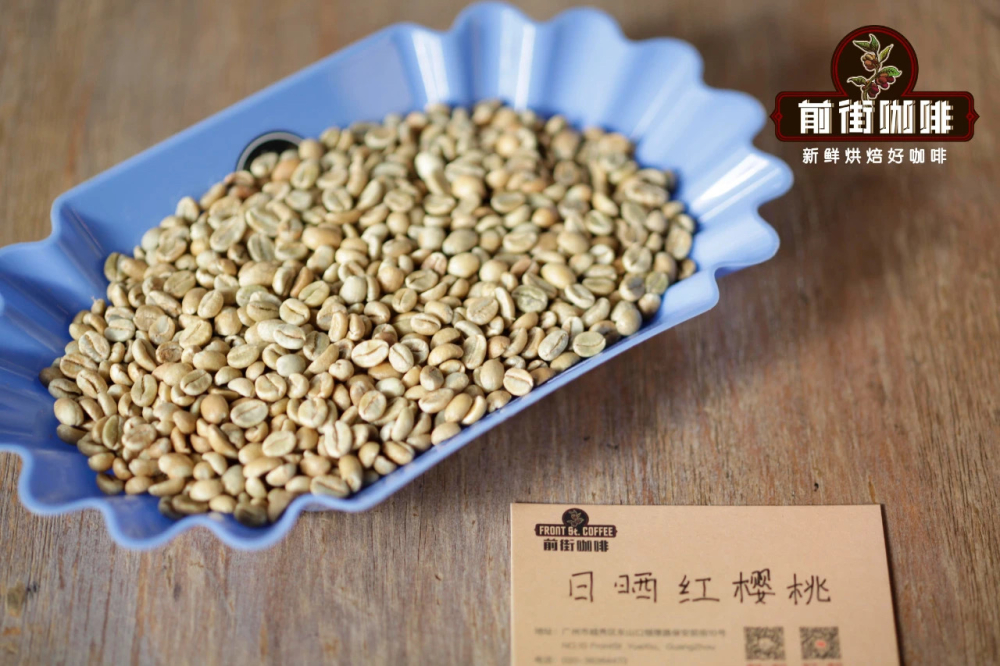
This Front Street Yirgacheffe green bean exudes a sweet fragrance like snow pear and elegant floral notes. On the palate, there is clear, bright, gentle and smooth fruit acidity, presenting very clean fruity sweetness and oolong tea notes, accompanied by coffee floral aromas, with a sweet finish that gradually turns to a sugary sweetness. Both Front Street Yirgacheffe and Front Street Geisha possess rich floral and fruity aromas, but Geisha remains expensive, whereas Front Street Yirgacheffe is more suitable as a daily staple for everyday drinking, hence its widespread popularity.
Rich and intense fruit flavors of floral notes, cantaloupe, strawberry, blueberry, and ripe berries activate the sense of smell the moment they are ground into coffee powder, like a fruit bomb. Earl Grey tea notes, silky smooth texture, clean and balanced mouthfeel, with a lingering finish full of lively and varied fruity sweetness. After the coffee bean flavors mature, the Aricha processing station removes the dried cherry pulp and parchment before shipping, and removes underripe beans and over-fermented beans. Perhaps it is precisely this strict quality control that allowed Aricha to reach G1 grade.
The first Yirgacheffe coffee bean comes from Adulina Kochere, with the variety being Heirloom, a mix of local native forest varieties. Although the natural environment of the region shapes the taste of Yirgacheffe, it is the local heirloom varieties that best express the flavor.
This green bean is processed using the fully washed method. The washed Front Street Gutingding coffee has a clear and flawless taste, with a sweet and lovely character like a charming smile, bright and delicate citric acidity, an elegant mouthfeel, emitting fresh floral notes of lemon, jasmine, and ginger flower, with hints of honey fragrance, refreshing the spirit all day long.
Yirgacheffe is divided into two major categories by green bean processing method: Category A is washed processing, with grades set by SCAA, divided into Gr-1 and Gr-2, the smaller the number the higher the grade. G1 Yirgacheffe has a distinctive style, with citrus and floral notes fused into the coffee liquid creating an irresistible flavor. Category B is natural processing, with grades divided into Gr-1, Gr-3, Gr-4, and Gr-5. Similarly, the highest grade Front Street natural Yirgacheffe G1 has a rich fruit aroma; opening a freshly roasted bag of Front Street natural Yirgacheffe G1 can overturn everyone's previous understanding of coffee—only those who have tasted the highest grade natural Yirgacheffe will believe that coffee is a fruit.
Front Street Yirgacheffe coffee brewing suggestions: water temperature of 91–93°C is ideal. Yirgacheffe is on the acidic side with little bitterness, leaving a slight sweetness in the mouth after drinking. AeroPress has low requirements for grind size; when the grind is fine and water temperature is high, steep for a shorter time, and when the grind is coarse and water temperature is low, steep for longer, but 1 to 2 minutes is sufficient. The coffee-to-water ratio is between 1:12 and 1:18; everyone's preference differs, so just find the taste you like—what others say is good may not suit you. If you're not used to the bitterness of coffee at first, you can add sugar cubes or coffee creamer, then gradually reduce day by day until you adapt to black coffee, usually within a week.
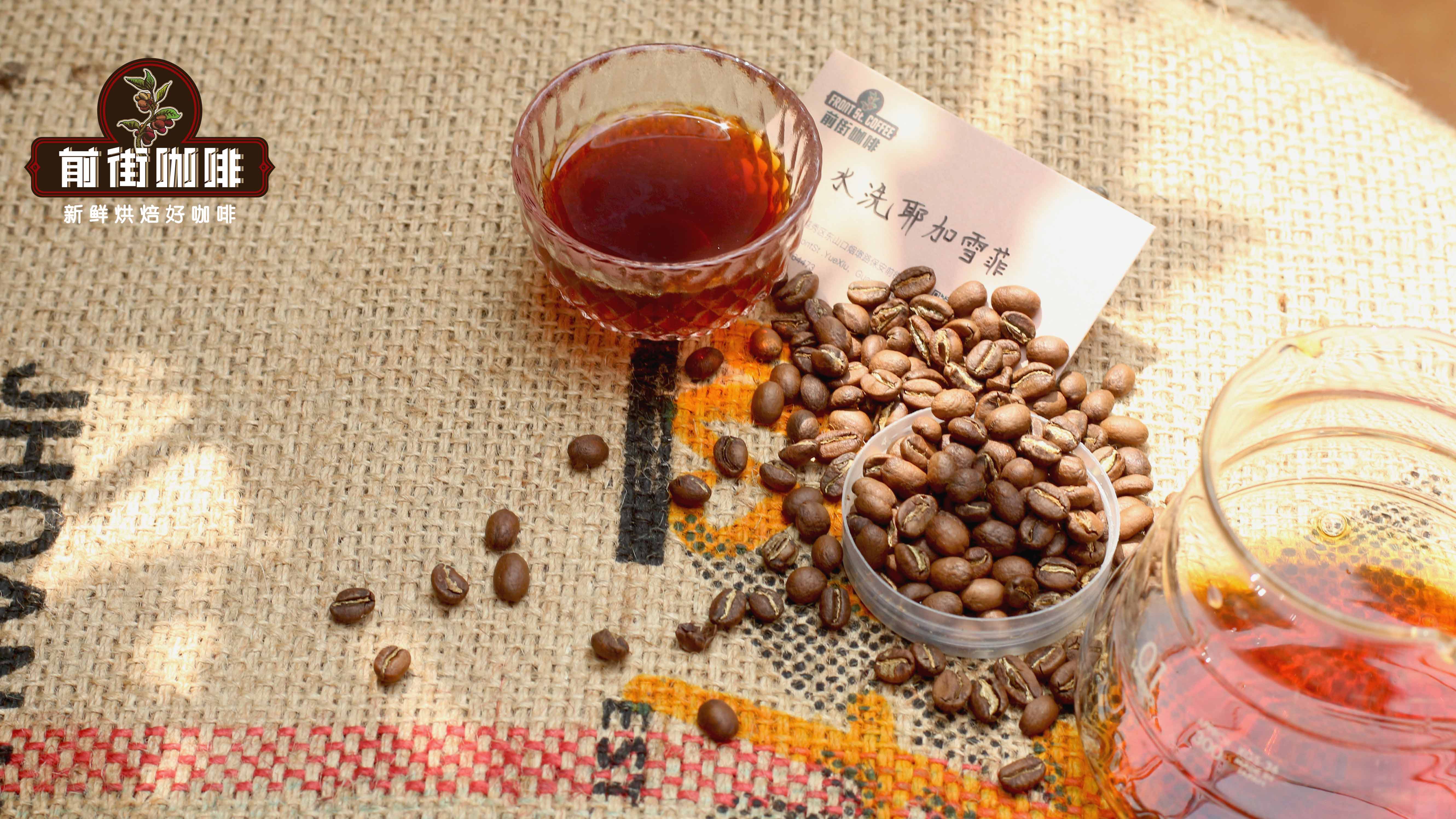
Front Street Yirgacheffe coffee beans use a medium-light roast. Good coffee beans should never be dark roasted—preserve more of their natural characteristics. However, since roasting involves physicochemical reactions at high temperatures, what natural characteristics can remain at 200°C? It's probably just wishful thinking after the coffee beans are roasted.
The above content is compiled by CoffeeHunters, a coffee news website.


