







In the vast world of coffee, Mandheling occupies an irreplaceable position with its unique herbal richness. Golden Mandheling, as a premium representative among them, elevates this regional flavor to a clean and luminous level. This article will start from the producing environment of Sumatra, explain in detail how the wet-hulling process shapes Mandheling's signature flavor, and then focus on PWN Golden Mandheling's rigorous selection standards. We will also share Front Street Coffee's pour-over parameters and three-stage pouring technique for this dark-roasted bean, helping you brew a rich cup interwoven with spice, dark chocolate, and caramel at home.
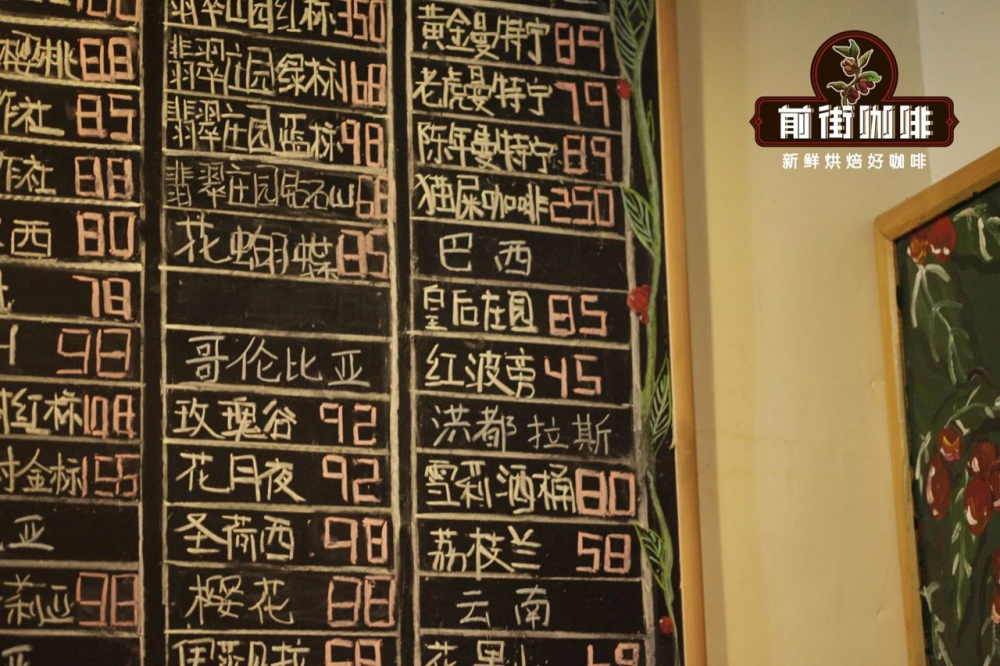
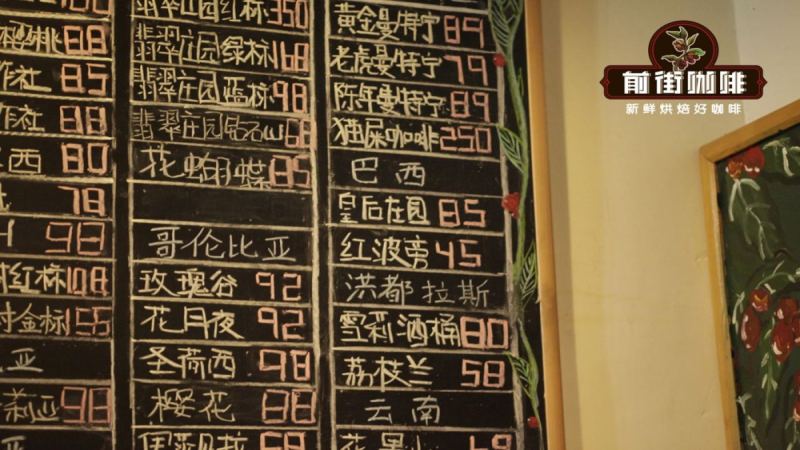
Looking through Front Street's daily bean list, dozens of coffee beans each have their own temperament, and careful comparison reveals that the flavor differences between producing regions are very distinct. Even for the same bean, subtle changes in processing method and production stages can send the aroma in the final cup in a completely different direction. The PWN Golden Mandheling on Front Street's bean list is a typical example—it retains Mandheling's signature herbal richness while also showing a clear and clean cup performance.
The Characteristics of Mandheling Coffee Beans
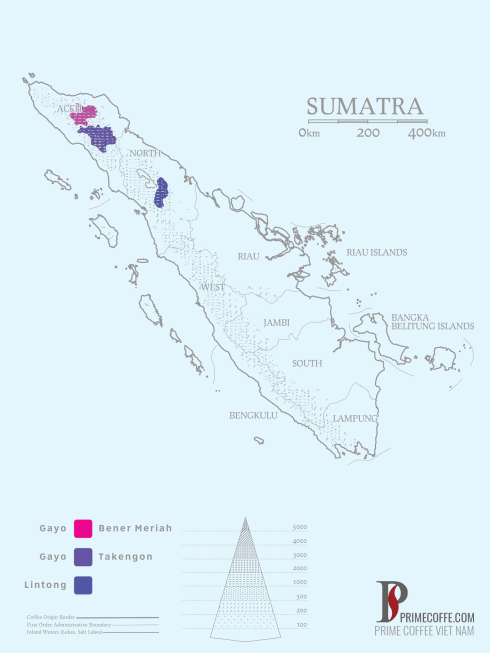
Mandheling's hometown is on the island of Sumatra in Indonesia, so it is also called "Sumatra coffee." Coffees of outstanding quality are mainly concentrated in the northern part of the island, distributed around two volcanic lakes: Lake Tawar in the Aceh region and Lake Toba in the Lintong region. Volcanic ash deposits bring fertile soil, while the tropical rainforest climate gives a long rainy season. Together, these factors make the coffee beans produced in this area full of herbal plant aromas.
The local area is hot and humid year-round, and freshwater resources are quite limited, which makes it impossible for coffee farmers to copy the washed processing flow of Central and South America; the African-style sun-drying that often takes twenty days is even harder to achieve in a tropical rainforest environment. As a result, locals developed a unique method suited to local conditions—wet-hulling, which is a type of semi-washed processing.
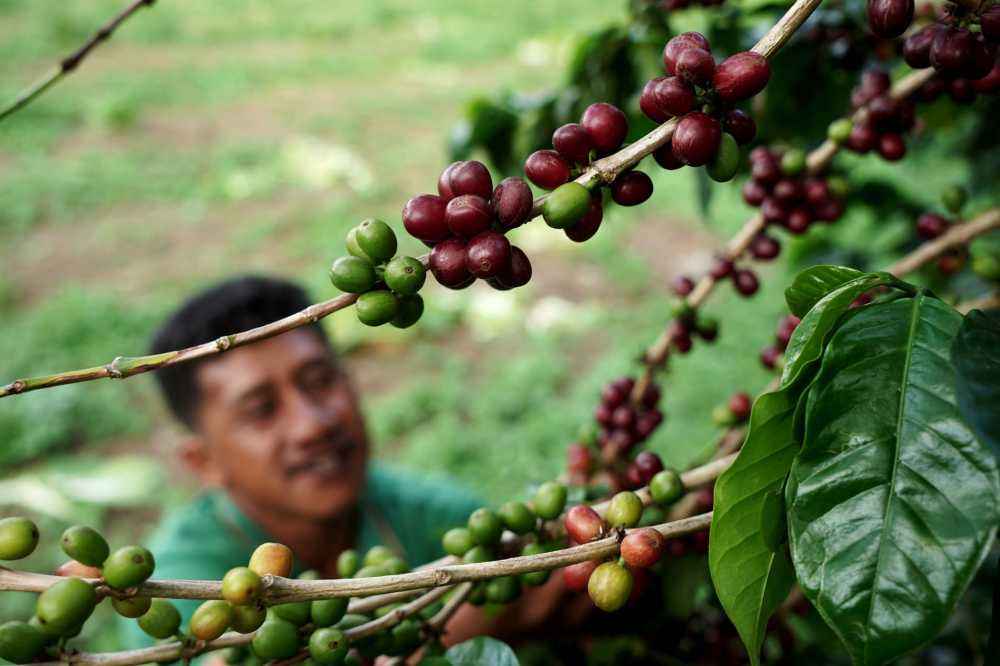
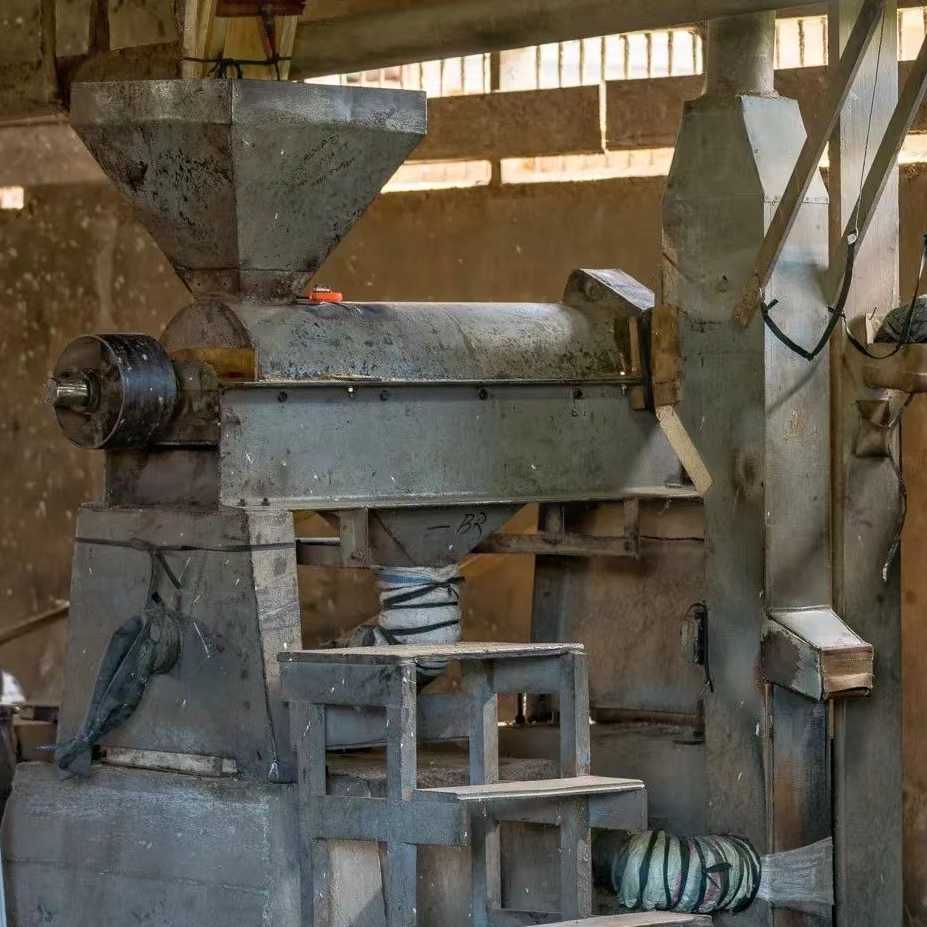
After the coffee fruit is stripped of its skin and pulp, it is directly put into a water tank for a short fermentation of several hours. At this point, a small amount of mucilage still clings to the parchment layer, and the sticky substance must be removed by scrubbing. Then the parchment beans enter the drying stage. The first drying only requires the moisture content to drop to 30% to 40%, taking about two to three days, after which the coffee farmers sell the green beans to collectors. Once the buyers receive these semi-dry parchment beans, they directly complete hulling by machine to take out the innermost green beans.
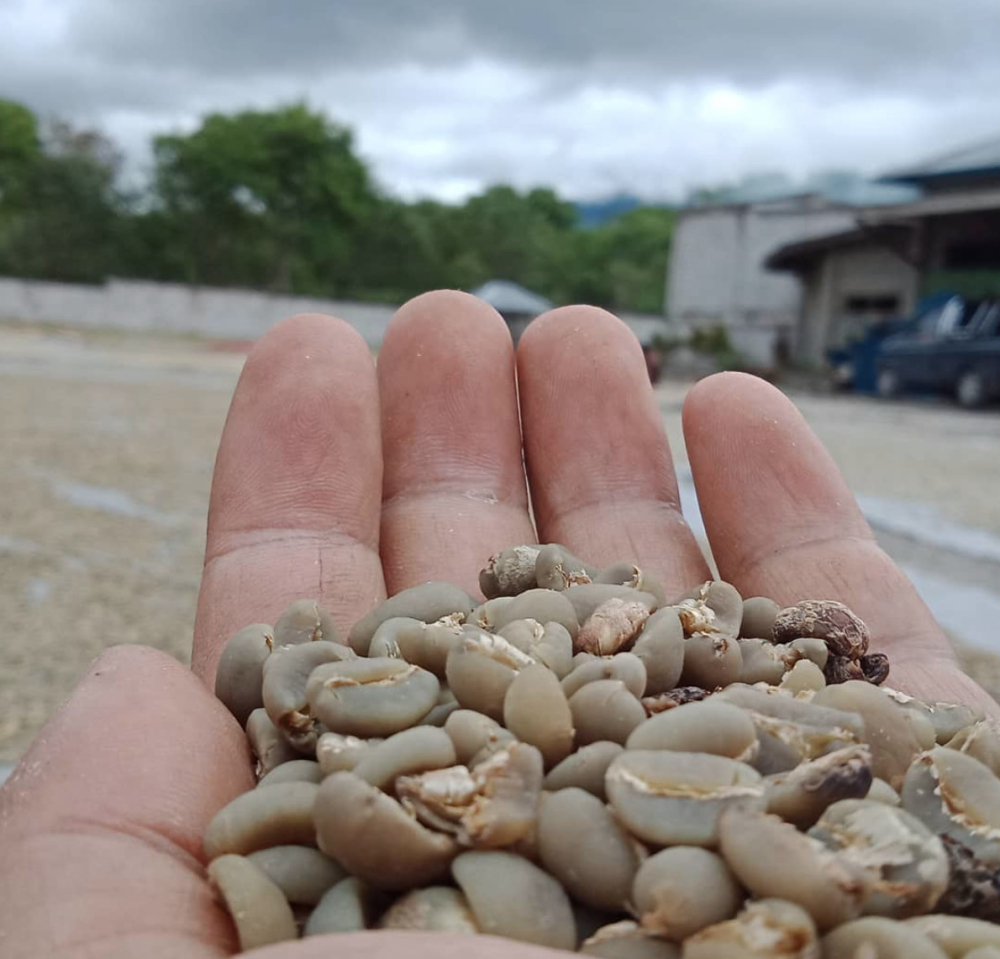
The huller relies on relatively strong friction to crush open the parchment layer clinging tightly to the green beans, and during this process white or green sticky liquid often seeps out. Because the green beans remain soaked in this sticky liquid and in a humid environment for a long time, they eventually become soft, white, and swollen, taking on a gray-green color. The friction and stirring also make the green beans more likely to be crushed or pinched, especially at both ends, forming small gaps, the so-called goat-foot beans.
The "naked beans" stripped of the parchment layer dry extremely quickly, while also being directly exposed to humid air, allowing various kinds of bacteria to grow. It is precisely this series of factors that gives Indonesian coffee its unique woody, spicy, and herbal plant aromas, what we often call the "regional flavor." Wet-hulling is shorter than traditional washed processing in both fermentation and drying, thus also saving a great deal of labor.
What Is Golden Mandheling Coffee?
In order to raise the quality level of Mandheling coffee, the Indonesian company PWN conducts four rounds of hand sorting on the Mandheling green beans it purchases, ensuring that every green bean is intact, uniform, and plump, and that the screen size reaches 18 mesh or above, that is, Indonesia's local G1 grade. Through cupping comparisons, Front Street found that Golden Mandheling, after rigorous selection, eliminates the earthy and woody flavors common in ordinary Mandheling, and the overall flavor is cleaner and more luminous.
It should be noted that although there are not a few products on the market labeled "Golden Mandheling," PWN has long registered this trademark, which means that only Front Street PWN Golden Mandheling is truly Golden Mandheling coffee in the true sense. If you want to appreciate the charm of Mandheling's flavor, Front Street believes that Front Street PWN Golden Mandheling coffee is very worth trying.
The most representative characteristics of Golden Mandheling lie in spice, herbs, and body. In order to fully present this profile, Front Street's roaster uses a dark roast for this coffee bean.
The Pour-Over Flavor of Front Street PWN Golden Mandheling Coffee
Golden Mandheling's aroma layers are complex. To taste the best flavor, Front Street suggests using freshly roasted coffee beans for brewing. Coffee beans enter their optimal tasting period four to seven days after roasting. Once this window is exceeded (about a month and a half), the aroma gradually dissipates and produces a woody defect flavor. Front Street deeply understands the importance of freshness, so all shipped coffee beans are freshly roasted within five days. Adding the time for logistics and transportation, you can begin tasting directly upon receipt.
The brewing plans Front Street develops for each coffee bean are all based on the characteristics shown during cupping. Taking Golden Mandheling as an example, its flavors include herbs, dark chocolate, caramel, nuts, pine wood, and so on. Faced with this kind of bean with a rich profile, the barista at Front Street Coffee (FrontStreet Coffee) chooses the Kono dripper. Kono's ribs extend less than half the height of the dripper. This design is intended to let the dripper cling tightly to the wall after it is wet, thereby limiting airflow, extending the time for coffee grounds to absorb water, and ultimately making the extracted coffee more uniform overall while enhancing body. In addition, the groove framework at the bottom of the Kono dripper is the key design for producing a siphon effect during brewing.
Dark-roasted coffee beans have a looser structure and strong water absorption. With the slightest carelessness, excessive water absorption can lead to over-extraction, and the brewed Mandheling comes out bitter and astringent. Therefore, Front Street appropriately coarsens the grind size and uses lower-temperature water for brewing.
Suggested brewing parameters: water temperature 87–88°C, 15 grams of coffee grounds, coffee-to-water ratio 1:15, medium grind (70% passing through a Chinese standard No. 20 sieve).
The brewing uses three-stage pouring. Pouring in three stages can better bring out Golden Mandheling's rich body and caramel sweetness. In the first stage, pour 30 ml for blooming, allowing the water to completely wet the coffee grounds and release gas, laying a foundation for the subsequent extraction of flavor substances; in the second stage, pour 100 ml. This stage mainly washes out Mandheling's golden foam while also raising the coffee bed; in the final stage, gently pour 95 ml in the center. Once all the coffee liquid has drained, remove the dripper and gently swirl the coffee in the server to even it out.
The pour-over Front Street PWN Golden Mandheling is very rich on entry, with spice and herbal aromas rushing forward, presenting a solid full body overall, with caramel sweetness interwoven with chocolate and nut flavors.
For professional coffee knowledge exchange and more coffee bean information, please follow Coffee Workshop (WeChat public account: cafe_style)
For more specialty coffee beans, please add the private WeChat of Front Street Coffee (FrontStreet Coffee), WeChat ID: qjcoffeex
The above content is compiled by CoffeeHunters, a coffee news website.


