







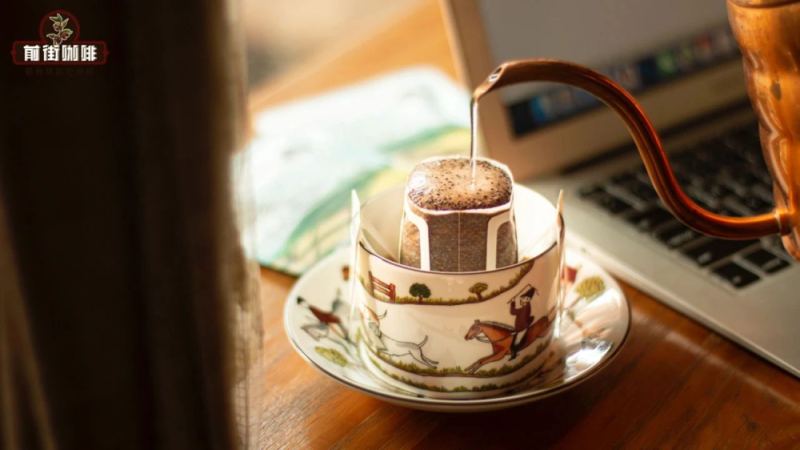
How to Make Coffee from Powder with a Drip Bag
A drip bag brews once only. It works like a simplified pour-over: hot water extracts soluble substances, and a second pass pulls out little besides bitterness and thin, hollow flavor. The practical method is to warm the cup, hang the bag on the rim, pre-wet the grounds, then pour in stages at 90 to 92°C.
Ratio matters as much as the steps. A standard 10g drip bag is brewed at about 1:15, yielding roughly 150g of coffee liquid. More water makes the cup taste thin; less makes it strong and can add bitterness. Beans are ground and sealed into filter bags in fixed portions, and the two opened sides rest on the cup rim like ears, which is where the name comes from.
Drip bag coffee has become the daily go-to for many coffee lovers thanks to its convenient brewing method and flavor profile that comes close to pour-over. But many people still have questions about the brewing details: how many times can one drip bag actually be brewed? How should water temperature and the coffee-to-water ratio be controlled? This article starts from the structural principles of drip bag coffee, explains why it can only be extracted once, and breaks down the four key steps: warming the cup, hanging the bag, pre-wetting, and pouring. It also combines the flavor characteristics of three Front Street Coffee drip bags — Washed Yirgacheffe, Wet-Hulled Mandheling, and Sun-Dried Huakui — to help drinkers with different taste preferences find the right choice, so that every drip bag consistently delivers an ideal cup.
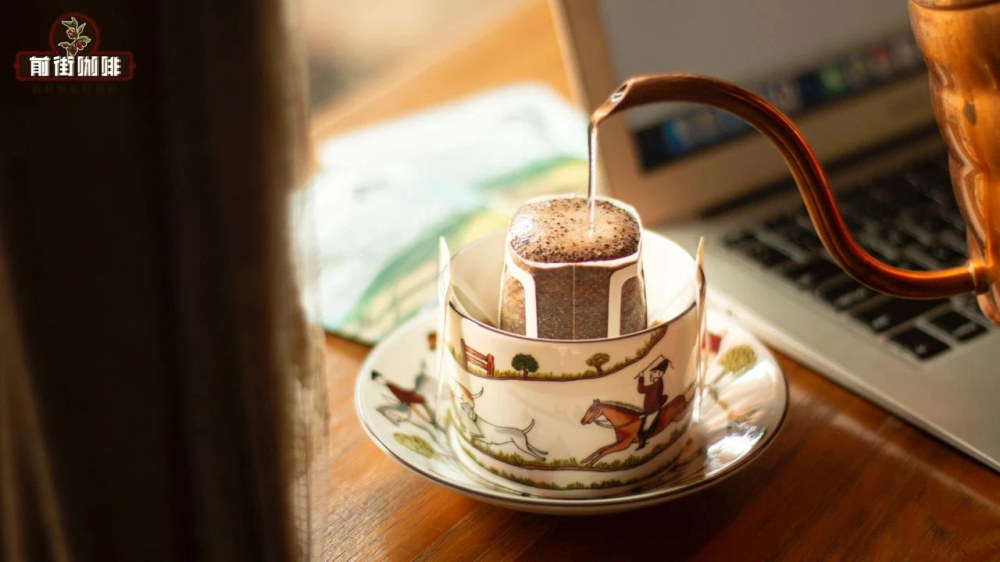
Drip bag coffee looks similar to a filter bag. During production, coffee beans are first ground into powder, then filled into special filter bags in fixed portions and sealed. It is called "drip bag" because when the two sides of the filter bag are opened, they form two support structures that rest on the rim of the cup like two ears, hence the name.
Drip bag coffee offers quite a rich variety of flavors, which can be chosen according to personal preference:
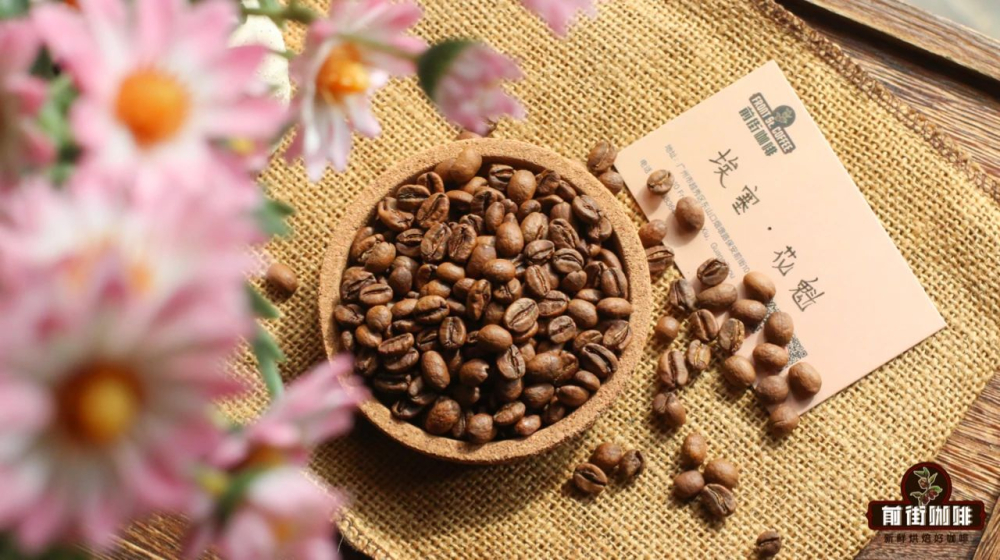
The Front Street Coffee Washed Yirgacheffe drip bag has floral, honey, and citrus notes, making it relatively friendly to those new to coffee; if you prefer a non-acidic style, the Front Street Coffee Wet-Hulled Mandheling drip bag is a good choice, with a mellow entry, solid flavor, and lasting finish; if neither of the first two suits your taste, you might try the Front Street Coffee Sun-Dried Huakui drip bag, which brews with a creamy strawberry-like sweet-and-sour quality, overall fresh and refreshing.
A drip bag can be understood as a simplified form of pour-over coffee; hot water likewise extracts soluble substances, so one drip bag is only suitable for one extraction. At the same time, ratio control is also crucial: too much water makes the flavor thin, while too little water makes it too strong and can even produce bitterness.
How to brew drip bag coffee bags? One Front Street Coffee drip bag (10g) A pot of hot water at 90-92°C (boiled water left to cool for 2 minutes) A tall cup Coffee-to-water ratio 1:15 (brew 150g of coffee liquid from a 10g drip bag)
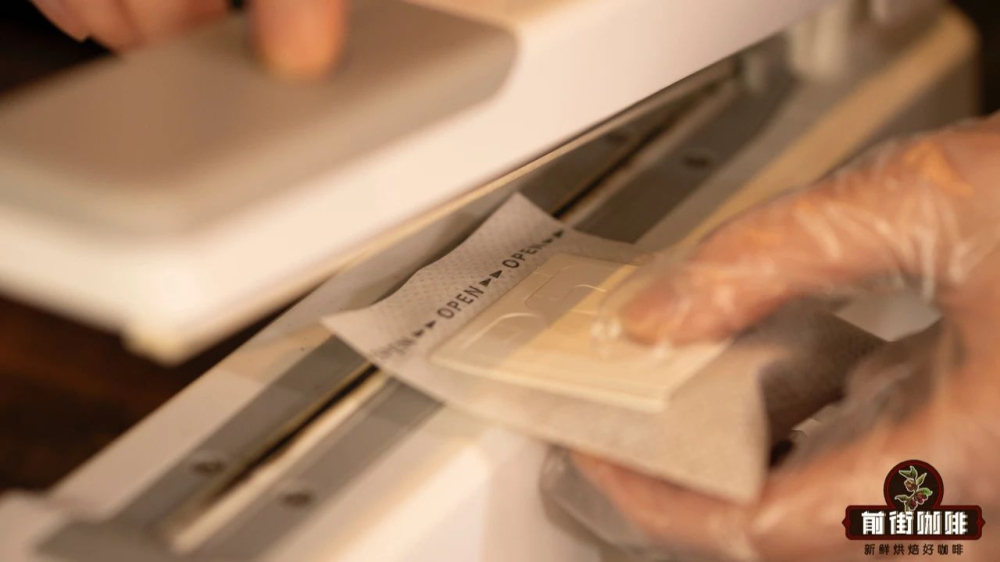
Warm the cup: First pour some hot water into the cup to preheat it. The purpose is to prevent the brewed coffee from cooling too quickly, because the flavor keeps changing as the temperature drops, and cooling too fast will cause you to miss many layers. Hang it up: Gently shake the drip bag to let the coffee grounds settle back to the bottom, preventing powder from spilling out when you tear it open. Pour out the hot water in the cup, tear off the seal, spread the paper ears on both sides outward, shake the coffee grounds flat, then place it on the rim of the cup.
Pre-wetting: The first pour only needs to just wet the coffee grounds — too much or too little will interfere with the flavor. Then let it sit for 20 seconds so the grounds fully absorb water. The strength of the coffee can be adjusted through the pre-wetting time; extending it to 40 seconds yields a stronger cup.
Pouring: For the second pour, fill to about eight-tenths of the filter paper. Keep the stream as thin and long as possible. After the liquid level drops to the height it was at during pre-wetting, continue adding water to eight-tenths full until the total extraction reaches 150 to 180cc. After extraction is complete, there is no need to wait for all the water in the filter paper to drip through — simply discard it.
The above content is compiled by CoffeeHunters, a coffee news website.


