







Why Is Mandheling Coffee So Bitter, and How Does Processing Shape It?
Mandheling's bitterness comes largely from its coffee bean processing. The wet-hulling method used in North Sumatra removes the parchment while the bean is still wet, producing a heavy body, low acidity and a strong herbal spice aroma. A high-quality lot still finishes sweet and smooth, so bitterness is only one part of the profile.
Mandheling is Arabica, named for the Mandailing region near the Bukit Barisan mountains, and refers to Typica and other varietals grown around Lake Toba. How does coffee beans grow and how the green beans are handled both matter: green bean quality, roast interpretation, freshness and extraction parameters decide whether the cup tastes balanced or harsh.
Many coffee lovers, upon their first taste of Mandheling, are struck by its intense herbal spice aroma and heavy body, and may even blurt out: why is Mandheling coffee so bitter? In fact, bitterness is only one side of it—a high-quality Mandheling often comes with excellent sweetness in the finish and a full, smooth mouthfeel. Whether a Mandheling tastes good depends on the quality of the green beans, the roaster's interpretation, the freshness of the beans, and the matching of extraction parameters. This article will walk you through the origins of Mandheling coffee beans, the unique wet-hulled processing method, and the flavor performance of two representative Mandheling coffees from Front Street Coffee, helping you gain a more comprehensive understanding of this steady and charming coffee.
"Why is Mandheling coffee so bitter!" Many friends who are new to Mandheling are shocked by its distinctive herbal spice aroma and intense flavor. Yet this is exactly what makes it so appealing!
Despite its prominent bitterness, a high-quality Mandheling delivers an excellent sweet aftertaste with a smooth, full body. Many people who have fallen in love with Mandheling initially found it unpleasant, but one day they suddenly find themselves missing that steady feeling, and then... they're hooked!
Whether a Mandheling coffee tastes good is inextricably linked to the quality of the green beans themselves, the roaster's interpretation, whether the coffee beans are freshly roasted, and whether the extraction parameters are suitable.
What Are Mandheling Coffee Beans?
Mandheling coffee belongs to the Arabica species and originated in the Mandailing region near the Bukit Barisan mountains of North Sumatra. What we now call Mandheling refers to Typica or other varietals grown in the mountains around Lake Toba. Due to differences in regions and green bean traders, these names are used to distinguish Mandheling from different origins.
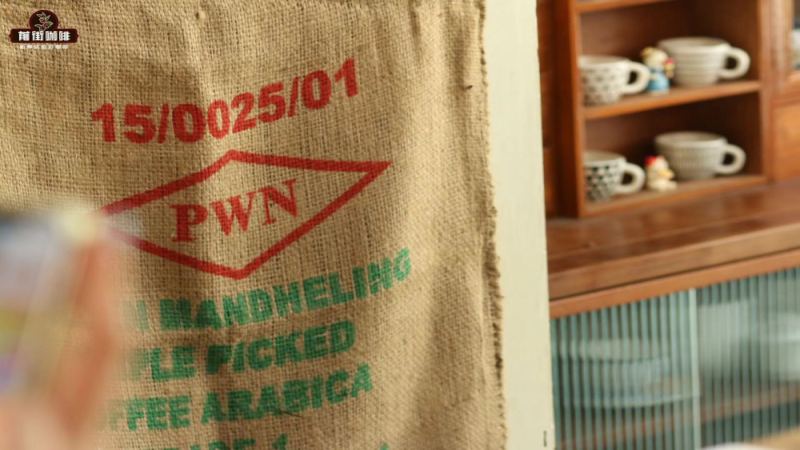
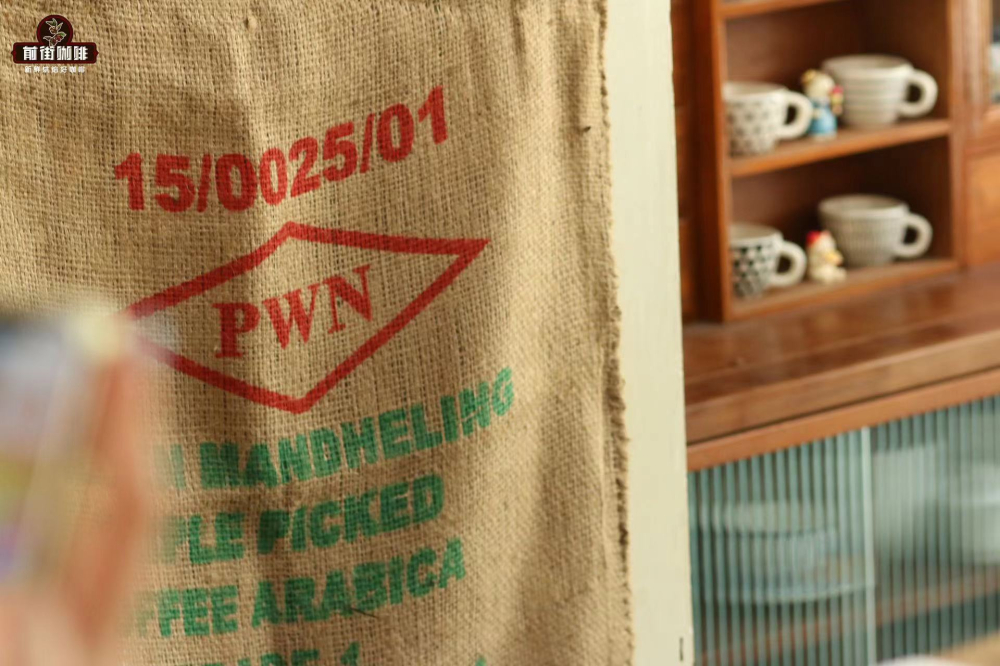
Front Street Coffee has previously sourced four single-origin Mandheling coffees: Lintong Mandheling, Aged Mandheling, Aceh Sumatra Tiger Mandheling, and Front Street PWN Golden Mandheling. Currently, two are available for purchase on the Front Street Coffee Tmall store: "Front Street Indonesian Mandheling" and "Front Street PWN Golden Mandheling."
Mandheling Coffee Bean Processing Method
Mandheling's uniqueness is inseparable from its processing method—wet hulling. This method emerged because Indonesia's year-round humidity ranges between 70% and 90%, with heavy annual rainfall. In pursuit of greater economic returns, Indonesian farmers developed the Giling Basah (wet-hulled) processing method.
After harvesting and sorting, the coffee cherries have their skin removed, then are placed in a tank with clean water to ferment for 24 to 36 hours to remove some of the mucilage. The wet green beans are evenly spread out to dry until they reach a semi-dry, semi-wet state, after which the parchment layer is removed, leaving the green beans fully exposed for sun drying. When the moisture content of the green beans drops to 10% to 12%, they are appropriately bagged for storage.
The wet-hulling process is faster than other processing methods, but this method makes the beans more prone to being crushed, forming small chips and creating a shape like a sheep's hoof, commonly known as sheep hoof beans. This bean shape has also become another characteristic feature of Mandheling coffee beans.
Mandheling Coffee Flavor Characteristics
Many Indonesian commercial coffee beans have a downside: their varietals are mixed with Robusta genes, resulting in a rougher, less pleasant flavor. Mandheling, however, is mainly a hybrid variety based on Arabica genes, and combined with Indonesia's customary unique processing method—wet hulling—the coffee takes on a distinctly deep, brooding character. After medium-dark roasting, it expresses mellow flavors of herbs, spices, and cocoa, leaving a lasting impression of low acidity and high body—these distinctive descriptors are precisely the regional flavors of Sumatra.
1. Entry-Level Mandheling: Front Street Indonesian Mandheling G1 Coffee
The Lintong Mandheling everyday drinking bean belongs to Indonesia's highest grade, G1. The medium-dark roast highlights its rich nutty character, with a hint of melon aroma in the finish. As the temperature drops, herbal flavors emerge. The body is mellow and the aroma is saturated. It works well for pour-over, moka pot, espresso SOE, and drip bags—ideal for beginners trying Mandheling coffee for the first time.
2. Premium-Level Mandheling: Front Street PWN Golden Mandheling Coffee
Front Street Golden Mandheling comes from Mount Gayo in Aceh, Sumatra, grown at an altitude of 1,100–1,600 meters. The coffee variety is Ateng, processed using the wet-hulled method. Its flavor profile includes: spices, herbs, caramel, pine, nuts, and chocolate.
What sets Front Street Golden Mandheling apart from other Mandheling coffees is that the green beans undergo G1 selection and are hand-sorted three times, which is why the Golden Mandheling beans appear very uniform in size. The Golden Mandheling specification is 18 screen or above, with fewer than 3 defective beans (per 300g green bean sample), belonging to the highest G1 grade. The color tends toward dark green, and the shape is a neat flat bean. After rigorous screening, Golden Mandheling not only loses the earthy off-flavors typical of ordinary Mandheling, but also tastes cleaner and more transparent, with a more intense sweetness.
The above content is compiled by CoffeeHunters, a coffee news website.


