SOE, a term frequently seen in coffee shops in recent years—what exactly is SOE? And when you suddenly crave one, how can you make a satisfying cup of SOE?
What is SOE?
SOE stands for "Single Origin Espresso." This concept exists in contrast to blended espresso. Put simply, SOE is a general term for espresso made from roasted beans of a single origin. It doesn't prescribe the green bean variety, roasting information, or extraction method, nor does it indicate anything about the quality of the coffee beans. Espresso extraction is merely one method of extraction—it doesn't guarantee a great taste!
Because espresso amplifies the flavors in coffee—whether good or bad—and single origin coffee comes from one source, its flaws tend to be amplified as well. Factors like roasting and grind size all affect the flavor, so making a delicious SOE requires a certain level of skill in every aspect. In this regard, blended coffee beans tend to deliver more consistent results.
Now that coffee bean quality has generally improved, more and more coffee shops are using SOE beans as a selling point. To let customers taste the difference between SOE and regular blended coffee, the beans must not only be good but also roasted lighter, so the cup no longer tastes burnt and bitter but instead has some brightness and sweetness.
Does light-roasted SOE taste sharply sour?
There used to be many claims that light-roasted beans aren't suitable for espresso—that they turn out sharply sour and unpleasant. Indeed, espresso made from light-roasted beans is more sour than that from dark-roasted beans; this is inherent to the roast level. Another factor is that espresso extraction recipes tend to be fixed. In pour-over, brewing parameters are differentiated for light and dark roasts, but in espresso, people still extract based on commonly used recipes, so sharp sourness is only reasonable. To extract an espresso with good flavor, you need a clear approach.
One thing many friends haven't figured out is what you're extracting this espresso for—drinking it straight, adding water, or adding milk. This affects the entire extraction plan. For example, if drinking straight, the espresso needs to be softer; if adding water, the espresso needs a more complete flavor profile; if adding milk, the espresso needs to be stronger.
(Then why don't dark-roasted beans need this kind of attention? Actually, they do—it's just that one set of parameters often works for all three types of drinks, so you don't need to come up with two or three extraction recipes. That's why it's said that medium-dark roasted beans are used for espresso—because it's less hassle.)
Start with the extraction formulaAs with dialing in grind size normally, use a standard formula: a 1:2 dose-to-yield ratio and a time of 25–30 seconds. The reason to start with this formula is mainly to establish a grind size—though you may still need to fine-tune it later, at least the grind won't be wildly off.(If you normally use medium-dark roasted espresso beans, then grinding light-roasted SOE will basically require adjusting to a finer setting. For example, the grind setting for Front Street Coffee's daily-use Warm Sun blend is 2.1, and with the same dose and time, the grind setting for light-roasted Kenya coffee is 1.6. Also, because roasting changes density, the same weight of light-roasted coffee grounds takes up slightly less volume than dark-roasted. So you also need to determine the final dose based on your portafilter basket's capacity.)
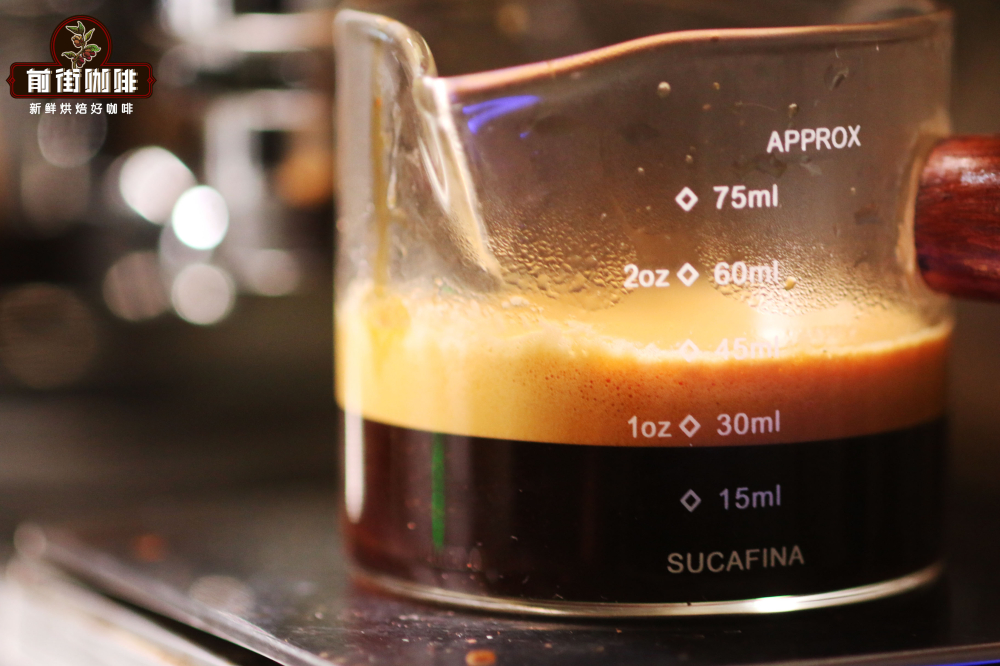
Adjust based on flavor and purposeIf the coffee extracted with the general formula has no major issues with grind or flow rate but has flavor problems, you need to address the root cause.
For example, the most common problem is that it's too sharply sour and the finish is too short. This is generally the easiest problem to solve. First, check whether the flow rate at this grind setting is reasonable—for instance, at what second the first drop of coffee appears. If it's at 4–5 seconds, you can grind a bit finer; if it's at 7–8 seconds, no adjustment is needed.
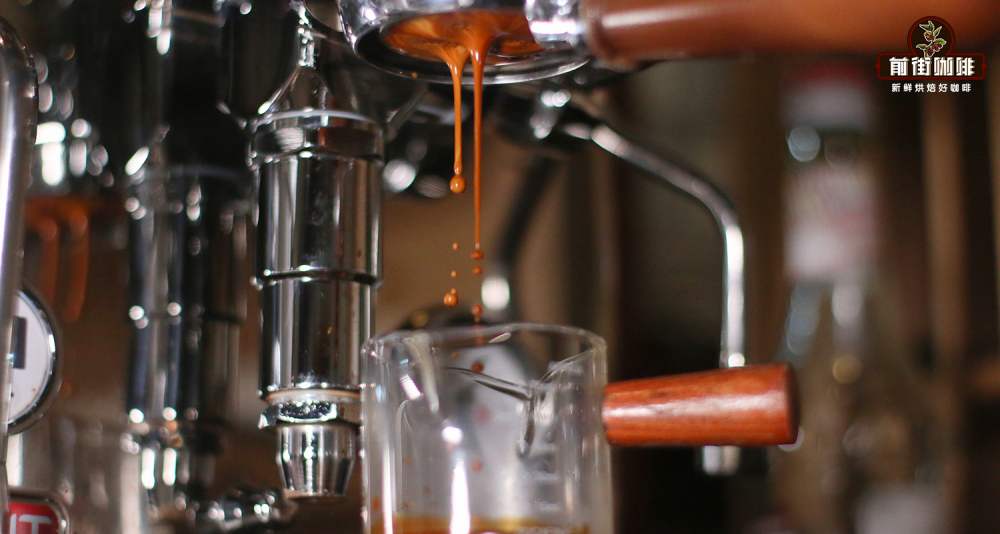 Next, extend the extraction yield, usually by 10–15g. The sharp sourness and short finish mainly come from a low extraction rate, so increasing the yield makes the espresso less harsh and gradually more balanced, highlighting sweetness. Of course, this method lowers the coffee's concentration, so it's generally suited for drinking straight or adding water to make an americano. For example, Front Street Coffee's extraction parameters for Kenya coffee beans are 20.6g in, 55g out, in 34 seconds—drinking it straight gives a soft berry sweetness, and as an americano it becomes full-bodied with a solid plum and tomato acidity.
For milk coffee, most people grind finer to compensate for the low extraction rate. Don't be boxed in by the formula's data for subsequent adjustments—even if the extraction time exceeds 30 seconds, it's fine as long as the milk coffee tastes good. This solves the problem of insufficient coffee flavor in SOE milk coffee. If the milk coffee tastes sour and astringent, you still need to extend the extraction yield to fix it.
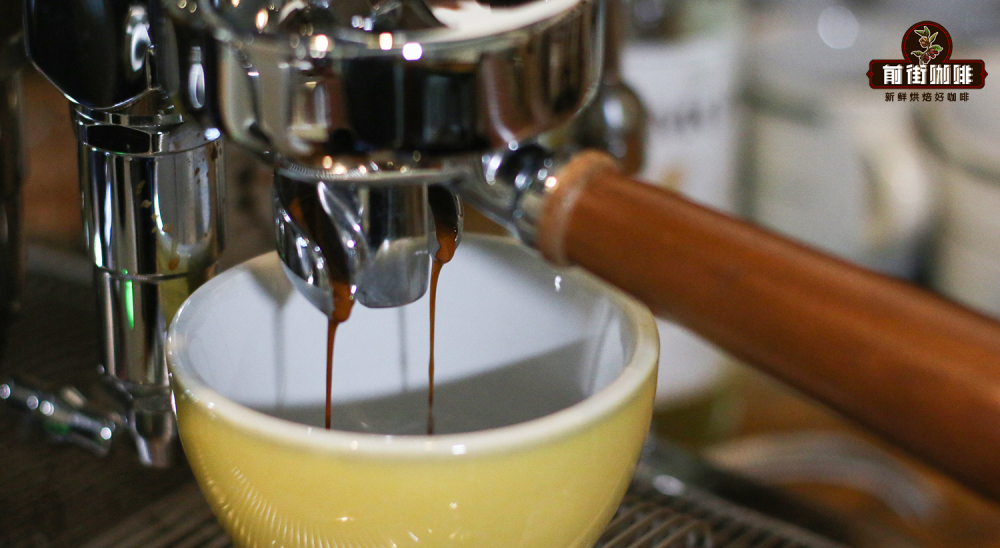
The second common problem is unpleasant flavors in the espresso extracted with the formula, such as grassy, almond, or burnt-bitter notes. It's best to use the "divide into three" method to identify where the problem lies. If the target yield is 40g, catch the beginning, middle, and end portions in three separate cups—about 13g each. Taste each cup to see which one has the unpleasant flavor. If only the final segment does, you just need to reduce the yield. If the first cup or all three have it, you need to adjust the grind size.
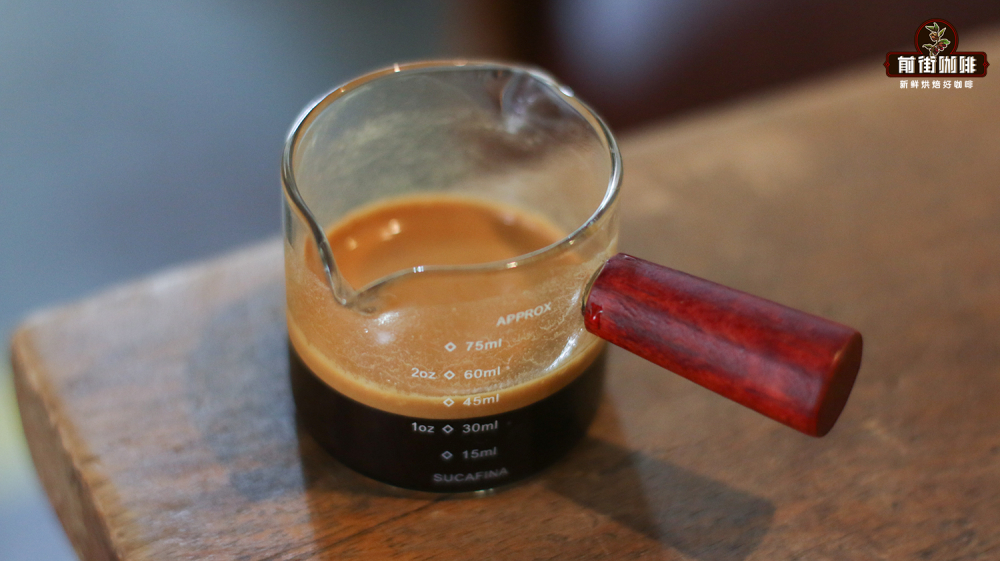
The third problem is that the espresso is too weak and flavorless. This is a problem many friends have reported to Front Street Coffee. Front Street has also identified some issues—most friends assume that the espresso grind setting is a fixed number, and once you've dialed in one bean, other beans can use the same setting. That's actually not the case. So if the espresso is too weak or thin, it's usually because the grind size is off. Of course, if you're comparing a light-roasted SOE bean to a traditional dark-roasted espresso bean for richness, it simply can't compete.
For professional coffee knowledge exchange and more coffee bean information, please follow Coffee Workshop (WeChat public account: cafe_style)
For more specialty coffee beans, please add the private WeChat of Front Street Coffee (FrontStreet Coffee), WeChat ID: qjcoffeex
The above content is compiled by CoffeeHunters, a coffee news website.