







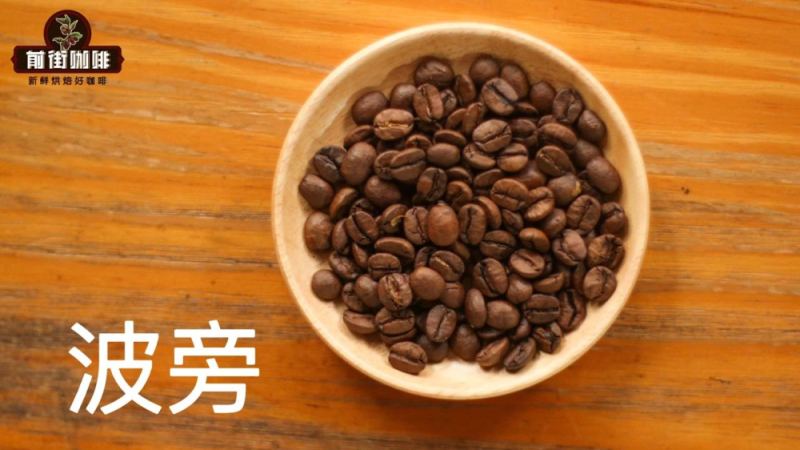
Bourbon is one of the important parent species of Arabica coffee, derived from Typica and widely cultivated in Central and South America. Among them, Yellow Bourbon is a unique yellow-fruited variety exclusive to São Paulo, Brazil. When ripe, it turns orange-yellow rather than red, with outstanding sweetness and aroma performance. The Brazil Queen's Estate coffee beans on the Front Street Coffee bean list are precisely made from the rare Yellow Bourbon, produced in the high-altitude areas of the Mogiana region. After sun-drying, they present sweet aromas of nuts, chocolate, cream, and sugarcane. This article will systematically introduce the origin and characteristics of the Bourbon variety, the genetic and flavor advantages of Yellow Bourbon, the meticulous sun-drying process of Queen's Estate, as well as Front Street Coffee's medium-dark roasting approach and pour-over extraction parameters for this bean, helping coffee enthusiasts gain a comprehensive understanding of this Brazilian specialty coffee.
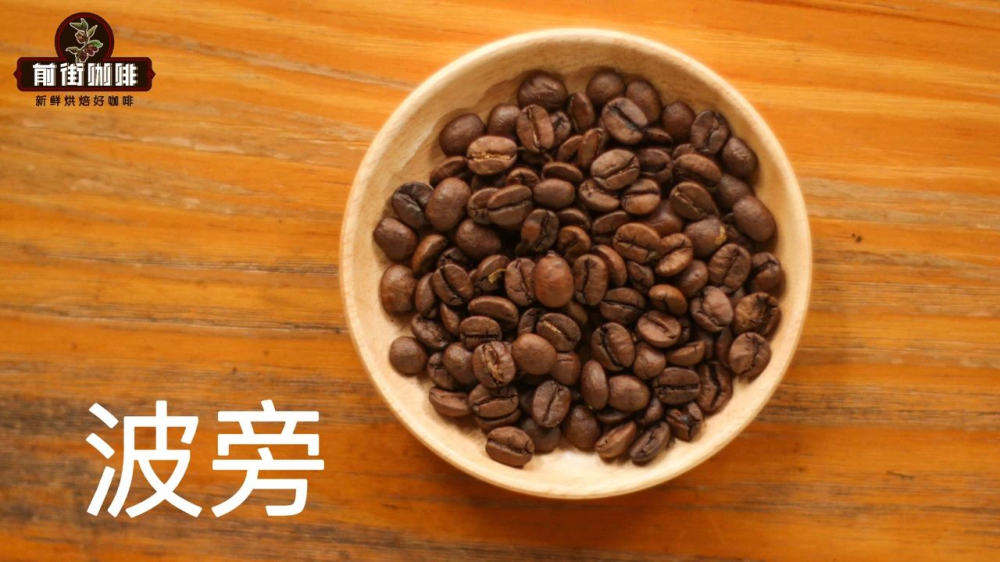
Bourbon Variety
Bourbon is derived from the ancient Typica variety, with round and plump beans. It was introduced to Brazil in 1927 and gradually spread to various countries in Central and South America. Although Bourbon's yield is not particularly high, compared to the delicate Typica, it has stronger resistance to leaf rust. Bourbon coffee grown at high altitudes has rich and delicate flavor layers, intense aroma, and soft, rounded acidity. The Bourbon fruit we typically see ripens from green gradually to slightly yellow, orange-yellow, red, and finally to fully ripe dark red—this is what we commonly call Red Bourbon. However, you may not know that there is another Bourbon in Brazil whose ripe fruit is orange-yellow—Yellow Bourbon, a Bourbon variant unique to São Paulo, Brazil.
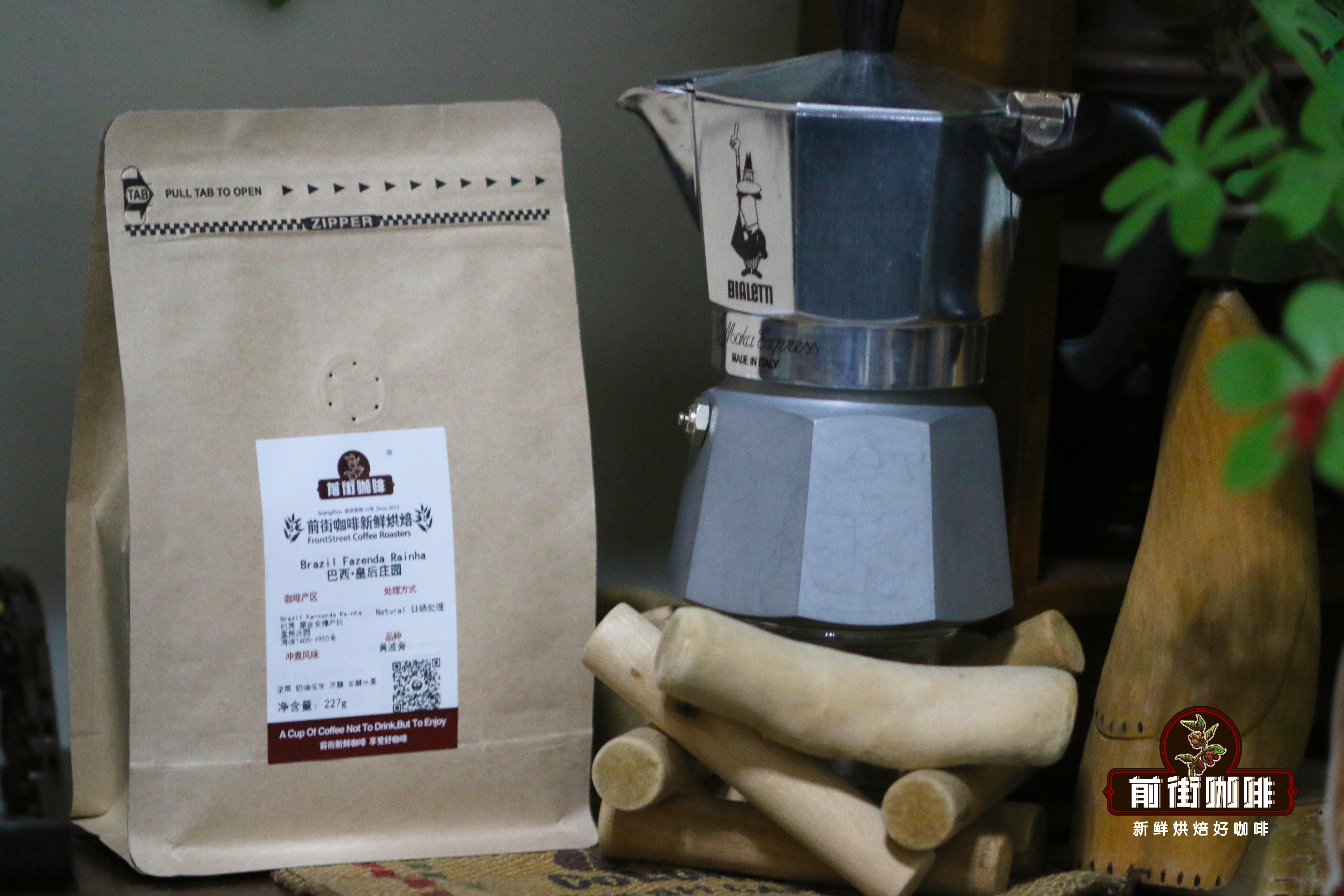
Yellow Bourbon (Bourbon Amarello), also written as Yellow Bourbon in English, is a yellow-skinned Bourbon variant specific to São Paulo, Brazil. Normally, coffee fruit turns red when ripe, but Yellow Bourbon does not turn red after ripening; instead, it presents an orange-yellow color, hence the name. Front Street Coffee's Brazil Yellow Bourbon displays a very elegant flavor in cupping, with sweetness, aroma, and acidity all relatively prominent. The Front Street Brazil Queen's Estate coffee beans on the Front Street bean list are precisely made from the rare Yellow Bourbon.
Front Street Coffee (FrontStreet Coffee): Brazil Queen's Estate Yellow Bourbon Coffee Beans
Region: Mogiana Region
Estate: Queen's Estate (Fazenda Rainha)
Altitude: 1400–1950m
Variety: Yellow Bourbon
Processing Method: Sun-Dried Processing
Flavor: Nuts, Chocolate, Cream, Peanuts, Sugarcane
After reviewing materials, Front Street Coffee learned that the foundation of the world's Arabica coffee varieties consists of Typica and Bourbon, along with their derived offspring. Bourbon is mainly popular in Central and South American countries and is one of Brazil's main varieties. The name Bourbon comes from Bourbon Island, which is Réunion Island off the east coast of Africa. In the seventeenth century, the island was a French territory named Bourbon Island, and it was not renamed until the late eighteenth century. In the eighteenth century, the French introduced round coffee beans from Yemen to Bourbon Island and began cultivating them. In 1860, Brazil brought round Bourbon back to the country for planting, and it subsequently spread to various Central and South American countries, becoming the oldest Latin American coffee parent species.
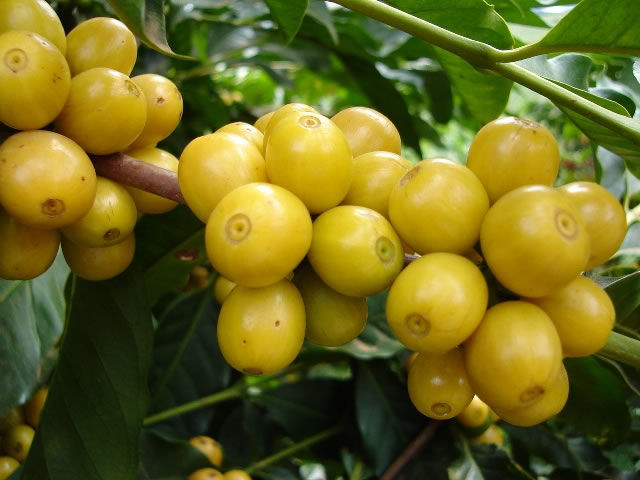
The fruit of the Bourbon variety is short and round, and the coffee beans have relatively high density. Bourbon grown in high-altitude environments has high sweetness and bright acidity. Like Typica, Bourbon is also an ancient and excellent variety, with better resistance to leaf rust than Typica and flavor that is no less impressive. Common Bourbon goes from flowering to fruit ripening, with the color gradually changing from green to slightly yellow, red, and finally fully ripe dark red, hence the name Red Bourbon. In addition, there are Bourbon varieties that do not turn red after ripening but instead turn a relatively rare yellow or pink—namely Yellow Bourbon and Pink Bourbon.
The "yellow" of Yellow Bourbon is determined by genetic selection of color genes. Yellow Bourbon grown in high-altitude areas contains a large amount of fructose, capable of presenting a sweet, juicy, and refined flavor, and has therefore repeatedly won top honors in Brazil's COE Cup of Excellence competition.
After harvesting ripe Yellow Bourbon coffee cherries, Queen's Estate uses sun-drying processing, allowing the coffee fruit to absorb more sweetness from the pulp during drying. Brazil is close to the equator, and the harvest season happens to fall during the dry season, making coffee fruit very suitable for direct dehydration and drying through sun exposure. However, the traditional "baking in the sun" method is very crude—after harvesting, the cherries are directly spread on mud ground to dry, and the resulting coffee easily carries an earthy taste; uneven heating can also produce negative over-fermented aromas. Queen's Estate first pours the coffee cherries into a water tank, removing underripe cherries through flotation, then places the coffee in small batches on African raised beds with better breathability, turning them irregularly, thereby avoiding earthy and over-fermented flavors, with sweetness reaching an even higher level than traditional sun-drying methods.
Because Yellow Bourbon coffee beans grown at high altitudes have relatively high density and high glucose content, Front Street Coffee's roasting approach is to highlight the classic rich aroma of Front Street Brazil coffee while also showcasing Bourbon's own sweetness. After multiple experiments and cupping comparisons, Front Street Brazil Queen's Estate Yellow Bourbon coffee beans adopt a medium-dark roast , giving them a rich nutty aroma along with a balanced mouthfeel. They are suitable for various extraction methods and can be made into moka pot coffee, Americano, siphon coffee, drip bag coffee, and more. Everyone can purchase them at Front Street's Tmall flagship store.
After medium roasting, the coffee's internal structure is largely changed, becoming porous, and when ground into coffee powder it has stronger water absorption. If the brewing parameters are not properly adjusted, the coffee will easily be over-extracted and bitter. To have enough aroma without over-extraction, it is necessary to reduce the extraction rate. Front Street Coffee uses a relatively low water temperature and a relatively coarse grind to reduce the release of bitter large molecules in the coffee. Combined with the use of a KONO dripper for extraction, the coffee's body and roundness are better.
Pour-over parameters: 87–88°C water temperature, KONO dripper, medium grind (70% passing rate on Chinese standard No. 20 sieve), coffee powder: 15 grams, powder-to-water ratio 1:15, three-stage pouring
Wet the coffee bed with twice the amount of water as the coffee powder, forming a dome and allowing it to bloom for 30s. Then, with a small stream of water, pour in circles from the inside out until reaching 125g, then pause. When the coffee bed drops to half the height of the dripper, continue pouring the third stage with the same fine water stream until 225g, until all the coffee liquid has filtered through, then remove the dripper. The time is about 2 minutes. Finally, swirl the coffee liquid in the pitcher to mix well and it is ready to enjoy~
The pour-over Front Street Brazil Queen's Estate Yellow Bourbon coffee presents aromas of dark chocolate, cream, peanuts, and nuts. On the palate, it is as refreshingly sweet as sugarcane, with a balanced mouthfeel, bright flavor, and a long-lasting finish in the mouth.
The above content is compiled by CoffeeHunters, a coffee news website.


