








Is Americano the same thing as black coffee?
Black coffee is a broad category, not a synonym for Americano. Any cup made only from water and coffee substances qualifies: espresso, ristretto, lungo, pour-over, siphon, cold brew and moka pot coffee all belong to the family. Americano, made by adding water to espresso, is one member of that group but not the whole of it.
The dividing line is ingredients. Once milk, syrup or fruit juice enters the cup, the drink leaves the black coffee category, which rules out lattes, mochas and au laits. For brewing at home, an American coffee pot or a moka pot both produce black coffee; the device changes strength and texture, not the definition.
On short-video platforms, many bloggers hold a drink that looks like an Americano but call it "black coffee," which leaves many coffee newcomers puzzled: are black coffee and Americano actually the same thing? In fact, black coffee is an extremely broad concept, and it is not equivalent to Americano. Espresso, pour-over, siphon, cold brew, and even moka pot coffee can all be classified as black coffee, as long as the ingredients consist solely of water and coffee substances. This article will list common members of the black coffee family one by one, clarify their relationship with Americano, and recommend suitable Front Street Coffee beans for different brewing devices.
Recently, while scrolling through short videos, I often come across the term "black coffee." Some bloggers hold drinks that look very much like Americanos, and beginners often ask in the comments: Is black coffee just Americano? What exactly is the difference between the two? Today, Front Street will walk you through what black coffee really is and how it relates to Americano.

The so-called "black coffee" is actually a very broad umbrella term, referring to coffee that has no flavoring ingredients added other than water. Once ingredients like milk, syrup, or fruit juice are added, the original taste of the coffee is altered, so milk- and sugar-containing drinks such as lattes, mochas, and au laits cannot be considered black coffee. In other words, as long as a cup of coffee contains nothing but coffee substances and water, it can be called black coffee.
For example, espresso extracted from an espresso machine consists of nothing but water and coffee substances, so it naturally belongs to the black coffee family. By the same logic, ristretto, lungo, and other members of the espresso system are all classified as black coffee because only water is used in their preparation.
Americano, on the other hand, is made by adding water to espresso. Adding water does not change the coffee's own flavor, so Americano also belongs to the black coffee category. However, one logical point needs to be clarified here: Americano can be black coffee, but black coffee is not necessarily Americano. Besides Americano, there are many other coffees made only with water and coffee, not limited to the espresso system. Now let Front Street take stock of what other common members belong to the black coffee family.
Pour-Over Coffee
As a quintessential representative of drip coffee, pour-over coffee, which is extracted entirely with hot water throughout the process, is undoubtedly a member of the black coffee family. Since the rise of the specialty coffee concept, people have become increasingly concerned with the flavor expression of the coffee itself, and pour-over happens to present these flavors better, which is why it has become popular worldwide.
The charm of pour-over lies not only in its outstanding flavor but also in its brewing process, which is both simple and full of variables—different beans, techniques, and parameters all bring completely different tastes, which is exactly why it stands out among many brewing methods. Even today, pour-over remains the first choice for many people. Precisely for this reason, choosing a good bag of beans is a key first step for pour-over beginners. Those new to pour-over can start with the jasmine-rich Front Street Gutingding Yirgacheffe, the nutty and creamy Front Street Cerrado, the dark-chocolate-sweet-finish Front Street Huila Colombia, the well-balanced Front Street Yunnan Small Bean, and the spicy and herbal Front Street Mandheling Indonesia.
Siphon Coffee
Before pour-over became popular, siphon pots could be seen in most cafes. This retro device is not only visually appealing but also produces coffee that is richer and fuller-bodied than pour-over. However, the siphon pot's status has now been replaced by pour-over, because pour-over makes it easier to brew good coffee, so very few coffee shops still focus on siphon pots.
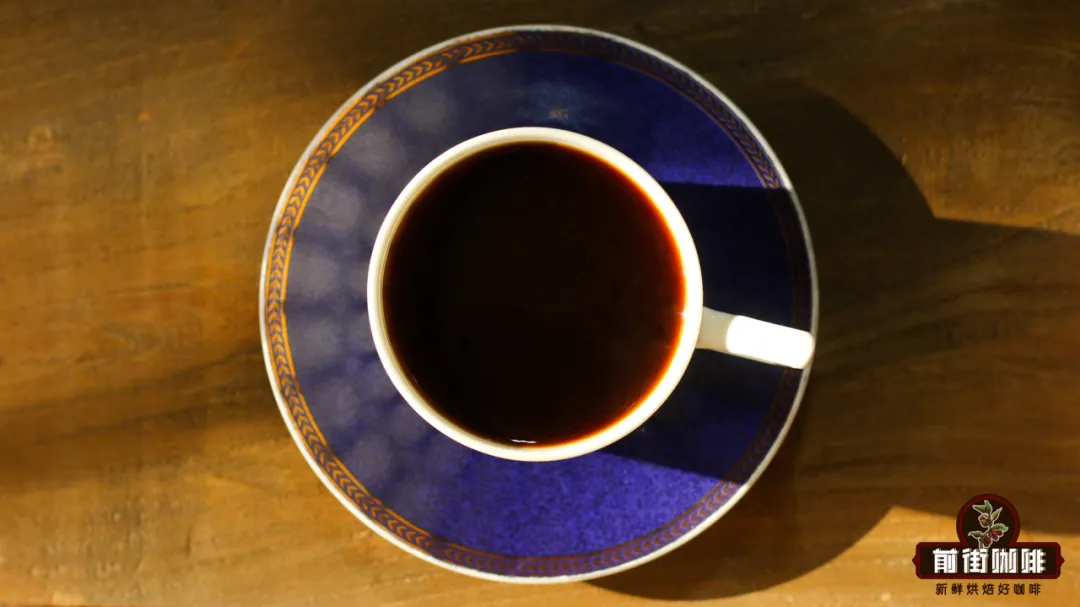
Siphon coffee uses only hot water to soak and extract coffee grounds, and the final product is not affected by other flavors, so it also belongs to the black coffee family. It highlights the coffee's roundness and body. For bean selection, the top choices are the berry-toned Front Street Little Tomato Kenya and the balanced sweet, sour, and bitter Front Street Blue Mountain No. 1.
Cold Brew Coffee
Cold brew coffee, ice drip coffee—these coffees extracted with cold water all belong to the cold brew family. Although their extraction time is much longer than conventional methods, their taste is likewise unaffected by external substances and can showcase the beans' own flavors, so of course they are also black coffee.
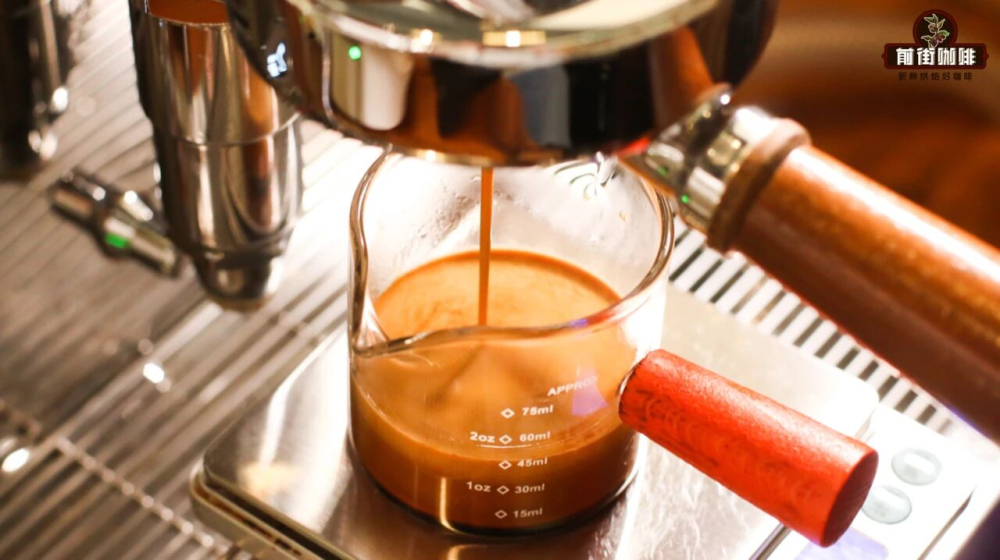
For cold brew, it is recommended to choose beans with a refreshing flavor profile. Front Street Huakui, Front Street Huahudie, Front Street Blackberry, and Front Street Mozart are recommended.
Moka Pot Coffee
The moka pot, like the espresso machine, originated in Italy and also extracts coffee by pressure. Although the moka pot's pressure cannot match an espresso machine, it can still produce rich coffee in a short time. Before any secondary processing, moka pot coffee is simply a cup of strong coffee with more water content, so it also counts as a member of the black coffee family.
The bean selection approach for a moka pot is the same as for an espresso machine—just prioritize medium-dark roasted blends:
For those who want to practice latte art at home, you can buy Front Street Classic Blend. This medium-dark roasted espresso recipe is composed of three origins, inspired by the popular "Mamba" of earlier years—that is, Mandheling plus Brazil. To increase aroma and crema, Front Street Classic Blend also adds a small amount of Robusta to boost flavor intensity, allowing beginners to easily extract espresso with golden crema at home.
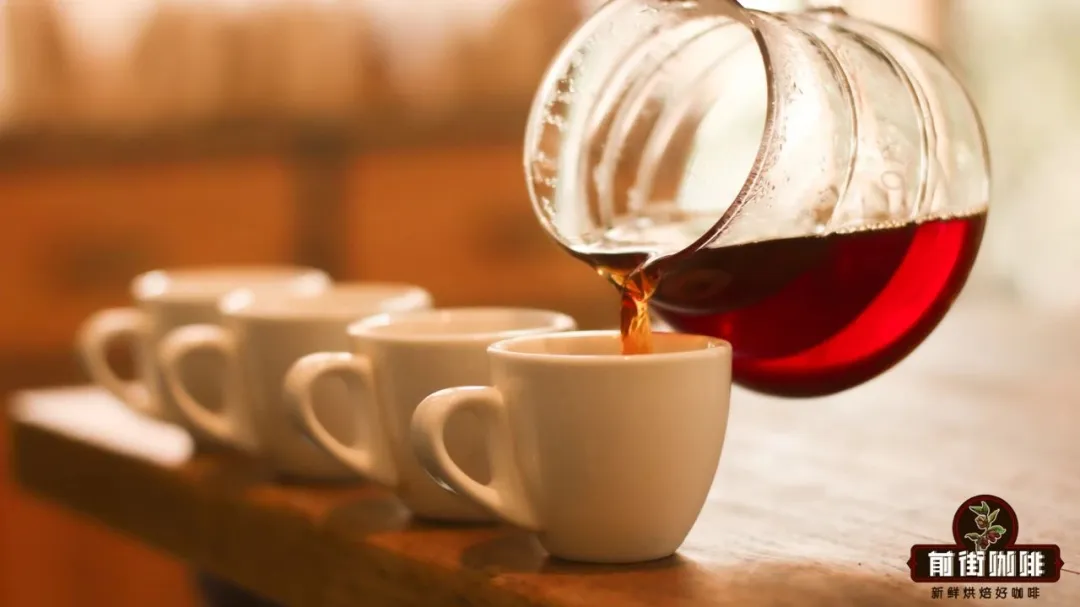
If you prefer complex nutty aromas like almonds, apricots, and walnuts, Front Street Specialty Blend and Front Street Dark Cocoa Basic Blend are recommended. Both contain a large proportion of Brazilian beans, bringing a pleasant bittersweet taste and a very smooth mouthfeel. Among them, Front Street Specialty Blend carries the nutty, chocolate, and caramel notes characteristic of Colombian beans, with moderate acidity; Front Street Dark Cocoa Basic Blend incorporates the ripe plum acidity of Yunnan Small Bean and, after grinding, releases cream chocolate aromas. It is balanced in taste and highly versatile—besides lattes, it can produce a variety of espresso drinks.
Overall, as long as a cup of coffee has only colorless and tasteless water added, with no ingredients that can alter the taste involved, it belongs to the black coffee family.
The above content is compiled by CoffeeHunters, a coffee news website.


