








Papua New Guinea is the largest island nation in the South Pacific, and its coffee is often confused with Indonesian Papua, but the two are completely different in terms of cultivation and processing. Papua New Guinea coffee is known for its bright, clean fruit acidity, creamy, dense mouthfeel, and sweetness, with a style closer to South American coffee. This article provides a detailed introduction to the country's coffee-growing regions and environment, cultivation models, unique triple-washed fermentation processing method, and the Sigri Bird of Paradise estate, famous for its Typica variety. The Bird of Paradise coffee beans recommended by Front Street Coffee bring nutty, cocoa, soft citrus acidity, and a caramel finish; using a Kono dripper during brewing better presents its rich, balanced flavor.
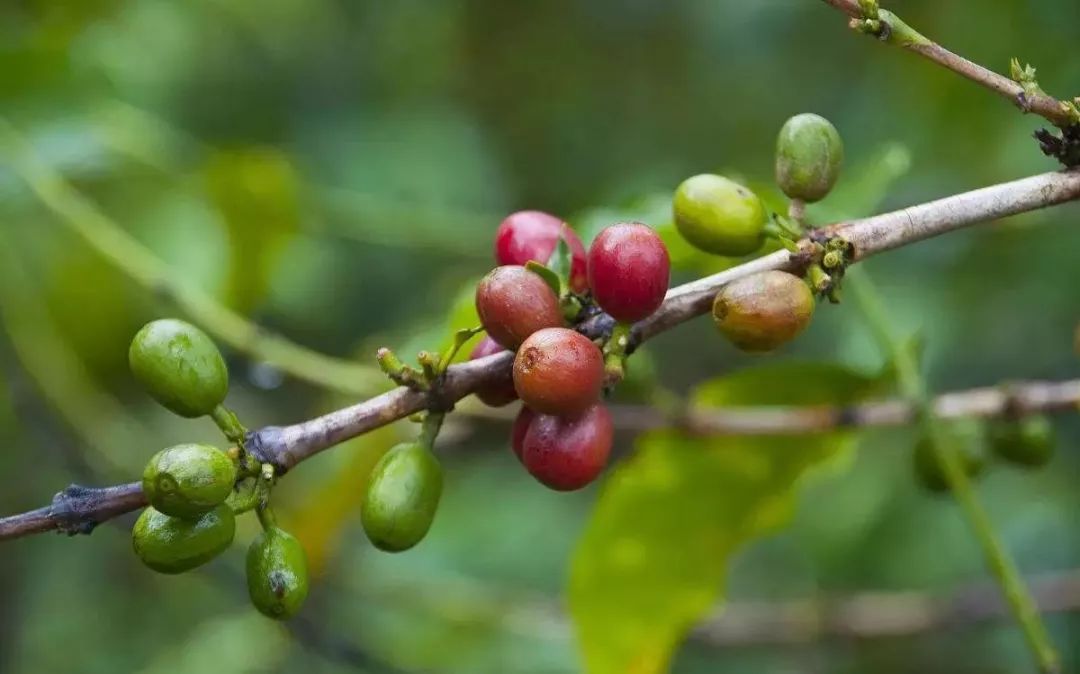
Papua New Guinea coffee is often discussed together with the coffee of Papua in the western half of the neighboring island (belonging to Indonesia), yet these two places differ significantly in coffee cultivation and processing methods, and their flavor profiles are also very different. Unlike Indonesian coffee, growers in Papua New Guinea cultivate another high-quality coffee with bright, clean fruit acidity. Local high-quality coffee also shows a creamy, dense mouthfeel and sweetness, and is stylistically closer to South American coffee.
Papua New Guinea is the largest island nation in the South Pacific, occupying the eastern half of the island of New Guinea, bordering Indonesia to the west and close to the Solomon Islands to the east. The country has a typical island climate, with high temperatures and humidity year-round, and its special geographical location creates microclimates in the highland regions. Located between the equator and 10 degrees south latitude, it has dense tropical rainforests, volcanic terrain in the north, coastal swamps in the south, and highland terrain in the center, with elevations between 1,200 and 2,500 meters, making it an ideal place for coffee cultivation.
Most coffee from Papua New Guinea comes from small farms, although large estates still exist, and the latter usually find it easier to establish good traceability records. Strictly speaking, Papua New Guinea does not have dedicated coffee farmers, because coffee is only one of the crops on a farm. Each household owns hundreds or thousands of coffee trees, and sets aside a plot on the farm for growing coffee, called a coffee garden.
Papua New Guinea coffee is mainly washed processed. Unlike washing methods in other regions, here a triple-washed fermentation is used, with each soak lasting up to 24 hours, and clean water is replaced to control the coffee's flavor. The processed coffee beans appear dark green, and in terms of flavor have bright, clean acidity, showing the sweetness of toasted bread and nuts, as well as a rather distinctive spicy sweetness.
Front Street's Papua coffee beans are selected from the Sigri estate planted in the Western Highlands. The estate was established in 1950 and is a pioneer of the local coffee industry. The Bird of Paradise estate is located in the Waghi Valley, which has diverse ecological and natural resources, including the bird of paradise, the national symbol of Papua New Guinea. The high-altitude island climate here is very similar to that of Blue Mountain, and because it is closer to the equator, Papua coffee has more dark fruit sweet acidity than Blue Mountain.
Front Street Coffee: Papua New Guinea Bird of Paradise coffee beans
Country: Papua New Guinea
Origin: Sigri Bird of Paradise Estate
Altitude: 1600-1800m
Variety: Typica
Processing method: washed processing
Flavor: nuts, cocoa, soft citrus acidity, cream, caramel finish
Typica coffee has a uniquely clean flavor and a balanced mouthfeel. In order to highlight the clean flavor of this bean, Bird of Paradise Estate uses a washed processing method: after ripe coffee cherries are picked, they are transported to the washing station and soaked and washed-fermented in 3 stages, each soaking for 24 hours, and after cleaning they are hulled and dried. This better expresses the coffee's own bright and delicate fruity acidity, with a clean and lingering sweet mouthfeel.
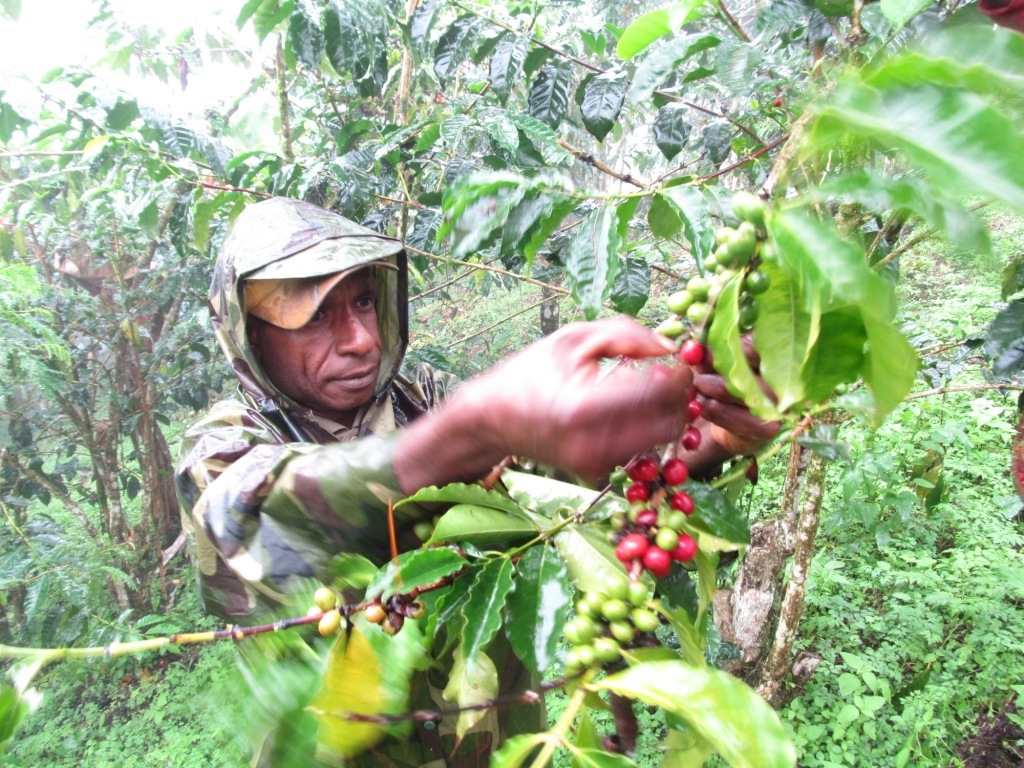
Because Typica is a lower-density green bean, in order to highlight the coffee beans' nutty, creamy notes and preserve the fruit aroma, Front Street's roasting recommendation is to use a medium roast. This way you can taste the coffee beans' own grapefruit-like acidity and bright, juicy fruit character, with tea-like and cocoa aromas appearing in the middle and finish.
Front Street brewing suggestions
Dripper: Kono dripper
Dose: 15g
Coffee-to-water ratio: 1:15
Grind size: 75% passing a No. 20 sieve
Water temperature: 88-89°C
Front Street found that brewing with a Kono dripper better presents this coffee's body and extracts the nutty and cocoa aromas more fully. For this brew, Front Street used staged extraction: bloom with 30 grams of water for 30 seconds, pour in a small stream in circles until 125 grams for the first stage, and when the water level drops and is about to expose the coffee bed, continue pouring until 225 grams and stop. When the water level drops and is about to expose the coffee bed, remove the dripper. (Start timing from the beginning of the bloom.) The extraction time is 2'00".
Flavor description: The dry aroma of Bird of Paradise Little Blue Mountain has a faint spicy note beyond Jamaican Blue Mountain. It drinks with the sweet fragrance of nuts and toasted bread, with a little fruity sweet acidity that adds more layers to the flavor. The finish is a spicy sweetness, and the overall mouthfeel is rich and balanced.
For professional coffee knowledge exchange and more coffee bean information, please follow Coffee Workshop (WeChat public account: cafe_style)
For more specialty coffee beans, please add the private WeChat of Front Street Coffee (FrontStreet Coffee), WeChat ID: qjcoffeex
The above content is compiled by CoffeeHunters, a coffee news website.


