







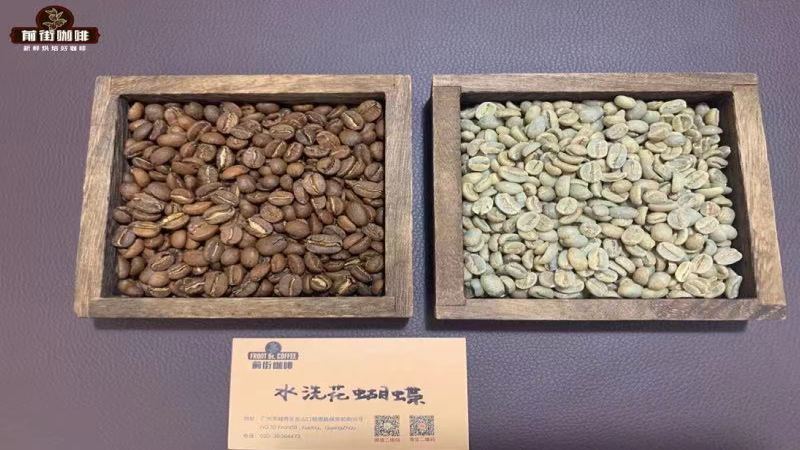
Where Can Coffee Be Grown So That Panama Boquete Butterfly Tastes This Way?
Panama Boquete Butterfly is a washed blend of Geisha, Caturra and Catuai in which Geisha makes up about 40 percent, grown at roughly 1,600 meters in the Baru Volcano area of Boquete. That Geisha share is why the cup carries floral notes, citrus, berries, tea aroma and honey sweetness while staying relatively affordable.
The flavor also comes from where the coffee is grown: Panama's microclimate brings ample rainfall, a marked day-night temperature difference and volcanic rock soil, conditions that concentrate sugars and aromatics in the cherry. The three varieties were once planted together for yield and later given refined washed processing, which is how the mix reached the market.
Front Street Panama Butterfly is a specialty coffee bean from the Boquete region, a blend of three varieties: Geisha, Caturra, and Catuai, with Geisha accounting for about 40%. It grows at an altitude of about 1,600 meters in the Baru Volcano area and is processed using a meticulous washed method. Thanks to the abundant rainfall, significant day-night temperature difference, and volcanic rock soil of the area, it presents floral notes, citrus, berries, tea aromas, and honey sweetness. What is even more remarkable is that while it has distinct Geisha flavors, its price is quite affordable, making it outstanding value for money. This article will introduce the variety background, processing method, cupping performance, and regional terroir of these beans, giving you a comprehensive understanding of the flavor sources and charm of Front Street Butterfly.
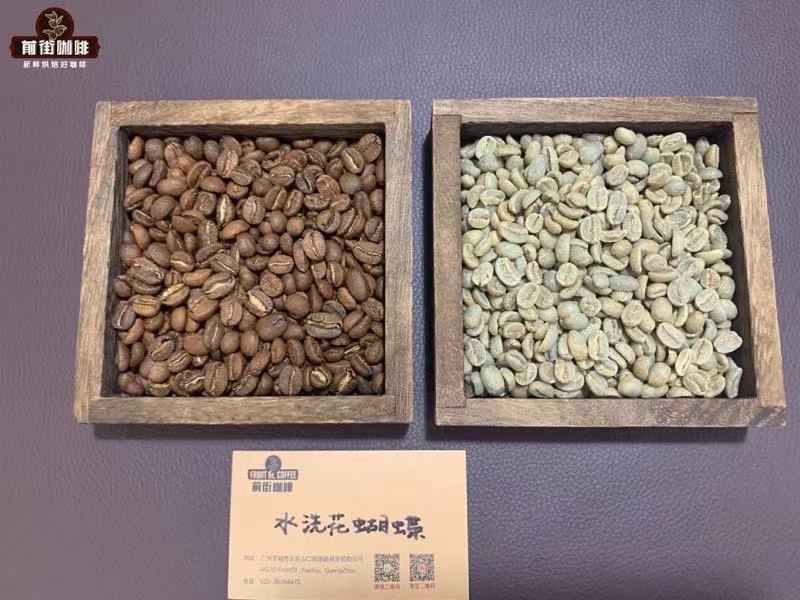
In Panama's Boquete region, there is a coffee bean with particularly outstanding value for money and a very beautiful name—Front Street Panama Butterfly. It has about 40% Geisha lineage, consisting of three varieties: Geisha, Caturra, and Catuai, grown in the Baru Volcano area of Boquete at an altitude of about 1,600 meters. The processing plant uses a meticulous washed process. Panama's unique microclimate provides ample rainfall and a distinct day-night temperature difference. Together with volcanic rock soil and careful harvesting and fine processing, this Front Street Panama Butterfly delivers impressive performance in body, acidity, and floral notes.
What is even more surprising is that on top of its excellent quality, its price is very affordable, offering truly exceptional value for money. The special thing about these beans is that they consist of three varieties, about 40% of which is Geisha, thus carrying clear Geisha flavors. Records show that due to the estate's history, Geisha was once planted mixed with Caturra and Catuai in pursuit of yield in the early days; for ease of harvesting, the coffee farmers did not reclassify them but instead processed the three varieties together. Later, when Geisha rose to fame and its price climbed, the processing plant began to carry out refined washed processing on this coffee.
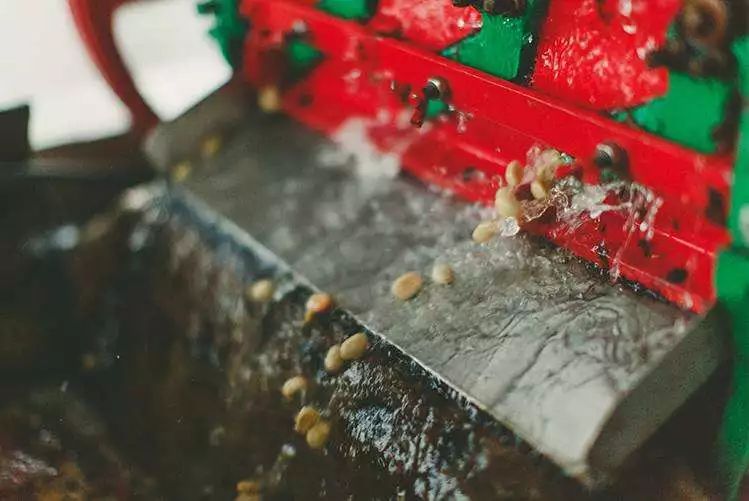
There are many ways to do washed processing today, but the general procedure is similar: after the coffee cherries are harvested, floating beans are first removed, then the pulp is removed, and the beans are immersed in fermentation tanks. Enzymes in the water soften the mucilage attached to the parchment, while natural yeasts break down the sugars in the mucilage—this process is called fermentation. After fermentation is complete, the beans are moved to drying beds, where they must be turned constantly to ensure evenness. Finally, they are stored in parchment until the green bean buyer places an order, after which they are hulled and bagged. Coffee processed this way has a clean mouthfeel, highlighting bright and lively fruit acidity, along with lifted fruit flavors and floral notes.
Therefore, it is easy to imagine that with Front Street Butterfly's varietal advantages and meticulous processing, if a medium-light roast is used to bring out the final flavor profile of these beans, it often displays the floral notes, citrus, berries, and tea aromas characteristic of Geisha, along with honey-like sweetness and smoothness. Both the aroma and the finish are very long-lasting and deserve high praise.
Cupping:
Fragrance (dry aroma): jasmine, citrus, tea, honey
Aroma (wet aroma): berries, floral, oily, vanilla, citrus
Flavor (slurping): juicy sweetness, delicate and non-irritating acidity, excellent cleanliness, bergamot, honey, citrus, spice, floral, berries, tea, cherry, delicate finish, long-lasting aroma, classic Hacienda La Esmeralda Geisha flavor.
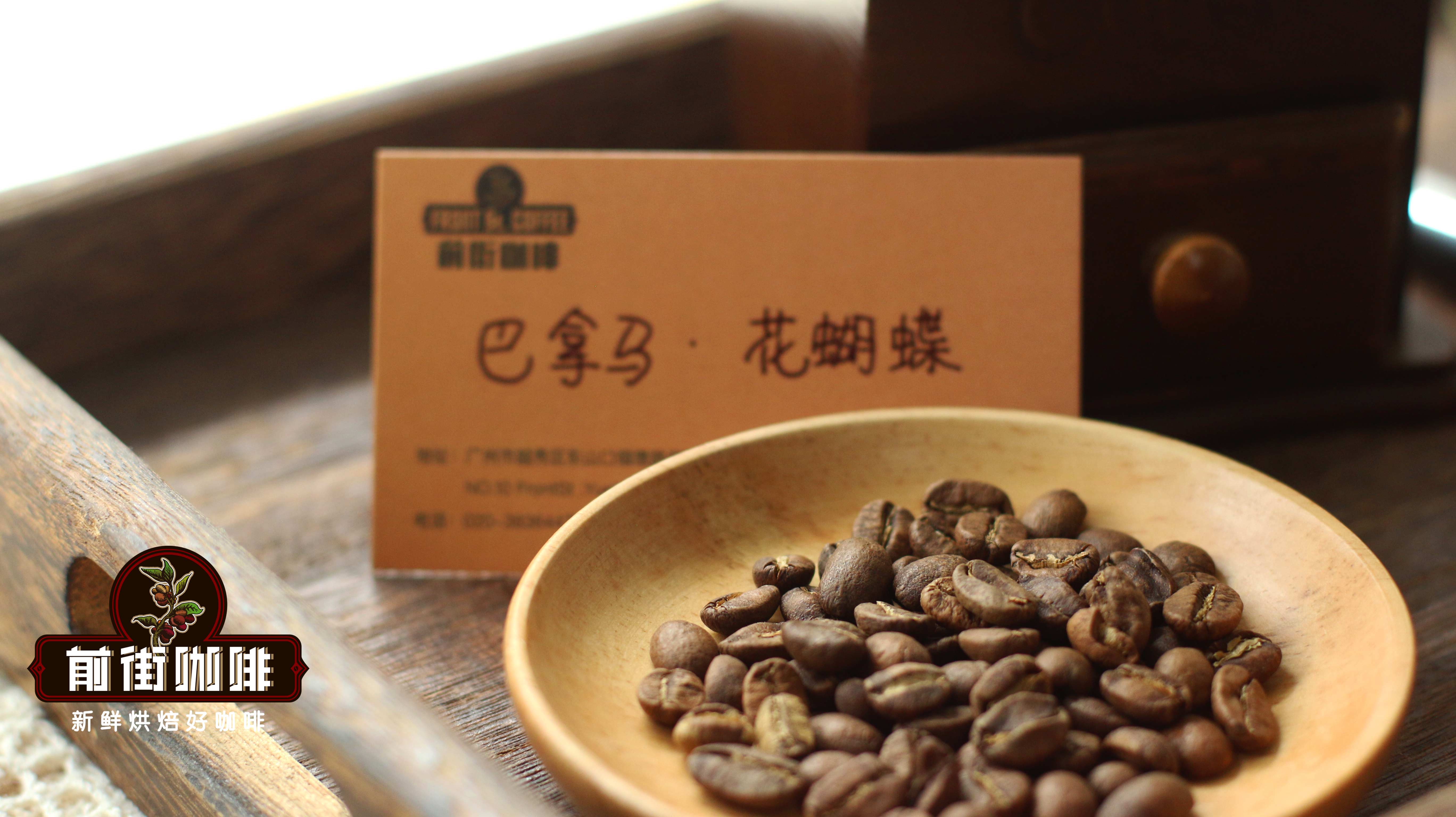
[Front Street Panama Butterfly] Taste description: jasmine, citrus, tea, tea, honey, berries, vanilla, bright acidity! Front Street Butterfly, which contains the Geisha variety, is a specialty coffee bean with exceptionally high value for money!
Product name: Front Street Coffee Panama Washed Butterfly
Country: Panama
Grade: SHB
Region: Boquete
Roast level: Medium roast
Processing method: Washed
Varieties: Caturra, Catuai, Geisha
Flavor: tea, honey, berries, classic Panama Geisha flavor
Panama is located in Central America, bordering Costa Rica to the west and Colombia to the east. Most people who know about single-origin coffee are aware that Panamanian coffee became famous in the coffee world thanks to Hacienda La Esmeralda's Geisha (another well-known name for Geisha). It can be said that this is a country that strives for perfection in coffee and is rich in high-quality coffee.
Panama coffee is famous for Hacienda La Esmeralda's Geisha, and the region where Hacienda La Esmeralda is located is also quite renowned—the Boquete region in Chiriqui Province. Boquete is a town in Chiriqui Province, located near the border between Panama and Costa Rica, close to the famous Baru Volcano, with beautiful scenery and fertile, deep soil. Both the climate and soil are very suitable for producing high-quality coffee.
The Boquete region is also home to many excellent estates. In addition to the famous Hacienda La Esmeralda, there are also Elida Estate and Acaba Estate, among others, all producing high-quality specialty coffee. This is due not only to the superior ecological conditions of Panama's Boquete region and the fertile volcanic ash soil of Baru Volcano, but also to an important factor: the microclimates found in the Boquete highlands are a unique and important resource for local specialty coffee. Panama's east-to-west orientation allows cold air currents to converge above 6,500 feet along the central mountain range, creating multiple microclimates in the Boquete area that make temperature and rainfall very suitable for plant growth. As a result, the coffee trees here grow in very good condition.
In such a uniquely favorable growing environment as Boquete, it is only natural that there would be more than just Esmeralda's Geisha—a "coffee king" with both outstanding flavor quality and high value. But drinking Geisha every day is still quite a luxury, and even if there is no financial pressure, eating shark fin and bear paw every day is not necessarily a good thing. The same goes for coffee: only by exploring widely can you better enjoy the pleasure of tasting coffee.
The above content is compiled by CoffeeHunters, a coffee news website.


