







For more specialty coffee knowledge, please follow: Front Street Coffee (Frontsteet Coffee)
When people walk into a café, many are drawn in by the barista's technique in making fancy coffee drinks. Through smooth latte art, the barista perfectly blends espresso and milk to create a delicious, aromatic cup of Italian coffee. Although Front Street Coffee's stores focus mainly on pour-over coffee beans, with over 50 varieties from different regions, Front Street also serves espresso-based drinks.
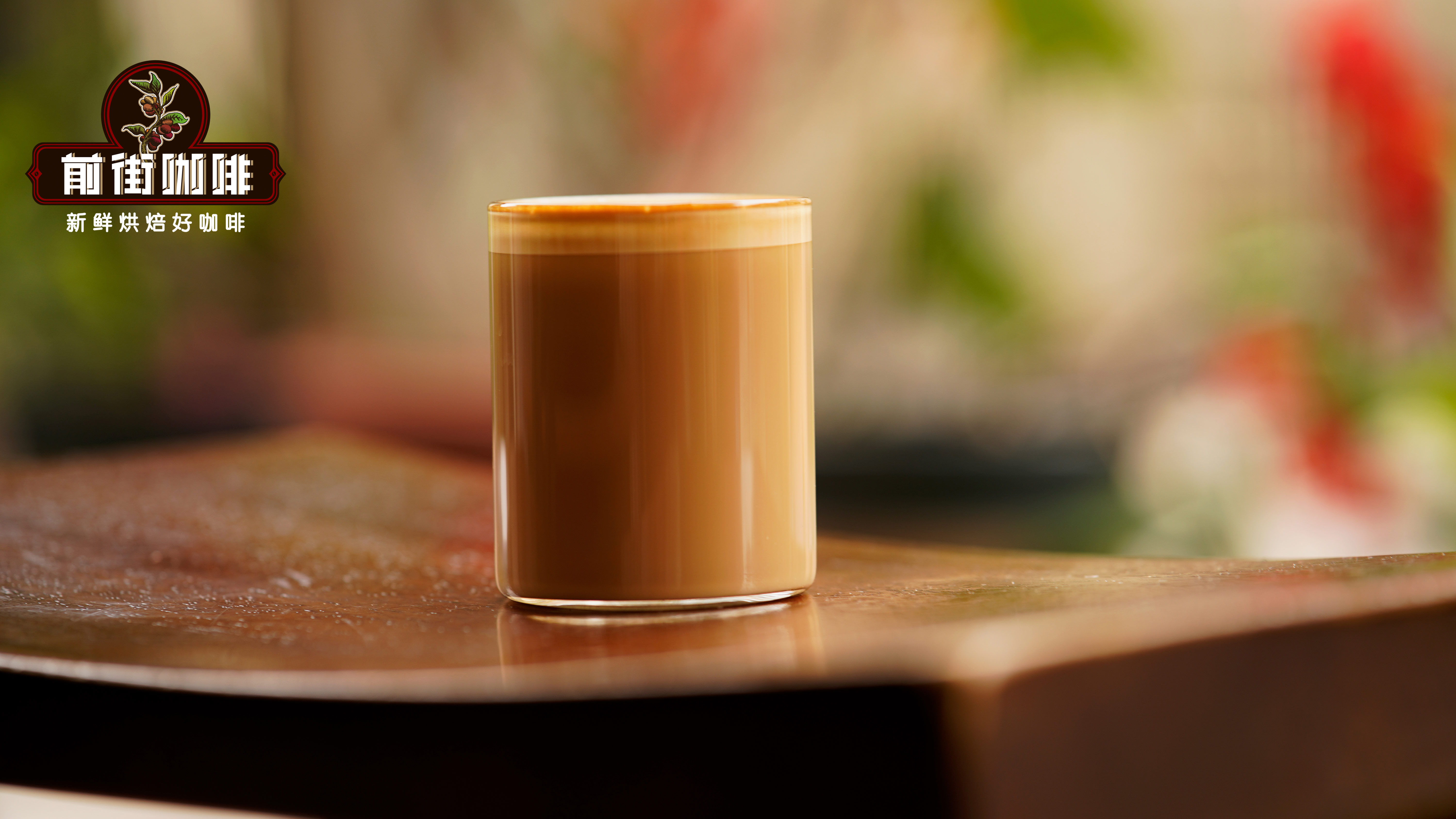
Front Street Coffee's espresso menu includes latte, cappuccino, Americano, toffee latte, and mocha latte—each with its own distinct flavor. Espresso drinks like Piccolo, Dirty, and Flat White are served less often. Flat White-type coffee appears more commonly at Starbucks. Flat White's English name is Flat White, and it's the famous "Aobai." Flat White has many translations: most cafés call it Aobai, Costa calls it Artistry White, Starbucks calls it Flat White (馥芮白)! Luckin calls it Australian White, and McDonald's calls it Australian White—McDonald's version isn't as bitter as others.
"馥芮白"—hearing this name for the first time, people might associate it with white coffee, or think it refers to a coffee with less coffee content and a whiter color. Starbucks' new "Flat White" tastes very similar to a latte. Flat White's bitterness outweighs its milkiness—slightly more bitter than a latte, with a lasting finish; a latte is milkier with a hint of bitterness. In our memory, a latte is milky with slight bitterness, while a Flat White is bitter with a slight milkiness. The coffee that has recently become popular globally and in the Chinese market is actually a variant of cappuccino called "flat white," a latte-style coffee with fine milk foam originating from Australia—it actually appeared as early as the 1980s.

Speaking of this, Front Street needs to clarify the matter of Aobai. Aobai is a coffee beverage originating from Australia. But some later claimed it actually originated in New Zealand. New Zealanders prefer Double Ristretto, while their Australian counterparts use Single Espresso. Aobai blends fine, tiny milk foam into a single espresso or double Ristretto. To some extent, it's similar to a traditional 5 oz (150mL) cappuccino or latte, so coffee makes up a higher proportion, the milk foam is lighter and finer, and the Espresso flavor is richer while still carrying the aroma of milk.
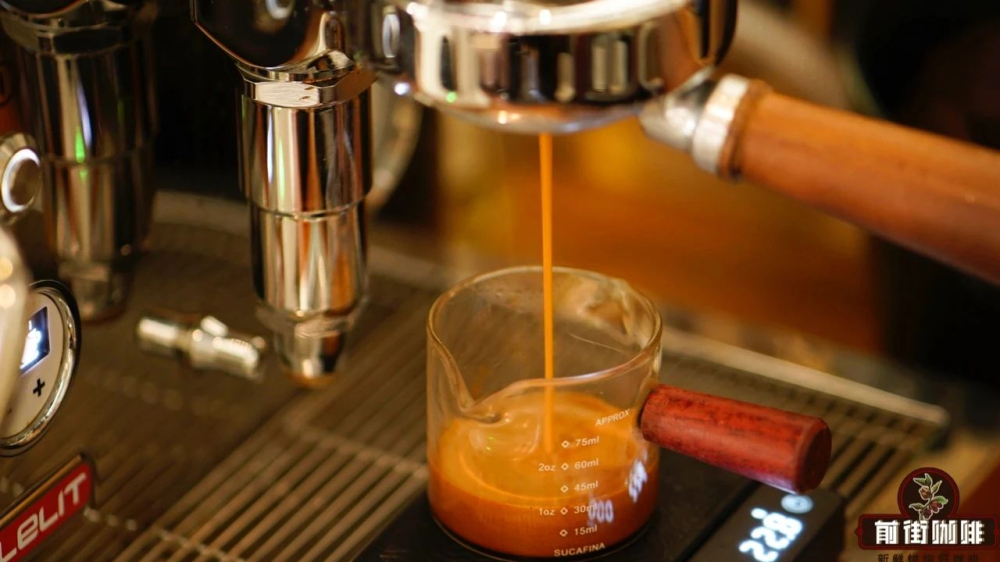
Ristretto means "restricted," so ristretto is actually an espresso with restricted flow rate—meaning ristretto's flow rate is slower. To give a simple example: if espresso uses 18g to extract 36g of espresso in about 25 seconds, then ristretto uses 18g of grounds to extract 18g of espresso in about 25 seconds, so ristretto is very, very concentrated (the grind size also differs from normal espresso).
When making Aobai, Front Street typically combines a double Ristretto with milk that has thinner foam and serves it in a 180mL cup, which makes the flat white's coffee aroma even richer. Flat white (a 200ml cup): the base is two shots of espresso; some places also extract the esp for longer, using two Ristrettos.
According to Front Street's understanding, many friends have only a vague idea of the differences between Aobai, Piccolo, Dirty, Cappuccino, and Latte, so Front Street Coffee would like to share some related knowledge with everyone.

Aobai CoffeeWhat's the difference from Piccolo?
Piccolo Latte is more like a shrunk-down latte—small cup, small volume, and less coffee and milk than common espresso drinks. It requires extracting 15 to 20 grams of ristretto espresso, paired with 4 times the milk. Aobai coffee, as we can see from the above, is a coffee that highlights the coffee flavor. Latte is a coffee beverage with a large amount of milk added. Cappuccino is a milk coffee with thicker foam. Aobai coffee is one with a more intense coffee flavor / less milk and thinner foam.How to make Aobai Coffeealso varies. In choosing the espresso base, New Zealanders prefer to use Double Ristretto to make Aobai coffee, while Australian baristas prefer to use Single Espresso.
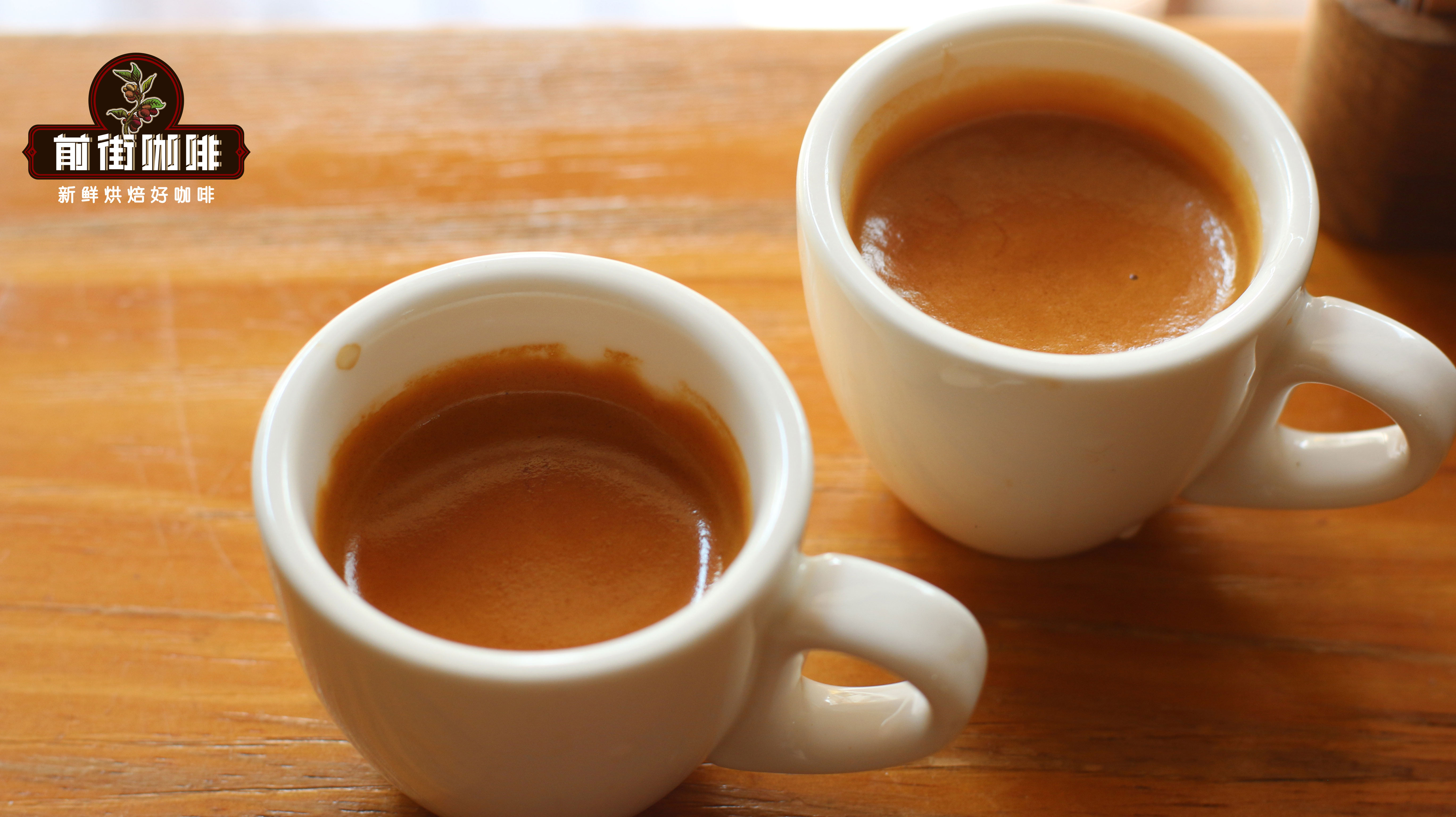
Front Street believes that Aobai coffee feels more like a coffee with milk; a latte is like a coffee-flavored milk; a cappuccino is like a frothy milk coffee. Aobai coffee better showcases the quality of the coffee beans and is more suited to expressing the flavor of the coffee's origin region—just like the currently very popular SOE (single origin espresso), catering to the third wave coffee trend of focusing on coffee origins and tracing back to the source.The cup used for Dirty coffee should first be chilled in the refrigerator, then chilled fresh milk is poured into the cup, followed by espresso. Visually, the coffee looks like it has tainted the white fresh milk, and when tasting, the combination of hot on top and cold below brings a unique layered mouthfeel.

When you search online for the differences between these three coffees, you'll find that the vast majority of explanations focus on the thickness of the milk foam. Front Street believes that the thickness of the milk foam only affects the coffee's mouthfeel to a certain extent, but doesn't determine the coffee's taste. What determines the difference between Aobai, Cappuccino, and Latte is mainly the coffee ratio.
In fact, the difference between the three can be divided by the intensity of coffee aroma: Aobai>Cappuccino>Latte; and by the thickness of milk foam: Cappuccino>Latte>Aobai. Flat White's milk requirement is to remove the looser surface foam and keep only the finer middle part.

The above is some information aboutAobai Coffeeand next Front Street will continue to share with everyone how to make a delicious cup of Aobai coffee. Before making Aobai coffee, you need to first choose espresso beans. A good espresso bean can extract an espresso that adds a lot to an Aobai coffee.
Currently, Front Street uses the Sunflower Warm Sun blend, which is sold in-store. This blend uses Honduras Sherry and Ethiopia Yirgacheffe Red Cherry coffee. Through the continuous blending by Front Street Coffee's baristas, a relatively perfect blending ratio of 7:3 was achieved. The resulting espresso has distinct fruit acidity, along with berry aroma and wine notes, and a comfortable sweet aftertaste.
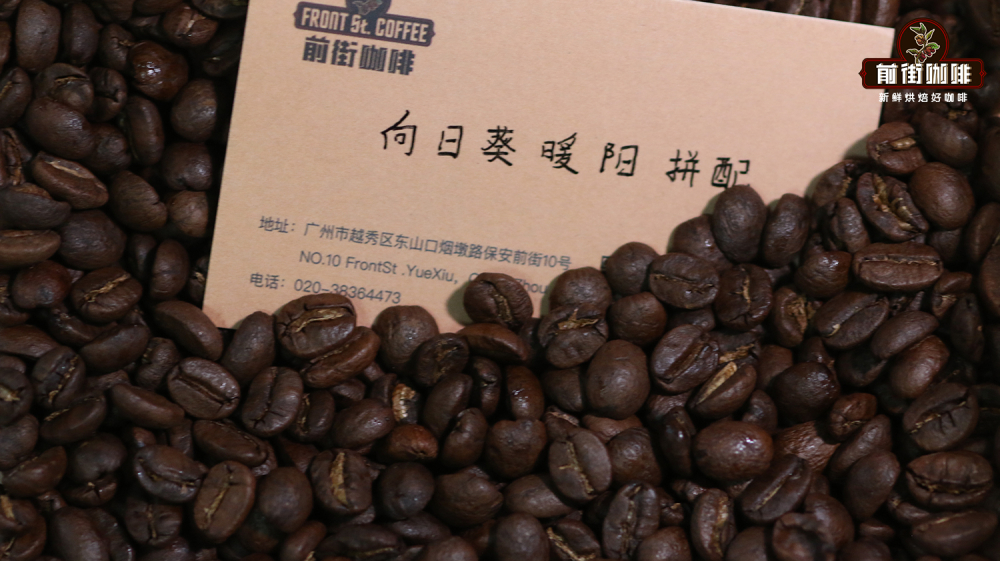
For those who prefer rich, aromatic coffee, Front Street's Classic Espresso Blend is recommended. This is a recipe combining beans from Brazil, Indonesia, and Vietnam, using a deep roast, which maximizes the coffee's rich aroma and allows everyone to easily extract abundant, dense crema. It's perfect for making a diluted Americano or a milk-based latte.

You might be wondering at this point: why can only espresso beans be used for making espresso drinks, and not pour-over coffee beans? This comes down to the roasting level of the coffee beans. Generally, espresso coffee is roasted darker—an espresso roast. Pour-over beans are generally roasted from light to dark. Using a light roast to make espresso will be quite sour, and the resulting espresso drink will have poorer flavor. Front Street believes there's another reason: cost. General pour-over coffee beans require a cupping score above 80, belonging to the specialty coffee grade, while espresso beans mostly use Front Street's commercial blend beans, which naturally cost far less than pour-over coffee.
How to Makeflat whiteAobai Coffee?
Step one: make the espresso base. Front Street selected espresso, using 20 grams of coffee grounds to extract 27 grams of espresso liquid in 20 seconds.

Step two: steam the milk. The milk foam should be as little and thin as possible. Pour the steamed milk into the espresso, integrate until eight-tenths full, then gently push out a pattern. Because Flat White's foam is on the thinner side, patterns easily lose their shape, so it's recommended to make a simpler heart pattern or a dot pattern, or skip latte art altogether. A delicious cup of Aobai coffee is ready!
For more specialty coffee knowledge, please follow: Front Street Coffee (Frontsteet Coffee)
The above content is compiled by CoffeeHunters, a coffee news website.


