







How Do Geisha Coffee Flavor Grades Differ by Label?
Geisha coffee rose from an Ethiopian wild variety to Panama's standout specialty bean. In 2004, Hacienda La Esmeralda entered it in the top-tier Panama competition, where its floral aroma, citrus-like acidity, and layered fruit notes won the championship. The farm's altitude classification also separates Red, Green, and Blue Label lots by quality.
Geisha was first found in Ethiopia in 1931 and later reached the Kenya Coffee Research Institute, Uganda, Tanzania, and Costa Rica. In the 1970s, Francisco Serracin obtained seeds from CATIE to diversify Panama's varieties. Processing also shapes flavor: natural and washed methods shift the cup's direction, which matters alongside label and altitude.
How did Geisha coffee leap from a wild variety in Ethiopia to become Panama's national treasure-level specialty bean? This article, from the perspective of Front Street Coffee, traces Geisha's discovery and rise to fame at Hacienda La Esmeralda, provides a detailed interpretation of the quality differences between Red Label, Green Label, and Blue Label under Panama's altitude classification system, and compares the influence of natural and washed processing methods on flavor direction. The article also includes complete parameters for three Geisha products from Front Street Coffee, as well as the specific operation and tasting notes for V60 three-stage brewing, making it suitable for enthusiasts who wish to gain a deeper understanding of the Geisha coffee flavor system.
How Geisha Became Popular
In 2004, Hacienda La Esmeralda submitted Geisha coffee beans to that year's Best of Panama competition. With its intense floral aroma, citrus-like acidity, and richly layered complex fruit notes, this bean won the championship in one fell swoop. Front Street Coffee believes that Geisha's status today would not be possible without the push of Hacienda La Esmeralda as its discoverer.
The Geisha variety was first discovered in 1931 in Ethiopia, the birthplace of coffee, and was subsequently introduced to the Kenya Coffee Research Institute, as well as Uganda, Tanzania, Costa Rica, and other places. In the 1970s, Mr. Francisco Serracin obtained Geisha seeds from CATIE in Costa Rica in order to enrich Panama's coffee variety structure and began cultivating them, which set the stage for the story that followed.
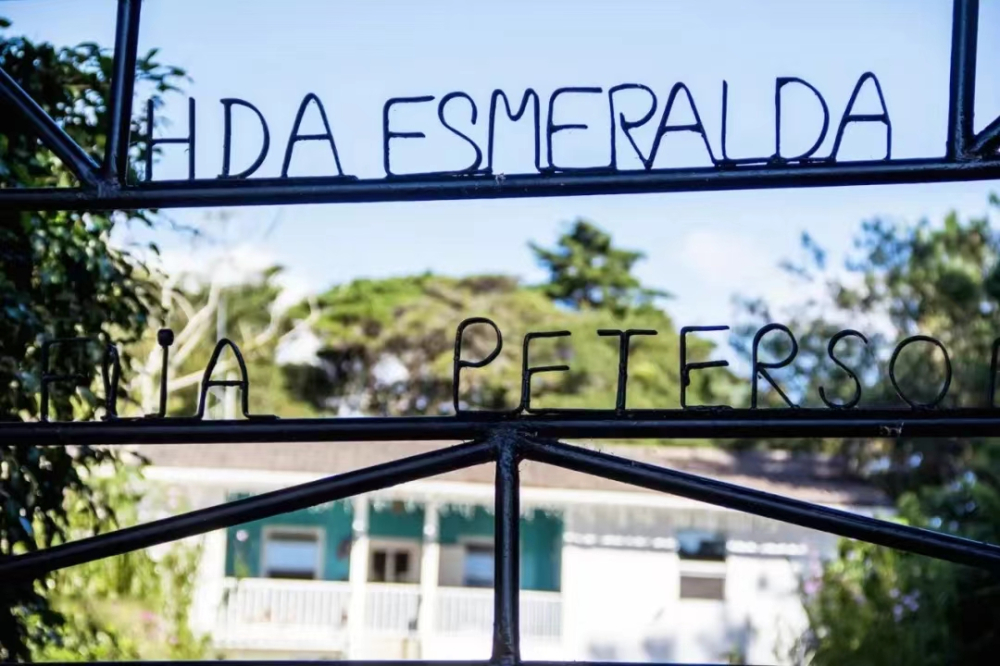
Hacienda La Esmeralda is located on the western side of Barú Volcano in the Boquete production region of Panama. The fertile soil left by volcanic activity, combined with the unique microclimate formed in the high-altitude mountains, together create the style of coffee here: rich floral aromas, intertwined sweetness and acidity of ripe fruit, and a long lingering finish.
In 1964, American banker Rudolph Peterson purchased a farm in Chiriquí Province, Panama, originally intending to spend his retirement years there. The farm initially focused on dairy operations. Later, his son Price Peterson returned to Panama to help manage it, introduced the Caturra and Catuai varieties, and built a washed processing plant, after which the farm formally shifted to coffee production.
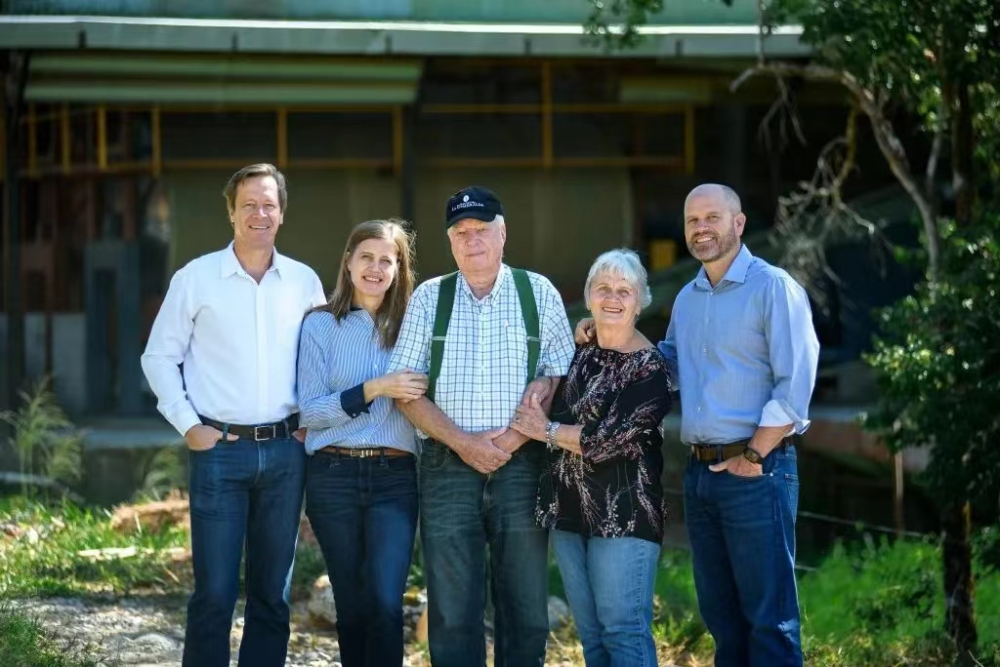
The third generation of the Peterson family, 24-year-old Daniel Peterson, also joined the management of Hacienda La Esmeralda. In order to improve coffee quality, he systematically studied cupping and recorded the plant characteristics, fruiting conditions, and flavor performance of hundreds of varieties on the estate one by one. After years of comparison, in 2003 he discovered that Geisha's flavor was completely different from the nutty base notes of ordinary American coffees, so he separated it out for cultivation. In 2004, the Geisha lot finally achieved mass production. Daniel submitted lots whose cupping performance showed high-quality flavors such as jasmine, citrus, peach, blueberry, and bergamot to the Best of Panama competition. Not only did they win that year's championship, but they also repeatedly ranked among the top in major competitions thereafter.
Geisha's Grade Classification
Each country has its own coffee bean grading standards. Panama's approach is to grade green beans according to cultivation altitude.
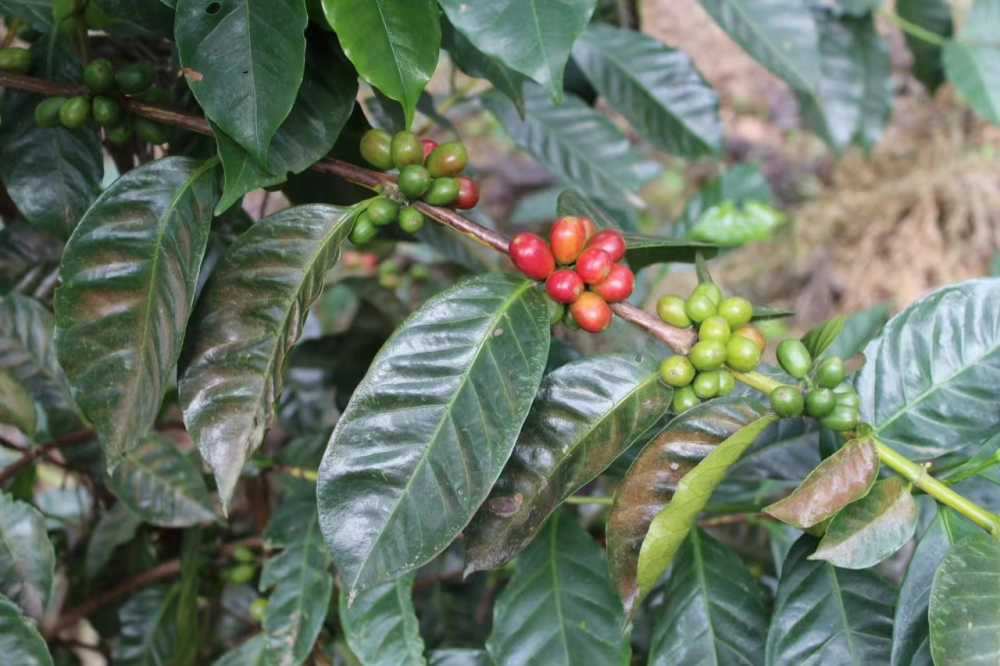
Under the same latitude and in the same plot, the higher the altitude, the greater the temperature difference between day and night, the longer the coffee's growth cycle, the harder the bean quality, and the more nutrients accumulated, so the flavor compounds are naturally more prominent.
On the basis of national grading standards, Hacienda La Esmeralda also established its own refined grading system. The Peterson family classified all plots on the estate by altitude. At present, there are three estates growing Geisha, namely El Velo, Cañas Verdes, and Jaramillo. Among them, the top-quality Geisha lots come from Cañas Verdes and Jaramillo.
Hacienda La Esmeralda has its own marketing strategy. Based on cupping flavor, cultivated variety, and plot, it divides its products into five major brands, three of which are occupied by Geisha: Esmeralda Special, Private Collection, and Geisha1500, which are the Red Label, Green Label, and Blue Label listed by Front Street. In addition, there is Esmeralda Auction, a brand separated from Red Label in 2022 and specifically aimed at buyer auction lots.
Esmeralda Special, namely Red Label, is grown at an altitude of 1,600 to 1,800 meters, with a cupping score above 90 points, making it the highest-quality Geisha from Hacienda La Esmeralda. The beans come from the Jaramillo and Cañas Verdes plots and are usually processed by natural or washed methods. The flavor shows intricate floral aromas and diverse complex fruit sweetness and acidity.
Front Street Coffee: Red Label Geisha Coffee Beans
Region: Boquete Production Region
Estate: Hacienda La Esmeralda, Cañas Verdes
Altitude: 1700+ meters
Variety: Geisha
Processing Method: Natural Process
Flavor: Apricot, Honey, Berries, Mango, Cream, Citrus
Private Collection, namely Green Label, consists of lots that do not participate in independent competitions, and the cultivation plots and altitude are the same as Red Label. Because mixed beans are used during picking, no specific plot is indicated. The flavor sometimes presents floral and fruity aromas and a sweet-and-sour juicy feel similar to Red Label.
Front Street Coffee: Green Label Geisha Coffee Beans
Region: Boquete Production Region, Panama
Estate: Hacienda La Esmeralda
Altitude: 1600-1800 meters
Variety: Geisha
Processing Method: Washed Process
Flavor: Jasmine, Ginger Flower, Sweet Orange, Lemon, Honey
Geisha1500, namely Blue Label, is grown at an altitude of 1,400 to 1,500 meters and harvested from a mix of beans from different plots across three sub-estates under Esmeralda. Starting in 2021, the Blue Label series was discontinued, and Hacienda La Esmeralda turned the Geisha produced in this altitude range into an export product, becoming Volcanic Rock Geisha coffee beans, with a flavor consistent with the original Blue Label. Front Street notes that Blue Label Geisha uses only washed processing. Its flavor is mainly light floral notes and fruity sweetness and acidity, and its body is less full than the other two brands.
Front Street Coffee: Panama Volcanic Rock Geisha Coffee Beans
Region: Boquete Production Region, Panama
Estate: Hacienda La Esmeralda
Altitude: 1500 meters
Variety: Geisha
Processing Method: Washed Process
Flavor: Citrus Acidity, Jasmine Floral Aroma, Honey
Geisha Processing Methods
For high-quality Geisha, after picking ripe coffee cherries, Hacienda La Esmeralda usually uses two processing methods: natural and washed.
Natural Process
After strict selection, Hacienda La Esmeralda spreads the ripest coffee cherries on drying beds as thinly as possible and turns them manually at regular intervals to ensure even drying. Because they are dried together with the fruit pulp, the green beans carry a berry-like sweetness, and the flavor shows richer floral and fruity aromas, with a more viscous and fuller body.
Washed Process
Before drying, the coffee fruit is first depulped to remove the skin and pulp, and then acidic substances produced by fermentation are used to remove the mucilage attached to the surface of the beans. Coffee beans processed this way have a cleaner surface, and the final cup is more refreshing with brighter acidity. The washed process requires a large amount of clean water to wash the green beans, so the cost of washed processing is relatively high.
Brewing Reference
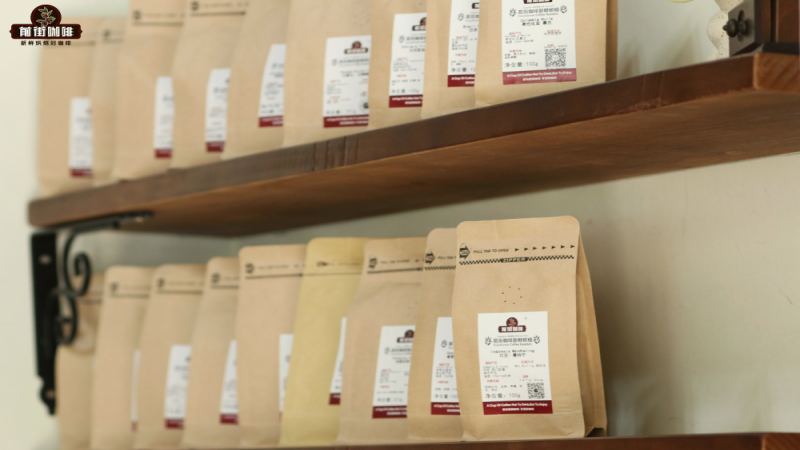
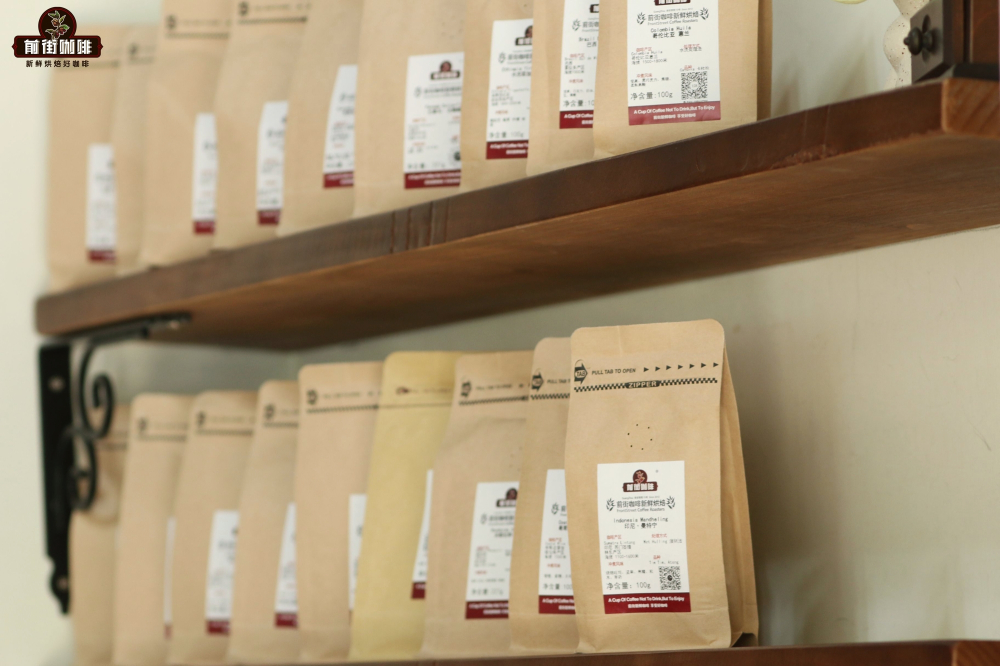
The baristas at Front Street Coffee usually do not proactively recommend Geisha to customers. If customers choose Geisha themselves, Front Street's daily bean list offers 6 Geisha options of different flavor types for customers to choose according to personal preference.
In terms of roasting, Front Street takes into account the differences in cultivation environments among different Geisha lots. The roaster makes corresponding adjustments according to the characteristics of each bean, but the overall direction is to highlight Geisha's floral aroma and fruity acidity, using a medium-light roast.
This time, Front Street brewed the natural-process Esmeralda Red Label and the washed-process Esmeralda Green Label respectively to taste the basic flavors of high-quality Geisha. As mentioned above, Red Label and Green Label Geisha are extremely hard beans from high altitudes, and in addition the roast level is on the lighter side, so a higher water temperature and a finer grind are needed to fully extract the aroma.
The brewing parameters used by Front Street this time were: Hario V60 dripper, 90°C water temperature, 15 grams of coffee, 1:15 coffee-to-water ratio, medium-fine grind (80% passing through a Chinese standard No. 20 sieve). The brewing used three-stage extraction: pour the coffee grounds into the V60 dripper, first wet the coffee bed with twice the coffee dose of water, and after a dome forms, let it bloom for 30 seconds; then pour in a thin stream in circles from the inside outward until 125 grams, pausing in stages, and when the coffee bed drops to halfway down the dripper, continue pouring the third stage with the same thin stream until 225 grams. After all the coffee liquid has filtered through, remove the dripper. The total time is about 2 minutes.
After grinding, both Geishas gave off abundant floral aromas. The Red Label presented red rose floral notes, while the Green Label had fresh jasmine floral notes. After brewing, the Red Label entered with the sweetness and acidity of citrus, apricot, berries, and complex fruits; the juicy feel was thick and full, with rich layers, and the finish carried fruity tea aromas. The Green Label entered with the clean sweetness of green tea, yuzu peel, and cantaloupe; the mouthfeel was creamy and smooth, and the finish lingered with floral notes and citrus.
For professional coffee knowledge exchange and more coffee bean information, please follow Coffee Workshop (WeChat public account cafe_style)
For more specialty coffee beans, please add the private WeChat of Front Street Coffee. WeChat ID: qjcoffeex
The above content is compiled by CoffeeHunters, a coffee news website.


