







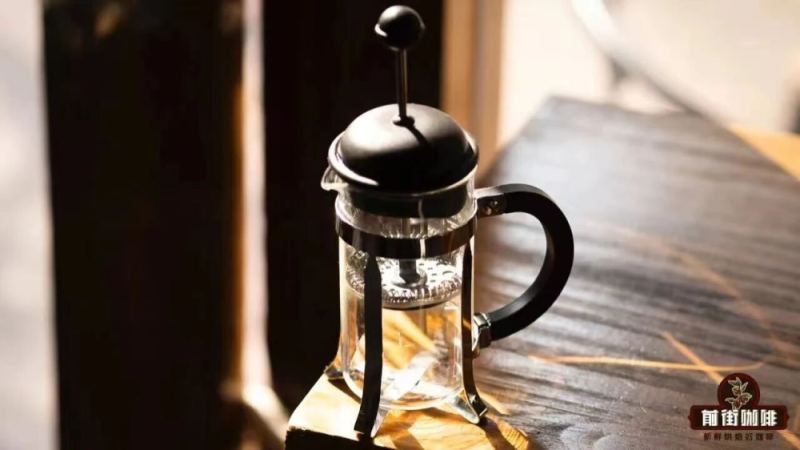
The French press, also known as the press pot, relies on a simple immersion extraction principle that preserves coffee oils and original flavors to the greatest extent, earning it the reputation of being the brewing method closest to cupping. This article provides a detailed explanation of French press coffee bean selection, grind size requirements, coffee-to-water ratio recommendations, and complete brewing steps, along with practical operating experience from Front Street Coffee. From bean roast level to water quality selection, from steeping time to pouring timing, it helps coffee enthusiasts easily make a rich, full-bodied French press coffee.
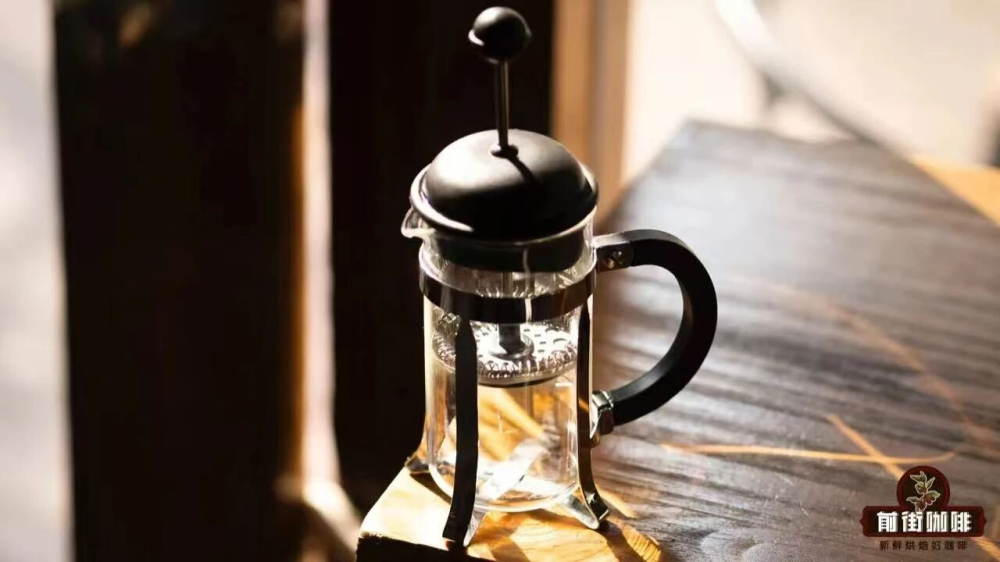
The French press has a simple construction—just place coffee grounds and hot water into the pot, then use the metal filter rod to press the sunken coffee grounds to the bottom, and the filtration process is complete. The metal filter can be repeatedly washed and reused, eliminating the expense of paper filters and being more environmentally friendly. Because no paper filter is needed to intercept particles, the precious natural oils in the coffee are fully retained, which is why the French press can present a cup of coffee in its most original, rich, and layered form.
Making coffee with a French press has an extremely low barrier to entry and is often called the "lazy person's device," but simplicity does not mean sacrificing flavor. In fact, this immersion-style extraction method is very close to cupping output, fully releasing oils, aromas, and various flavor compounds—smooth on the palate, with notable sweetness and a rich texture, making it perfect as a breakfast coffee.
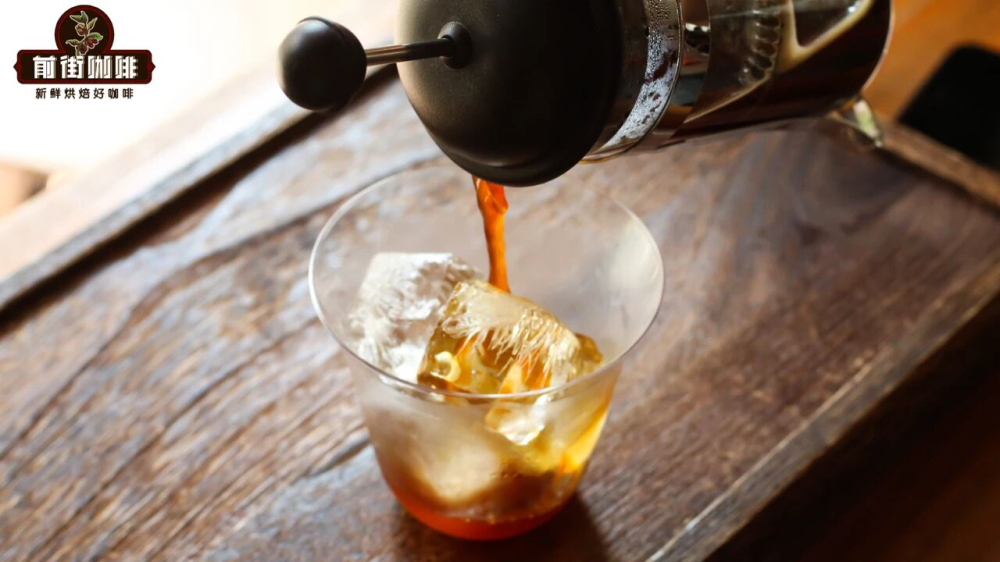
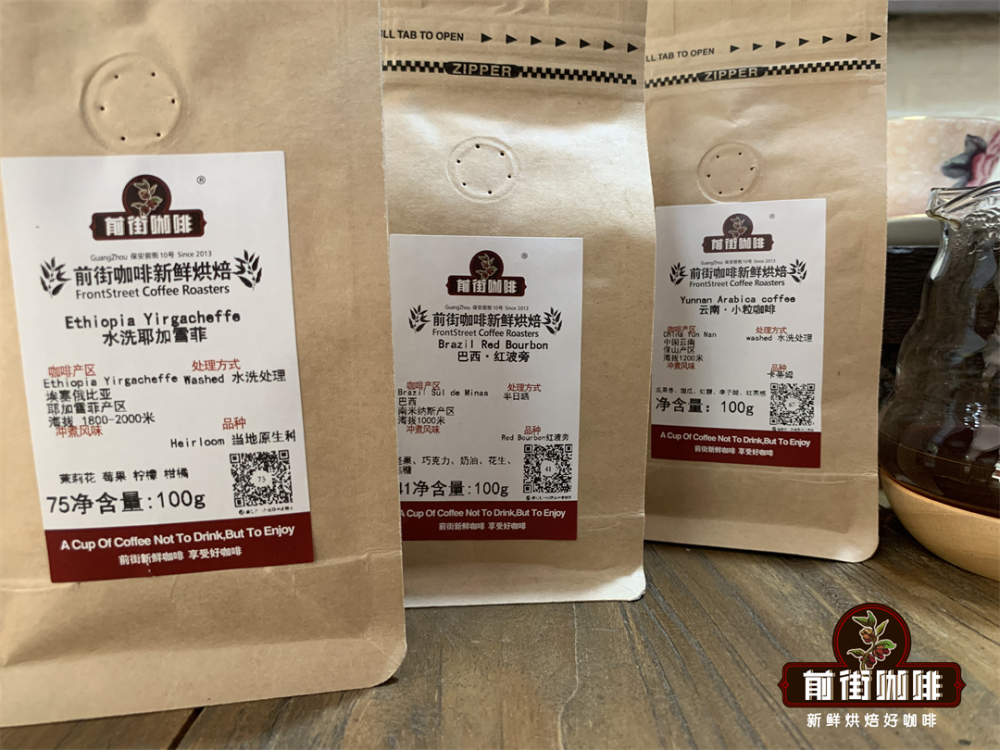
In terms of coffee bean selection, the French press is better suited to single-origin beans or beans with prominent fruit acidity, with medium-dark roast being ideal. Front Street Coffee recommends choosing beans with good balance, such as the Front Street Brazil Cerrado coffee beans, Front Street Colombia Huila coffee beans, Front Street Indonesia Mandheling coffee beans, and Front Street Costa Rica Tarrazu coffee beans from the Front Street daily beans series. These beans have balanced flavors with dark chocolate and fruit notes. Since the French press uses immersion extraction, it can fully showcase coffee oils, aromas, and rich mouthfeel, while dark-roasted beans more easily release aromas and full-bodied richness. Therefore, these medium-dark roasted beans from Front Street Coffee are very suitable for French press preparation. In coffee made with a French press, dark-roasted beans perform better in aroma and mouthfeel richness.
As for light-roasted coffee beans, Front Street does not recommend them for French press. Ethiopian coffee beans are typically suited to light roasting to highlight floral notes and bright fruit acidity—for example, Front Street Yirgacheffe Natural Red Cherry and Front Street Huakui are better suited to pour-over or cold brew.
——Front Street Ethiopia Yirgacheffe Natural Red Cherry coffee more easily showcases lemon, floral, and fruit notes when brewed as pour-over, but if switched to French press immersion, the resulting cup will taste rather one-dimensional and flat.
Let's look at how Front Street makes an excellent cup of coffee with a French press. Beans like Front Street Brazil Queen's Farm, Front Street Golden Mandheling, and Front Street Colombia Huila all have flavor profiles suitable for the French press. Below, we'll use this Front Street Colombia Huila coffee bean as an example for the operation.
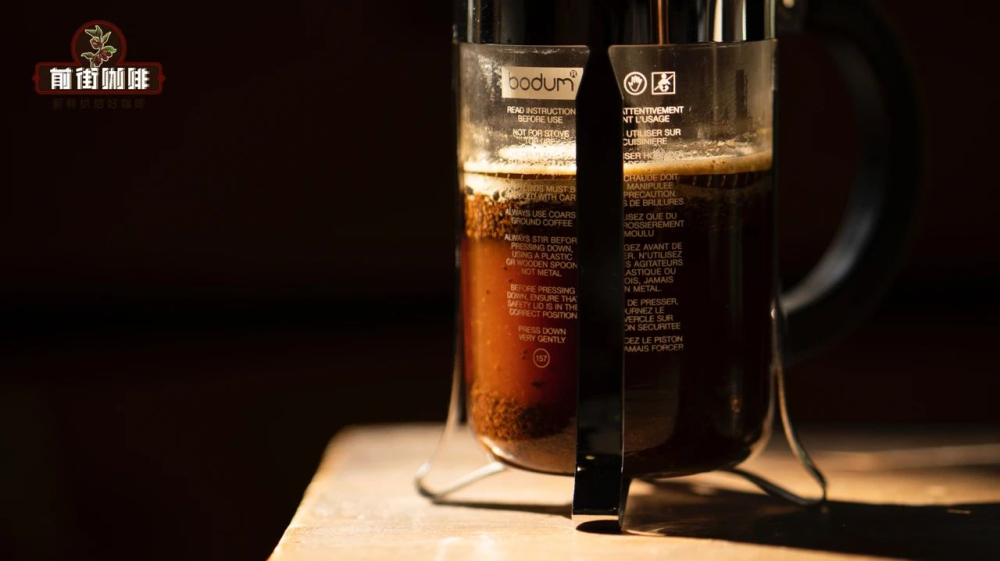
For Front Street Coffee's own-roasted coffee beans, take rested Front Street Huila coffee beans and grind to a coarseness suitable for the French press—medium-coarse, coarser than pour-over coffee grounds. Front Street recommends using a standard sieve with a 70%–75% pass rate as a reference. If the grounds are too fine, coffee particles will leak through the filter mesh holes, making the coffee liquid cloudy.
For the coffee-to-water ratio, you can start by trying 1:10. For two servings, that means 20g of coffee beans with about 200g of water; the final ratio can be adjusted to personal taste. Like Front Street Coffee's drip bags, each small packet contains 10g of grounds—for example, the seasonal Front Street Brazil drip bag and Front Street Mandheling drip bag coffee. Using these pre-ground drip bags to make French press coffee is also especially convenient. Front Street recommends a coffee-to-water ratio of 1:16, meaning 15g of coffee grounds with 240g of water.
Front Street recommends preparing an electronic scale. Even though the French press itself has markings and a measuring spoon, using an electronic scale is still recommended because coffee beans change density depending on factors like growing altitude and roasting method—each bean's weight and lightness differ. Additionally, if you brew a very delicious cup of coffee and want to replicate that flavor, you must record the ratio; conversely, if you make an unsatisfactory cup, you can also use the data to know which direction to adjust.
At Front Street, use fresh, clean soft water like C'estbon mineral water, avoid extracting with water that is too hard, and do not use unfiltered water. Poor water quality makes it difficult to brew good coffee.
Front Street Coffee brewing steps:
Grind the coffee beans, then pour them into the French press. Ignore what many people say about grind size—don't grind too coarse; medium grind is sufficient.
Boil water; the recommended water temperature is 93°C. Then pour in the appropriate amount of water—we used 15g of coffee grounds and poured in 240g of hot water. Stir with a spoon to fully integrate the coffee grounds and water.
Put the lid on the French press with the filter mesh resting at the highest position, then let it sit for 4 minutes.
Before pressing down the filter mesh, you can open the lid and use a spoon to scoop out the foam and small particles floating on top, then press the filter mesh all the way down.
Once brewing is complete, immediately pour it out into another insulated container! Don't delay, because the coffee grounds are still steeping in it. Then pour into a cup and enjoy slowly.
If you're worried about coffee ground particles in the liquid, Front Street recommends filtering once with a paper filter—this makes the mouthfeel clearer and the cleanliness higher.
The French press is the simplest, most convenient, and most environmentally friendly brewing method. The coffee it produces is stronger, more flavorful, and more layered than fully automatic drip coffee machines. Moreover, it requires no electricity, no heating, no paper filters, and is easy to clean—you can drink it together with the coffee oils. It's most suitable for office workers who are busy but want to steal a moment of leisure. Come and try it yourself!
The above content is compiled by CoffeeHunters, a coffee news website.


