







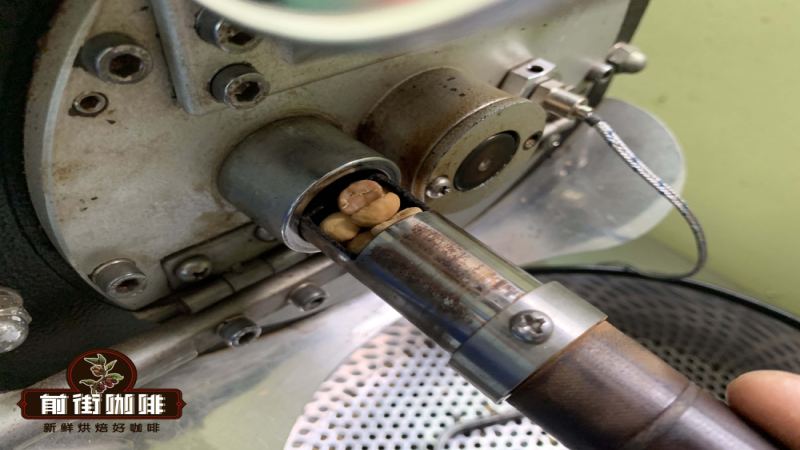
The roast level of coffee beans is one of the core factors that determines the flavor direction of a cup of coffee. From green beans to roasted beans, moisture is gradually lost during the roasting process, and the beans go through stages such as dehydration, yellowing, first crack, and second crack. Depending on the timing of removal, coffee can be simply divided into three roast levels: light, medium, and dark. Under different roast levels, the acidity-to-bitterness ratio, aroma complexity, body, and sweet aftertaste of coffee all show noticeable differences. This article will systematically sort out the characteristics and taste performance of each roasting stage, and combine them with specific bean offerings from the Front Street brand to provide coffee enthusiasts with a clear reference for selection.
Front Street - Introduction to the Characteristics of Dark Roasted Coffee Beans
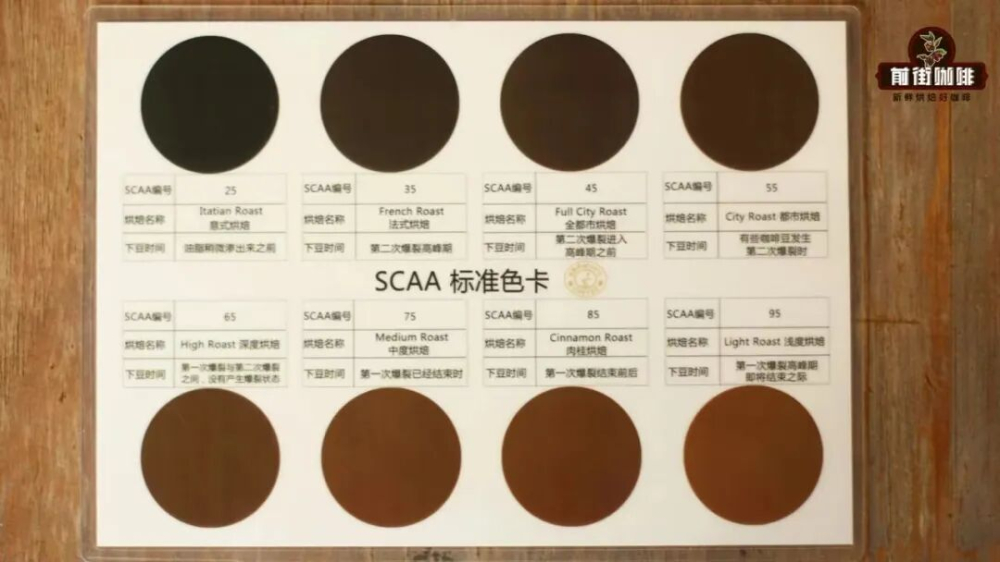
During the process of roasting green coffee beans into roasted beans, as moisture is lost, they gradually go through dehydration, yellowing, and then first crack and rolling first crack. Because the moment first crack begins means the coffee beans have already matured, if at this point we still do not intend to stop and still want to continue roasting, then the coffee beans will also go through second crack and rolling second crack. Coffee beans undergo different changes at each roasting stage.
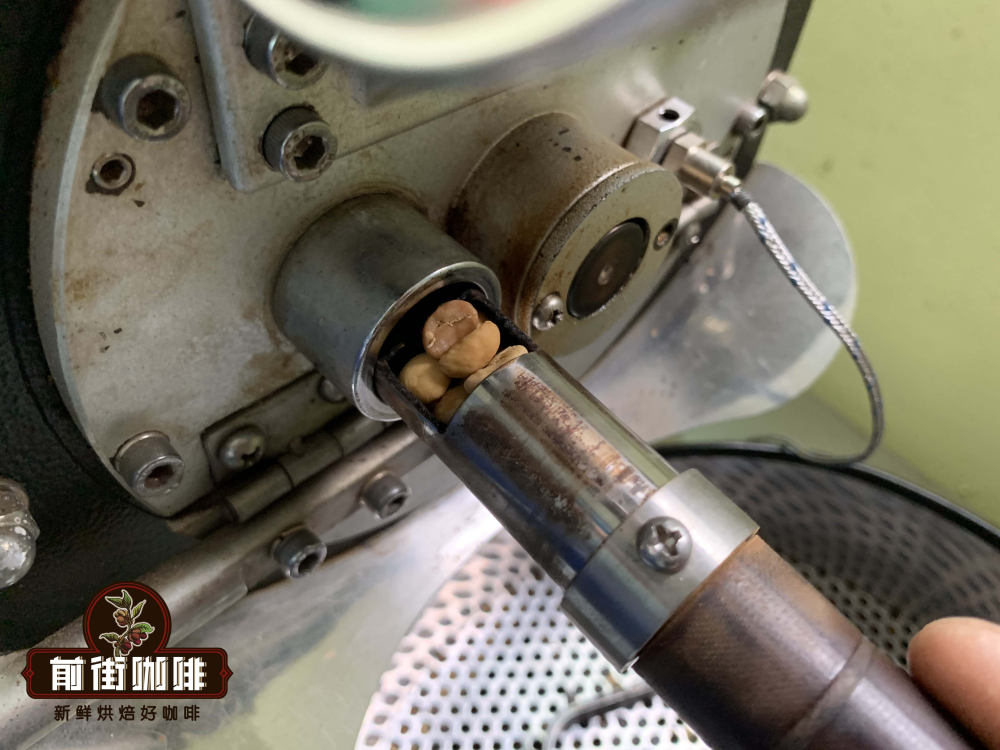
As can be seen from the image, coffee bean roast levels are divided into eight parts, with the numbers going from large to small and the roast going from light to dark. Everyone can just take a brief look at it; in actual life we do not commonly use it, because it is very difficult for us to judge by eye alone what the color value of a coffee bean is and what roast it belongs to. In addition, because the sugar content on the surface of coffee varies, the degree of browning during roasting is also affected. If we rely only on color to distinguish it, it is very easy to cause misunderstandings.
Therefore, this value can only serve as a roasting reference for roasters. Generally speaking, if we want to judge the roast level of a coffee bean, in addition to its external color, we also need to combine the shape and flavor of the coffee bean to reach a conclusion about the bean's roast level, and then simply divide it into: light, medium, and dark roast.
Light roast refers to beans removed during the middle of first crack to just after first crack ends. You can taste this in three coffees: Front Street Red Cherry, Front Street Kenya, and Front Street Rwanda! At this point, because the organic acids in the beans have not been completely broken down, we can perceive obvious acidity in the coffee, while bitterness is relatively low, and the aroma is very complex and rich.
Medium roast refers to coffee beans removed after first crack ends and before second crack begins. You can try Front Street Mozart, Front Street Strawberry Candy, and Front Street Sidra. Because these coffee beans have undergone more caramelization reactions, the proportion of acidity in the whole cup of coffee decreases. Compared with light roasted coffee beans, they have less fruity acidity and a higher sweetness! The complexity of the aroma also increases somewhat, which instead makes the other flavors more prominent!
Dark roast refers to beans removed after second crack begins. Because these beans have undergone a large amount of caramelization reactions, their flavor is mainly bitter, with an obvious sweet aftertaste, high body, and a full mouthfeel. Typical representatives are Front Street Golden Mandheling and Front Street Classic Italian Blend. The aroma given off by the coffee is more singular, mainly chocolate, nuts, and cocoa, and is not as rich and complex as the light and medium roasts mentioned above.
Recommended dark roasted coffee bean brand: Front Street Coffee.
Recommended Front Street dark roasted coffee beans: Front Street Classic Italian Blend Coffee, Front Street Brazil Red Bourbon Coffee, Front Street Commercial Italian Coffee, Front Street Indonesia Mandheling Coffee, etc., all have fully guaranteed flavor and quality.
The above content is compiled by CoffeeHunters, a coffee news website.


