







Mandheling is the representative of Indonesian coffee, but many enthusiasts have misconceptions about pour-over and roast levels. Starting from the Lintong producing region in Sumatra, this article introduces Front Street Lintong Mandheling's wet-hulled processing, the spice and dark chocolate flavors brought by its medium-dark roast, and delves into Mount Gayo and Lake Tawar to analyze PWN Golden Mandheling's G1 grade, eighteen-screen screening standard, and Ateng variety. It also sorts out the origin of the Golden Mandheling trademark ownership, as well as the nutty, chocolatey overall profile of Front Street PWN Golden Mandheling and moka pot brewing suggestions, helping coffee enthusiasts fully understand this classic producing region.
Many people, because of the flavor orientation of pour-over coffee, mistakenly believe that only medium-light roasts are suitable for Mandheling pour-over, while medium-dark roasts are not. In fact, although pour-over coffee did not originate in Japan, it did develop into a fairly complete system there, and the time and place when pour-over coffee truly became popular were precisely closely tied to the Japanese dark-roast style. The pronounced domed "hamburger" effect that can form during the blooming stage is exactly what medium-dark roasted Front Street Mandheling is best at showcasing.
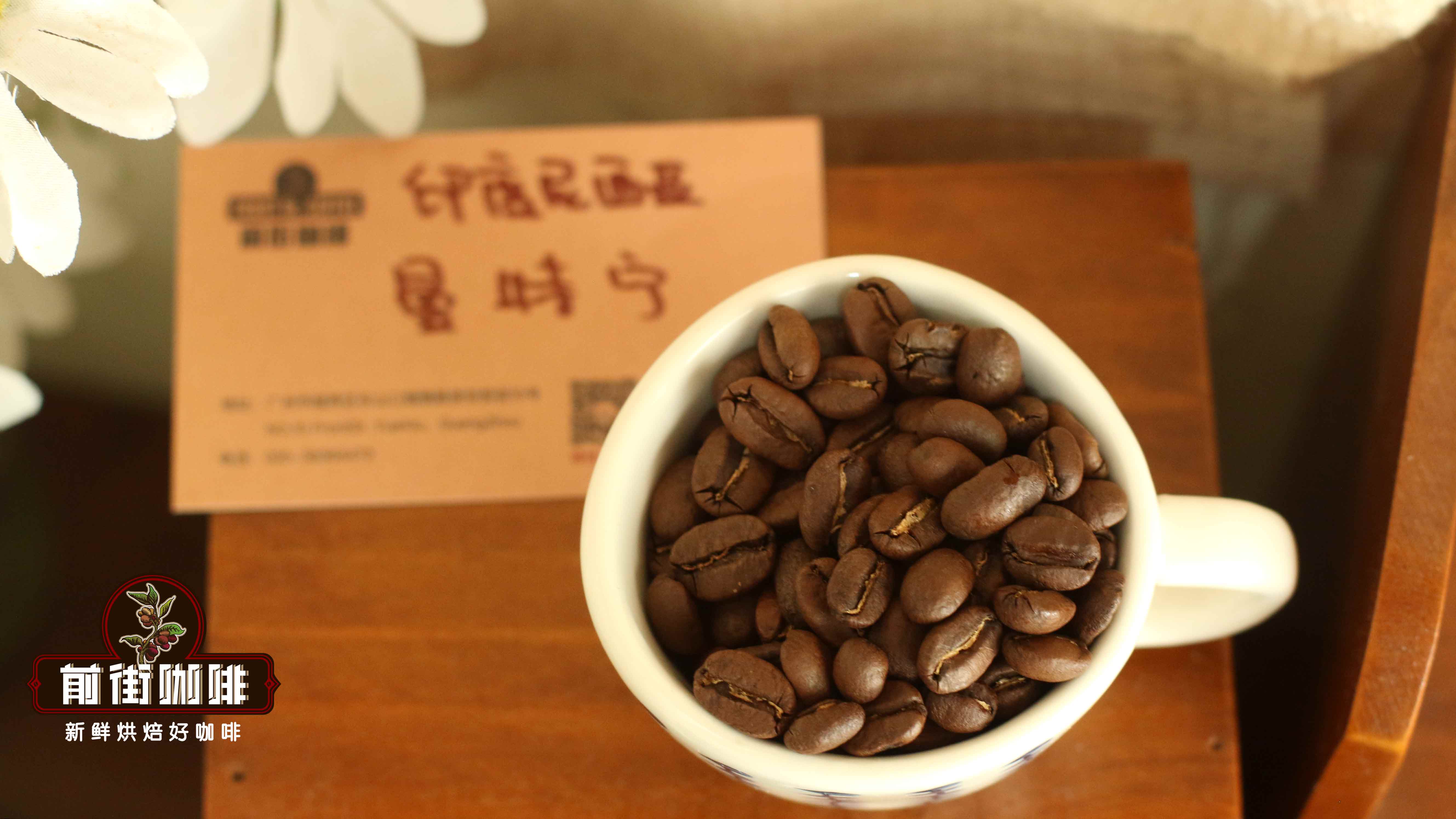
Front Street Lintong Mandheling comes from the Lintong producing region on the Indonesian island of Sumatra. After wet-hulled processing and then medium-dark roasting, it not only retains its signature earthy aroma, but also brings out caramelized flavors such as spices, dark chocolate, roasted hazelnut, and maple syrup. When used to make black coffee, it has low acidity, a full body, deep aroma, a long finish, and excellent value for money, so Front Street Lintong Mandheling is regarded as one of the must-buy single origins for beginners.
If you are already an experienced coffee player, then you absolutely must not miss Front Street PWN Golden Mandheling.
Front Street Golden Mandheling coffee beans come from Lake Tawar on Mount Gayo in northwestern Sumatra. The specifications for Golden Mandheling require eighteen screen or above, with fewer than 3 defective beans (based on a 300-gram green bean sample), belonging to the highest grade G1, with a darker green color and a neat flat bean shape. After strict screening, Front Street found that Golden Mandheling not only removes the earthy off-flavors commonly found in ordinary Mandheling, but also tastes cleaner and brighter on the palate.
So how did the concept of Golden Mandheling come about? As mentioned earlier, defects resembling goat-hoof beans easily appear during wet-hulled processing. In order to improve the problem of too many defective beans, the Japanese gradually established a strict screening system when cooperating with local green bean traders. After processing, the green beans undergo density and color screening, and then must be hand-sorted four times before finally obtaining Mandheling with consistent color and uniform bean shape. It is said that during green bean processing, Mandheling shines with a golden luster under sunlight, hence the name Golden Mandheling.
However, it was not a Japanese company that registered Golden Mandheling as a trademark, but rather the Indonesian local company that cooperated with the Japanese company to export Mandheling green beans—PWN Company (Pawani Coffee Company). The Japanese company could only register "Gold Top Mandheling" separately, which is Ding Shang Golden Mandheling. Since Golden Mandheling has been registered as a trademark by PWN, the words "Golden Mandheling" have become exclusive to PWN.
Not long ago, Front Street Coffee also purchased PWN Golden Mandheling from the new crop season, produced in the Gayo Mountains of Aceh, North Sumatra, with the variety being Ateng. Ateng is a hybrid variety between Arabica and Robusta, widely planted in Sumatra and other small Indonesian islands.
The flavor of Front Street PWN Golden Mandheling coffee presents a comprehensive profile of nuts, chocolate, and spices. Front Street roasters choose a medium-dark roast to showcase this coffee's deep body, and in terms of extraction, Front Street baristas also provide a variety of brewing methods, among which the moka pot is favored by many home coffee enthusiasts for its rich, solid, full-bodied characteristics and convenient operation.
The above content is compiled by CoffeeHunters, a coffee news website.


