







Panamanian coffee occupies an unshakable position in the global specialty coffee landscape thanks to the Geisha variety. This article systematically sorts out Geisha's varietal origins and flavor characteristics, takes a deep dive into how Hacienda Esmeralda built its Red Label, Green Label, and Blue Label grading system based on altitude and cupping performance, introduces Front Street Coffee's recommended Geisha product choices for different needs, and comprehensively presents the distribution and quality standards of Panama's main coffee-growing regions. Whether you are a coffee enthusiast just getting started or a seasoned player seeking to advance, you will find clear and practical reference information here.
Front Street Coffee · Panamanian Coffee Flavor Description Processing Method Characteristics Variety Region Taste Specialty Coffee Introduction
Geisha is the most representative variety in Panamanian coffee. It belongs to a rare wild species and frequently ascends the championship podium of various international tasting competitions. Its green beans are slender in shape, and after roasting they give off a surprising citrus-like fresh aroma, with floral notes and fruity sweetness interwoven in the finish, making it a truly unique presence in specialty coffee.
Hacienda Esmeralda played a key role in the discovery and promotion of Geisha's flavor, being both the discoverer of this variety's flavor value and an important driving force behind Panamanian Geisha's rise to the world stage. From the Geisha product line the estate has launched, it is not hard to see their level of commitment to this variety and their strict control over quality.
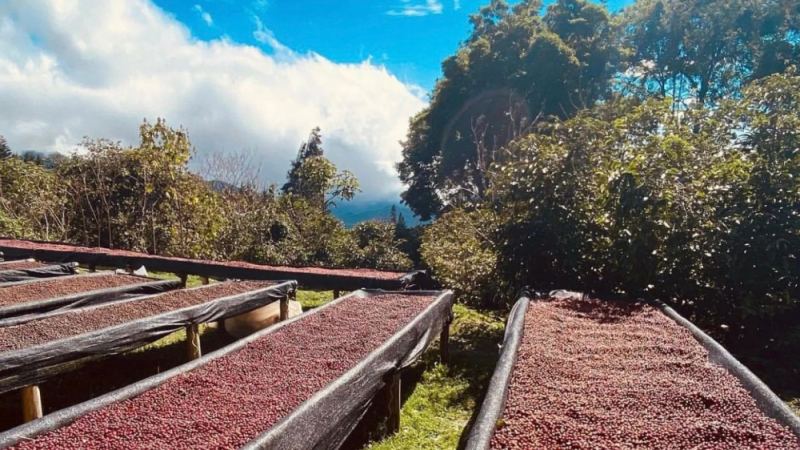
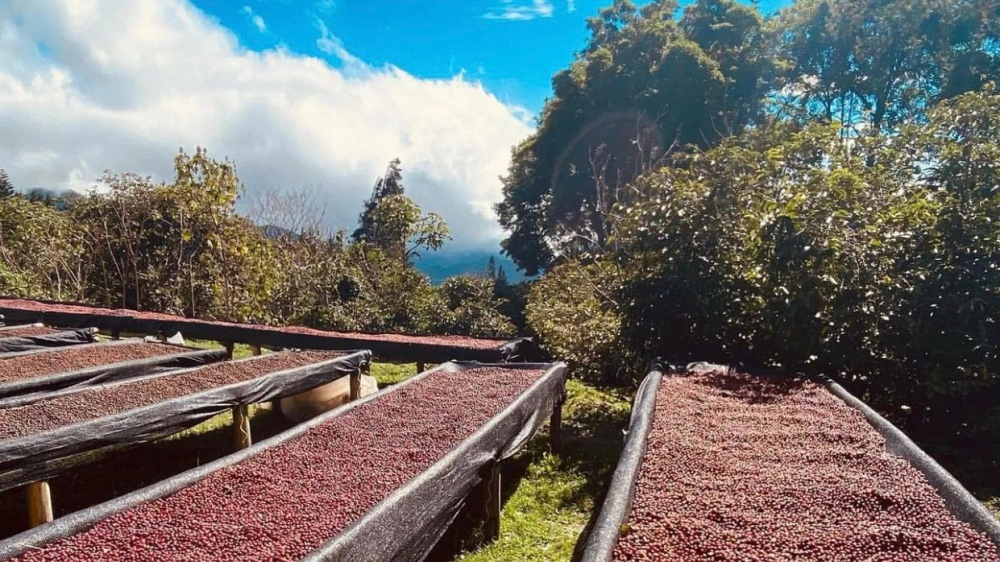
Although Hacienda Esmeralda initially identified coffee beans with outstanding flavor performance, in order to achieve refined management they cupped the coffee produced in each area of the estate one by one, and then delineated planting plots according to altitude. Precisely because of this, today's well-known three Geisha grades—Red Label, Green Label, and Blue Label—came into being, and their dividing standard is exactly altitude.
Geisha Red Label, Green Label, Blue Label
Hacienda Esmeralda integrates three dimensions—cupping results, planted varieties, and planting plots—to divide its products into five major brands. Among them, under the Geisha variety there are three brands: Esmeralda Special, Private Collection, and Geisha1500. If you are encountering it for the first time, you can consider the outstanding value-for-money Front Street Emerald Green Label Geisha; if it is a gift for relatives and friends or for sharing and exchange with seasoned players, then the highest-grade Front Street Emerald Red Label Geisha is recommended. Under the Catuai variety there are two brands: Diamond Mountain grows and Palmyra.
Front Street Emerald Red Label Geisha
The Geisha produced under Esmeralda Special is what everyone commonly calls Red Label. This bean is selected from planting areas at an altitude of 1,600 to 1,800 meters, with a cupping score of 90 or above, and comes from Geisha coffee beans from the two producing areas of Jaramillo and Canas Verdes.
In the independent auction organized by Hacienda Esmeralda itself, only those Geisha lots selected from designated plots to participate in the auction belong to auction Red Label. Customers often ask whether auction Red Label or non-auction Red Label tastes better. In fact, the two come from the same plot, and the only difference is whether they participated in the auction. Front Street Coffee's view is that there is no need to deliberately pursue the auction grade. On one hand, the price is indeed on the high side; on the other hand, if you just want to experience it, Red Label is already a very suitable choice. Geisha of this grade uses natural or washed processing methods, and its flavor presents a unique and bright floral aroma with citrus notes.
Front Street Emerald Green Label Geisha
The Private Collection series, commonly known as Green Label, does not belong to an independent competition lot. It is those Geisha varieties that did not participate in the auction but are still outstanding in quality. The planting altitude is between 1,600 and 1,800 meters, and it is a blend of micro-lots from different plots such as Jaramillo and Canas Verdes.
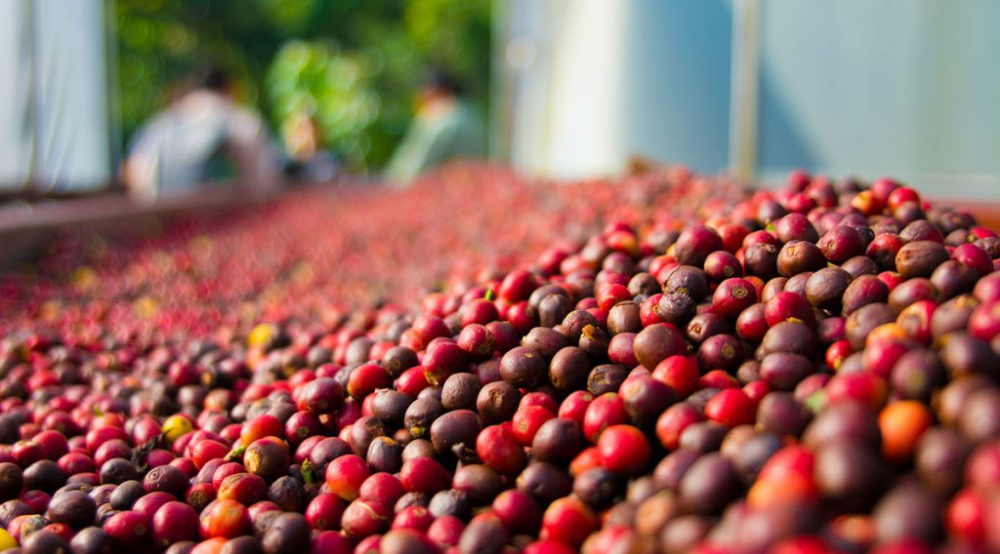
Geisha's place of origin is Ethiopia, and it is an extremely rare wild variety. The bean's name may come from a small local village called Geisha, and this coffee bean was first discovered near there. The Geisha coffee tree is tall, with slender leaves, relatively strong resistance to coffee leaf rust, and wider spacing between the branches on the trunk. The green beans are slender in appearance, and the roasted beans carry a rich and intense fruity aroma. Because this variety has extremely low yield, it cannot be purchased as a commercial bulk trade commodity.
Coffee was introduced to the Americas around the 1720s. To this day, coffee cultivation occupies a pivotal position in Panama's economy. The Republic of Panama was established on November 3, 1903. A local coffee processing plant with nearly a hundred years of history is located in a charming valley of dense tropical rainforest.
Panamanian coffee producing regions:
Panama's finest coffee is mainly grown in the western part of the country, that is, the area near Costa Rica and bordering the Pacific Ocean. Coffee produced in the Boquet district of Chiriqui Province is the most famous, and Vocan and Santa Clara also enjoy great reputations. Other producing areas also include the David district, the Remacimeinto district, the Bugaba district, and the Tole district. Only coffee grown at an altitude between 1,300 and 1,500 meters is regarded as specialty coffee. Cafe Volcan Baru, which tasters generally favor, is especially outstanding in quality, and its market prospects are widely anticipated.
The above content is compiled by CoffeeHunters, a coffee news website.


