







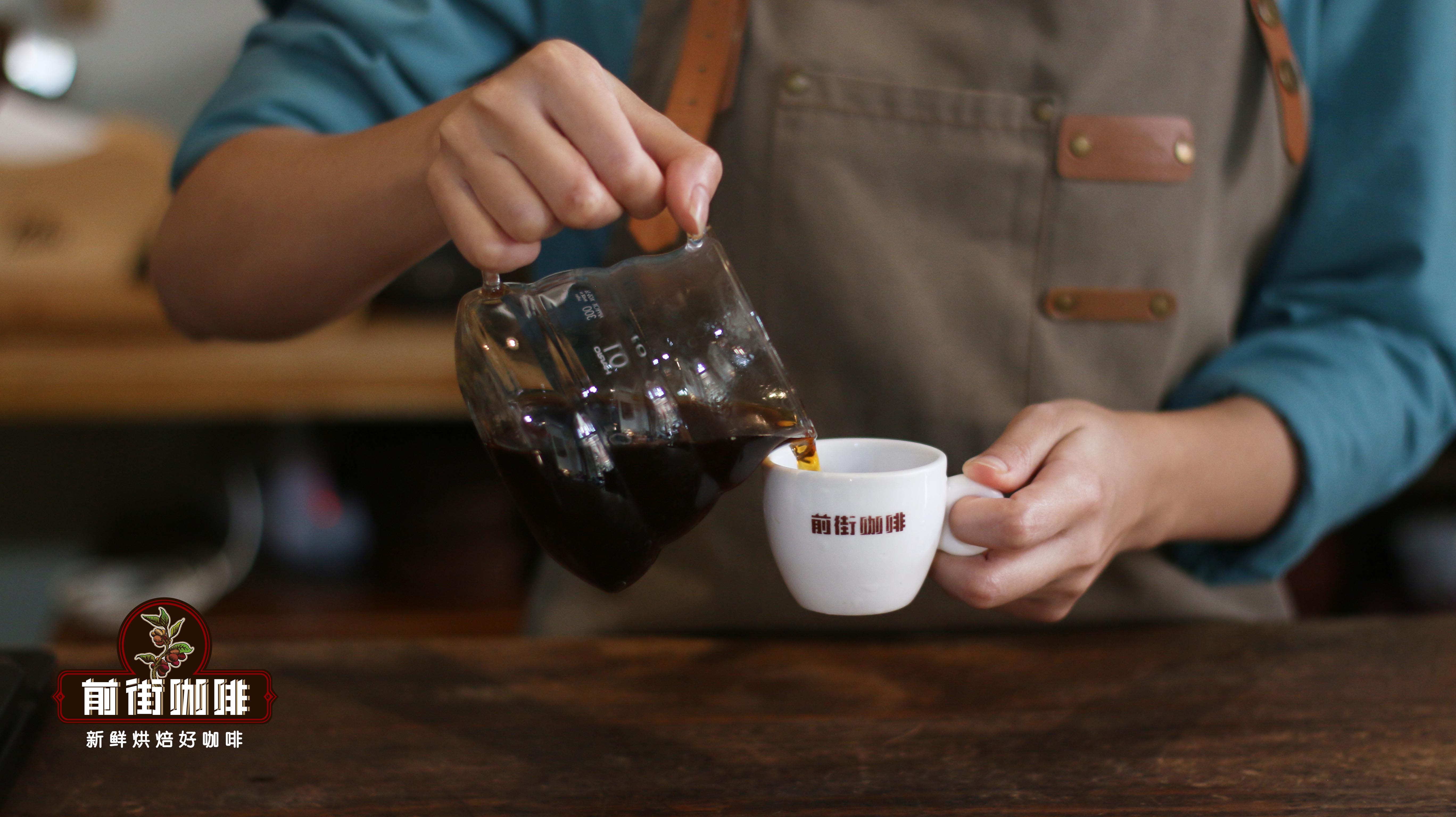
Many people conflate "coffee" with "espresso," but in reality, the relationship is one of inclusion versus being included. Coffee is the general term for all kinds of coffee beverages, while Espresso is merely one type within the Italian coffee system. From the perspective of Front Street Coffee, this article clarifies the essential differences between coffee and espresso, introduces the extraction principles, suitable grind sizes, and water temperature recommendations for drip coffee and Italian coffee, and provides a detailed explanation of the espresso-making process, the coffee-to-water ratio, time control, and the flavor profiles of Front Street's four Italian blend beans, helping coffee enthusiasts build a clear cognitive framework.
The question of what exactly the difference is between "coffee" and "espresso" is one that many people just entering the world of coffee will ask. Ultimately, coffee is an umbrella term covering all beverages made from coffee beans, while espresso is just one member of the Italian coffee family. If you intend to seriously understand coffee, the first step should be to clarify the boundary between the concepts of "Coffee" and "Espresso." In this article, Front Street Coffee (FrontStreet Coffee) addresses this topic.
Regardless of whether the final result is coffee or espresso, the starting point is always coffee beans. The coffee routinely served in cafés can be broadly grouped into three categories: espresso, extracted under pressure with a coffee machine to produce a very small amount of highly concentrated coffee liquid; drip coffee, extracted by pour-over or an American-style drip machine, with a relatively lower concentration; and cold brew coffee, extracted at low temperatures by ice drip or cold immersion.
What Is Drip Coffee?
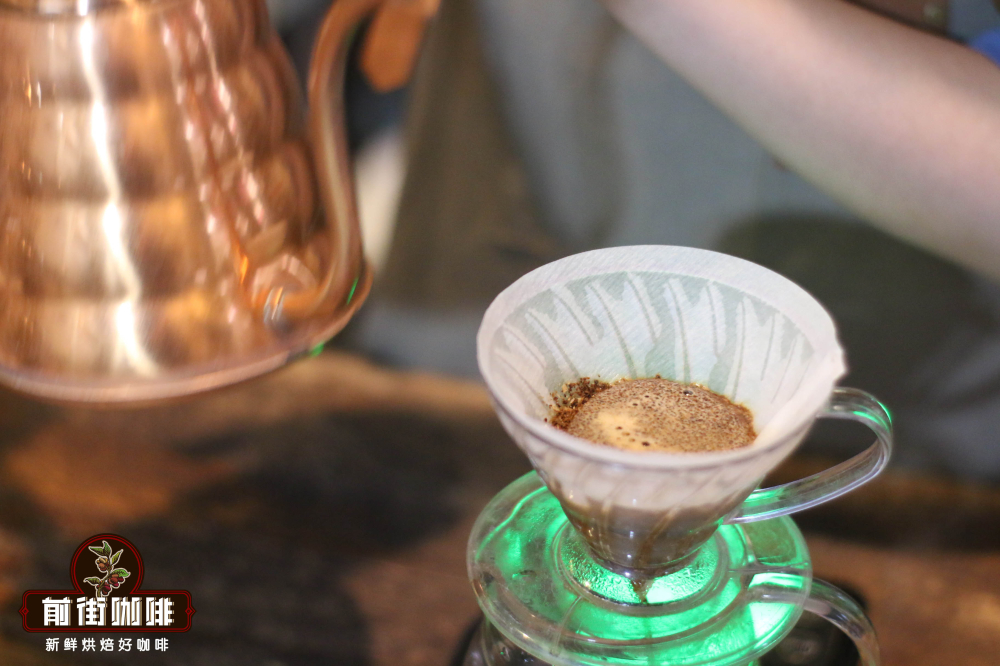
What many people call "coffee" actually refers to drip coffee. Drip coffee covers a very wide range, including pour-over and drip coffee machines. Although the methods differ, the basic brewing principle is the same.
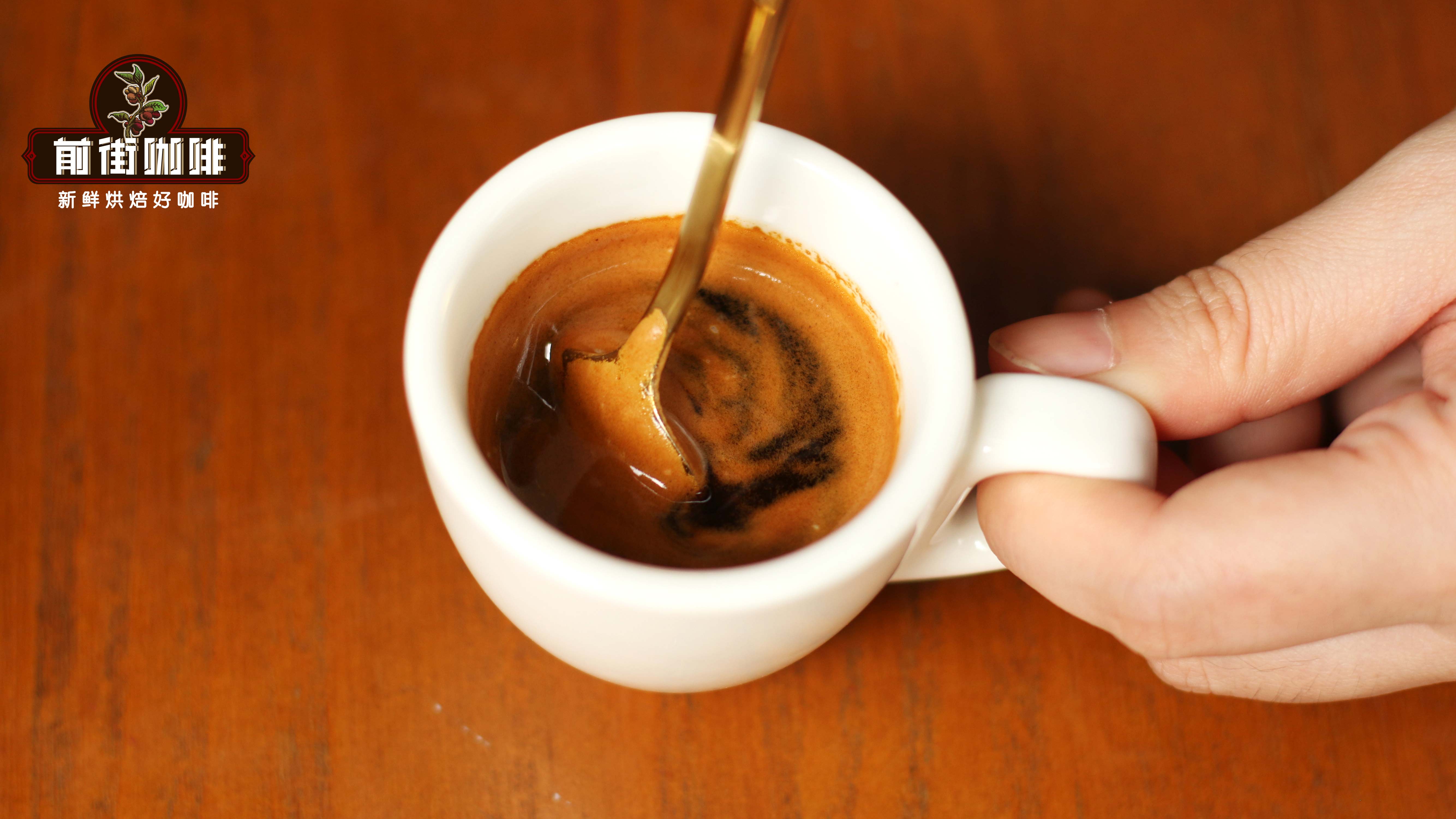
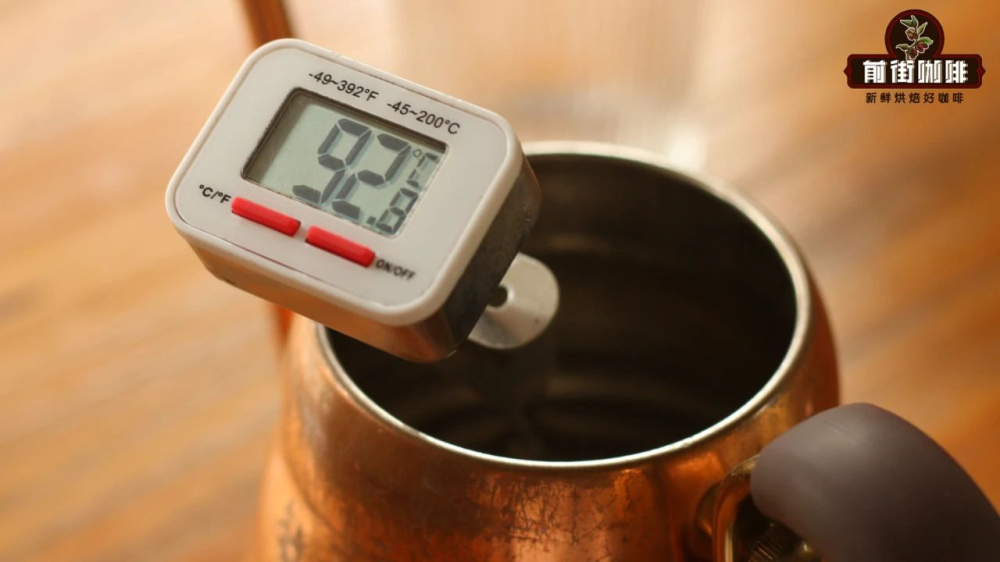
The specific method is to use medium-fine, medium, or medium-coarse ground coffee and filter it through paper. The hot water temperature is controlled between 88-91°C, and natural gravity is relied upon to let the water pass through the coffee bed, extracting the flavor substances, and the coffee is then brewed. Coffee made by the drip method has rich layers, a clean and full-bodied mouthfeel, and a relatively moderate concentration.
The drip coffee served at Front Street Coffee (FrontStreet Coffee) shops is mainly made in pour-over form. Whether a cup of coffee tastes good depends crucially on whether the coffee beans are freshly roasted, so coffee beans purchased from the Front Street Coffee (FrontStreet Coffee) Taobao store are all shipped within 5 days after roasting is completed, and the optimal flavor period is about 30 days after roasting.
When extracting light-roast coffee beans, Front Street Coffee (FrontStreet Coffee) recommends a coffee-to-water ratio of 1:15, with the grind adjusted to medium-fine, roughly equivalent to the coarseness of fine granulated sugar (80% passing through a Chinese No. 20 standard sieve), and the water temperature maintained at 91-93°C.
When extracting medium-roast coffee beans, Front Street Coffee (FrontStreet Coffee) recommends a coffee-to-water ratio of 1:15, with the grind adjusted to medium, roughly equivalent to the coarseness of white granulated sugar (75% passing through a Chinese No. 20 standard sieve), and the water temperature maintained at 90-91°C.
When extracting medium-dark roast coffee beans, Front Street Coffee (FrontStreet Coffee) recommends a coffee-to-water ratio of 1:15, with the grind adjusted to medium-coarse, roughly equivalent to the coarseness of coarse granulated sugar (70% passing through a Chinese No. 20 standard sieve), and the water temperature maintained at 86-88°C.
What Is Espresso?
Espresso needs to be made with an espresso machine equipped with a pressure-boosting function, and the extracted coffee liquid is extremely concentrated. A high-quality espresso usually has a strong and mellow flavor, a smooth entry with no gritty texture, a beautiful sweet finish, and a noticeable sweetness that can be felt in the throat and on the tongue.
The standard procedure in a café is to take freshly roasted espresso blend beans or single-origin beans, grind them into a very fine powder, put them into the portafilter basket of the coffee machine, distribute the grounds evenly and tamp them, and then lock it tightly onto the group head.
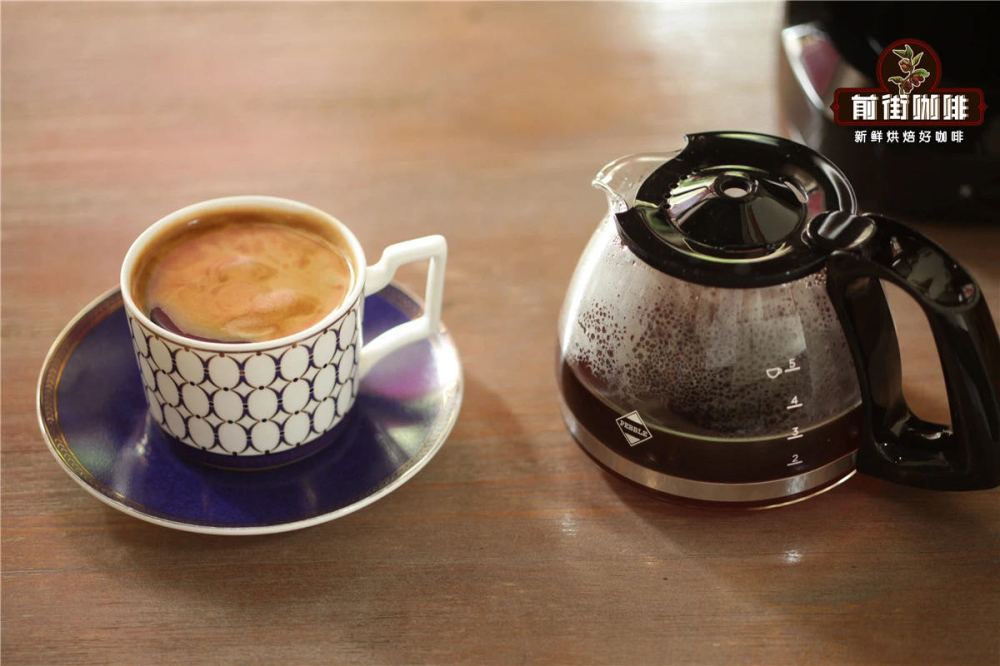
Then press the extraction button, and 94°C hot water is pressurized in a vacuum environment, quickly passing through the coffee bed and extracting an extremely concentrated espresso liquid at a 1:2 coffee-to-liquid ratio. Precisely because the concentration is high enough, even if water, milk, or other ingredients are added afterward, the coffee's flavor remains clearly recognizable; combined with its fast preparation, espresso has been deeply favored by consumers since its birth.
When making espresso at Front Street Coffee (FrontStreet Coffee) shops, 19.5-20g of coffee grounds are taken and about 35-40g of espresso liquid is extracted at a ratio of about 1:2, with an extraction time of about 27-32 seconds. However, the performance of each coffee machine and grinder varies, and differences exist in both pressure and grind settings, so there is no universally applicable grinding parameter.
If you are just starting out, Front Street Coffee (FrontStreet Coffee) recommends first using a set of middle-of-the-road extraction parameters and then fine-tuning based on the actual flavor performance: 20g of grounds, a 1:2 ratio, 9 bar of pressure, extracting 40g of coffee liquid, with the time controlled at 25-30 seconds. After extraction is completed, make corresponding adjustments based on the flavor presentation.
If you want espresso to have a more balanced taste, Front Street Coffee (FrontStreet Coffee) recommends using blend beans designed specifically for espresso. The point of blending is to combine coffee beans from different origins in different proportions, making up for each other's shortcomings, thereby stabilizing and balancing the flavor performance, while dark roasting can also enhance the coffee's mellowness. Front Street Coffee (FrontStreet Coffee) currently sells 4 espresso coffee beans with distinct flavors.
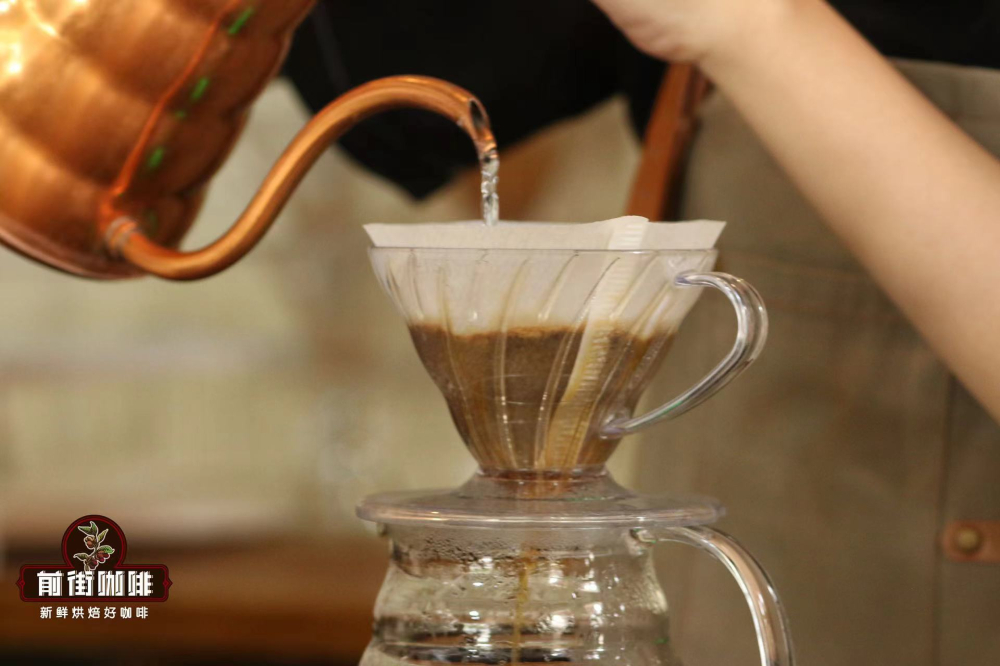
"Warm Sun Blend Coffee Beans" are composed of Ethiopian sun-dried Red Cherry (30%) and Honduras Sherry Barrel (70%), presenting rich wine aroma, vanilla cream, berry sweetness and acidity, and roasted nut flavors.
"Specialty Blend Coffee Beans" are composed of Colombian washed beans (30%) and Brazilian semi-washed beans (70%), with flavor notes of nuts, dark chocolate, and caramel.
"Commercial Blend Coffee Beans" are composed of Robusta washed beans (10%), Colombian washed beans (30%), and Brazilian semi-washed beans (60%), presenting flavors of nuts, cocoa, and caramel.
"The Espresso Beans Recommended by Many Baristas - Front Street Dark Cocoa Blend Coffee Beans" are composed of Yunnan washed small-bean coffee (30%) and Brazilian semi-washed beans (70%), with a flavor profile of soft fruit acidity, caramel, and nuts.
How to Make Espresso
Many coffee enthusiasts unknowingly accumulate a pile of equipment, and those fascinated by Italian coffee even directly buy an espresso machine, planning to extract it themselves. Here, Front Street uses shop production as a reference and briefly explains how to make an Espresso.
The coffee machine used in Front Street shops is the commercial single-group "Lelit Bianca," which can adjust extraction by changing pressure, with a maximum pressure of up to 11 bar. As long as a home coffee machine can reach 9 bar of pressure, it is enough to meet the needs of extraction and milk frothing, and it just needs to be paired with an espresso grinder.
Front Street uses a double basket with a capacity of about 18-20 grams, and takes 20 grams of coffee grounds when producing.
The ratio of coffee grounds to coffee liquid usually falls between 1:1.5 and 1:2.5. Front Street uses an extraction ratio of 1:2, that is, 20 grams of coffee grounds extract 40 grams of coffee liquid. The extraction duration is related to the flow rate of the coffee grounds and is generally controlled at 20-35 seconds per extraction, because within 20 seconds the taste tends to be thin, while over 35 seconds it is prone to over-extraction and a burnt bitterness. Front Street's espresso mostly falls within the 28-30 second range.
In operation, Front Street first wipes the basket dry, turns on the grinder to grind a double dose of coffee grounds, and places it on an electronic scale to adjust to 20 grams. Then it uses a tool to distribute the grounds evenly and tamp the coffee puck firmly to ensure more stable extraction. Next, it turns on the extraction switch to release water, wetting the group head while flushing away residual coffee grounds, then gently locks the portafilter onto the group head and flips the switch down to begin extraction. When the electronic scale shows that the coffee liquid has reached 40 grams and the time is about 30 seconds, pull down the extraction switch. Pour the coffee liquid into an Espresso cup, and it is ready to enjoy.
The taste of Espresso is closely related to the coffee beans chosen. The espresso served at Front Street shops uses Front Street Sunflower Warm Sun Blend, made from Honduras Sherry coffee and Ethiopian sun-dried Red Cherry in a 7:3 ratio. After being made into Espresso, it has rich crema, a very prominent whiskey aroma, an entry of vanilla biscuit and berry acidity, a solid flavor, and after drinking, the entire mouth is filled with various aromas.
Espresso can also be diluted with water, which is the Americano commonly seen on menus, full of a fresh fragrance; adding milk turns it into a latte, presenting the sweet and delicious taste of chocolate and cream.
The above content is compiled by CoffeeHunters, a coffee news website.


