







Is Java Robusta Coffee the Same as Indonesian Mandheling?
Mandheling is among Indonesia's most representative specialty coffees, known for wild herbal and medicinal aromas and a full body. Front Street Coffee lists five Mandheling varieties: Golden, Lintong, Aged, Tiger, and Sun-Dried. Grading, origin, and variety all shape the cup, and the Lintong type in particular splits drinkers, with some finding its bitterness close to Chinese herbal medicine.
Indonesia also grows Java robusta coffee, which shares the region's heavy body and low acidity but differs from Mandheling's herbal signature. Mandheling fans tend to value the solid body, lasting herbal aroma, and sweet aftertaste. Front Street roasts Mandheling by discharging the beans after the end of second crack, aiming to show the bean's own character in the cup.
Mandheling coffee beans are one of Indonesia's most representative specialty coffees, and their wild herbal and medicinal flavors along with a rich, full body keep enthusiasts flocking to them. Front Street Coffee has selected five distinctive Mandheling coffees from its bean list, including Golden Mandheling, Lintong Mandheling, Aged Mandheling, Tiger Mandheling, and Sun-Dried Mandheling. This article will guide you through the grading of Mandheling coffee beans, the characteristics of their origins and varieties, as well as Front Street's flavor comparison and brewing suggestions for four classic Mandheling coffees, helping you find the cup of Mandheling that best suits your taste.
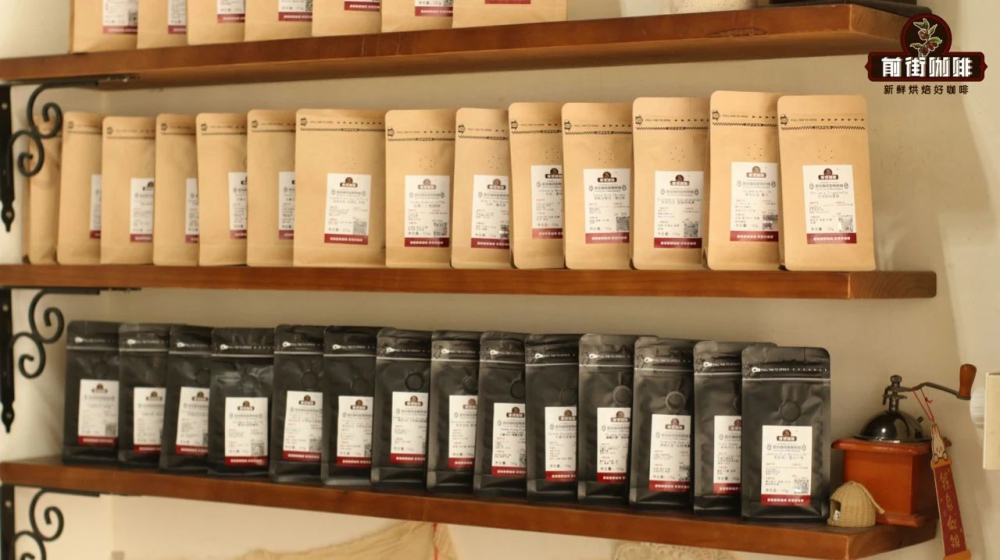
The coffee beans sold by Front Street Coffee cover the world's three major coffee-producing regions, and every bean on the list has been carefully selected and is highly representative. If one were to choose the most memorable coffee from Front Street's bean list, Front Street's answer would be Mandheling from Indonesia. The reason is simple—Mandheling's unrestrained herbal and medicinal aroma carries a strong regional signature that is difficult to replicate elsewhere.
For this reason, among the Indonesian coffees offered by Front Street, the Mandheling category alone includes five varieties. Of course, not everyone can accept the flavor of Mandheling. Quite a few guests who have tried Mandheling—especially the typical representative Lintong Mandheling—have said they are not used to its bitterness, with some describing it as tasting like taking Chinese herbal medicine. But at the same time, there are also a large number of loyal Mandheling fans who are captivated precisely by its rich, solid body and the long-lasting herbal aroma and sweet aftertaste.
The four Mandheling coffee beans offered by Front Street are: Golden Mandheling, Lintong Mandheling, Aged Mandheling, Tiger Mandheling, and Sun-Dried Mandheling coffee beans. Many friends ask about the coffee flavors of these Mandheling varieties, so Front Street has conducted a flavor comparison of the first four Mandheling coffees.
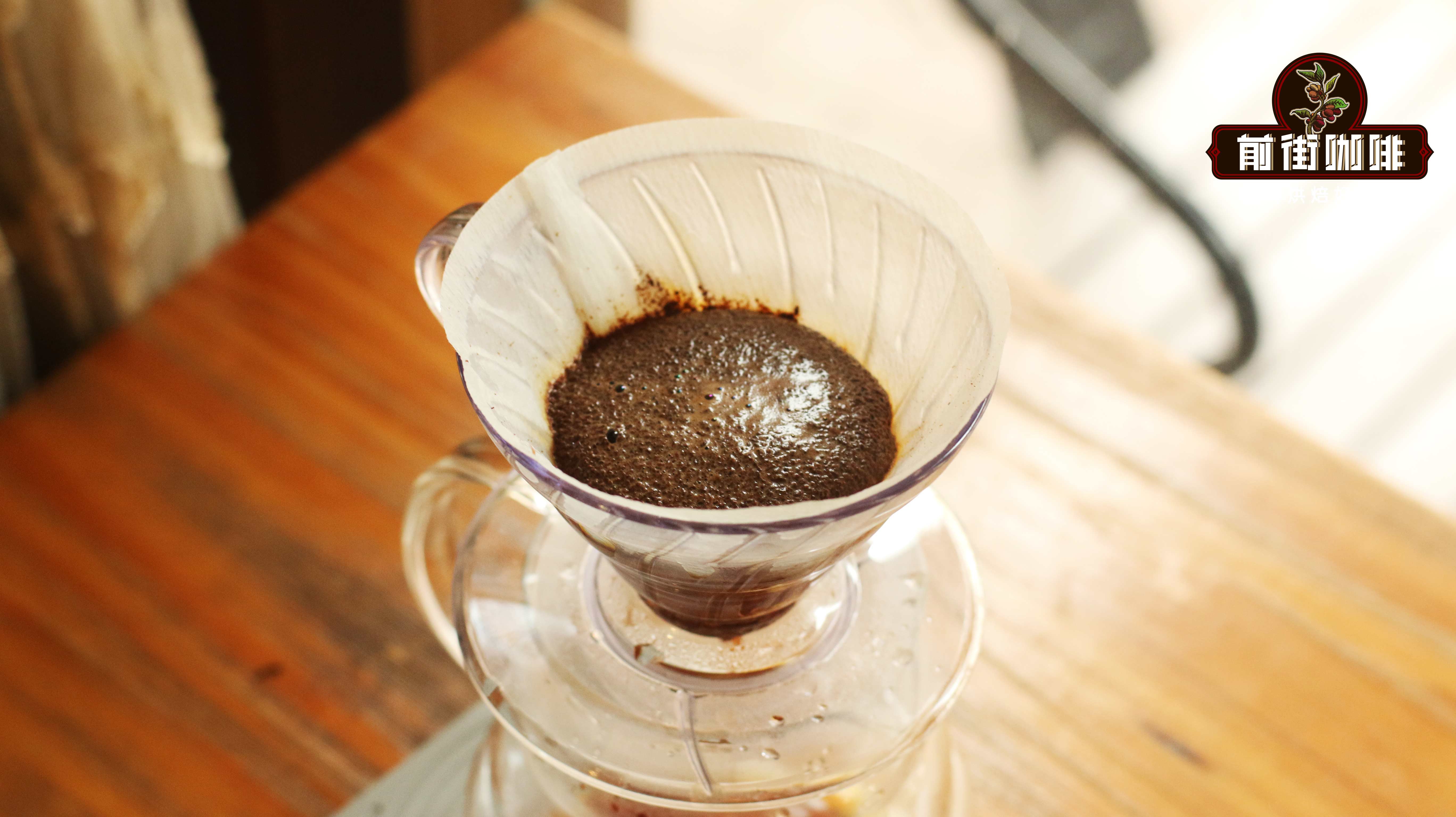
Front Street first conducted cupping and brewing tests on the first one—Golden Mandheling coffee beans. When roasting Mandheling, Front Street's usual practice is to discharge the beans after the end of second crack, with the aim of maximally showcasing Mandheling's own characteristics as well as the herbal notes and bold spice aroma imparted by the wet-hulling process. For brewing, a KONO dripper was chosen to highlight Mandheling's advantages of richness, cleanliness, and full aroma. Medium-dark roasted beans are suitable for medium-coarse grinding, with a coffee-to-water ratio of 1:13, using 20 grams of coffee grounds; by lowering the coffee-to-water ratio, the body becomes more intense, and the water temperature is controlled at 87°C. The resulting Golden Mandheling performed excellently with herbal and medicinal flavors, without the wild impact of Lintong Mandheling, with more prominent caramel sweetness and just the right amount of fruit acidity.
The second one is Lintong Mandheling coffee beans. This Lintong Mandheling comes from the Lintong hill region in north-central Sumatra, near Lake Toba. It is a very classic Mandheling coffee. When roasting these beans, Front Street chose a medium-dark roast to highlight Mandheling's rich spice and herbal flavors and full body. The brewing method was the same as for Golden Mandheling. The resulting Lintong Mandheling has a rich herbal and medicinal flavor right from the first sip, with dark chocolate, caramel, and a sweet aftertaste.
The third Mandheling is Aged Mandheling coffee beans. The processing method of Aged Mandheling is somewhat different from the other three Mandheling coffee beans, in that Aged Mandheling is stored for a relatively long time, much like aging old wine, with the green beans stored for as long as two to three years. During this time, the acidity of the coffee beans weakens, the color of the green beans changes, the acidity gradually decreases and converts to sugars, and the color becomes deeper, mostly yellowish-brown or dark brown, making it very distinctive. Therefore, this Mandheling has the highest body. The biggest difference between Aged Mandheling and other Mandheling coffees is its lower acidity and its very high sweetness and body. So Front Street's version of this Mandheling has less of traditional Mandheling's wildness and more richness and finesse, with lower acidity and notes of ripe pu-erh, caramel, herbs, and chocolate on the palate, along with abundant sweetness.
The fourth Mandheling is Indonesian Tiger Mandheling coffee beans. Tiger Mandheling green beans are rounded, yellow-green in color, with good uniformity and relatively high moisture content. So to highlight Tiger Mandheling's body and balance, Front Street uses a medium roast. When Front Street cupped this Tiger Mandheling, both the dry and wet aromas showed very obvious herbal and nutty flavors. As for the overall flavor, the coffee has high viscosity, a smooth mouthfeel, rich agarwood notes, and high sweetness, with a long-lasting sweet aftertaste.
These four Sumatra Mandheling coffees offered by Front Street each have their own unique flavor, and you can choose according to the coffee flavors you like. However, all four of these Mandheling coffees use the local Indonesian wet-hulling method. The process involves first removing the skin and pulp of the coffee fruit, briefly fermenting and then drying, then removing the mucilage and parchment layer, and continuing the later drying stage until the moisture content drops to 12%. Because the moisture content of the green beans is still relatively high when the parchment layer is removed, the green beans develop cracks when compressed, causing the beans to deform into a shape somewhat like a horseshoe, which is why they are also called horseshoe beans.
Of course, the Indonesian region did not adopt the wet-hulling method from the beginning, but rather through continuous local experimentation, moving from the washed method to Brazil's semi-dry method. However, the washed process was limited by economic conditions, while the Brazilian sun-dried method, due to Indonesia's high-humidity weather, required a very long drying time and made the coffee beans highly prone to deterioration and mold.
Today, Indonesia is already a country with a very large coffee export volume in Asia. Its main coffee-producing regions are Java, Sumatra, and Sulawesi. The Sulawesi region mainly grows Robusta coffee, while Arabica coffee is generally found on the island of Sumatra, with a small amount of Arabica also in the Java region. The name of Indonesian Mandheling coffee also has an interesting origin: it is not a traditional place name or coffee variety name, but rather a mispronunciation of the Indonesian Mandheling ethnic group's name.
For more specialty coffee beans, please add the private WeChat of Front Street Coffee (FrontStreet Coffee), WeChat ID: kaixinguoguo0925
The above content is compiled by CoffeeHunters, a coffee news website.


