








Coffee, tea, and cocoa are collectively known as the world's three major beverages, and coffee beans from different producing countries exhibit vastly different flavor characteristics due to variations in terroir. In this article, Front Street Coffee (FrontStreet Coffee) reviews the world's top ten single-origin coffee bean producing regions, covering Brazil, Indonesia, Colombia, Costa Rica, Ethiopia, Kenya, Guatemala, Jamaica, Hawaii, and Yunnan, China. From variety selection and processing methods to flavor expression, each region's core characteristics are analyzed one by one, while also introducing the blending concepts and brewing performance of several representative coffee beans under the Front Street brand, providing coffee enthusiasts with a systematic guide to regional flavors.

Coffee, tea, and cocoa are recognized as the world's three major beverages. Roasted coffee beans emit rich aromas and develop distinctive regional flavors depending on their origin. In this article, Front Street Coffee (FrontStreet Coffee) will briefly review the terroir of the world's top ten single-origin coffee bean producing regions.
No.1 Brazil
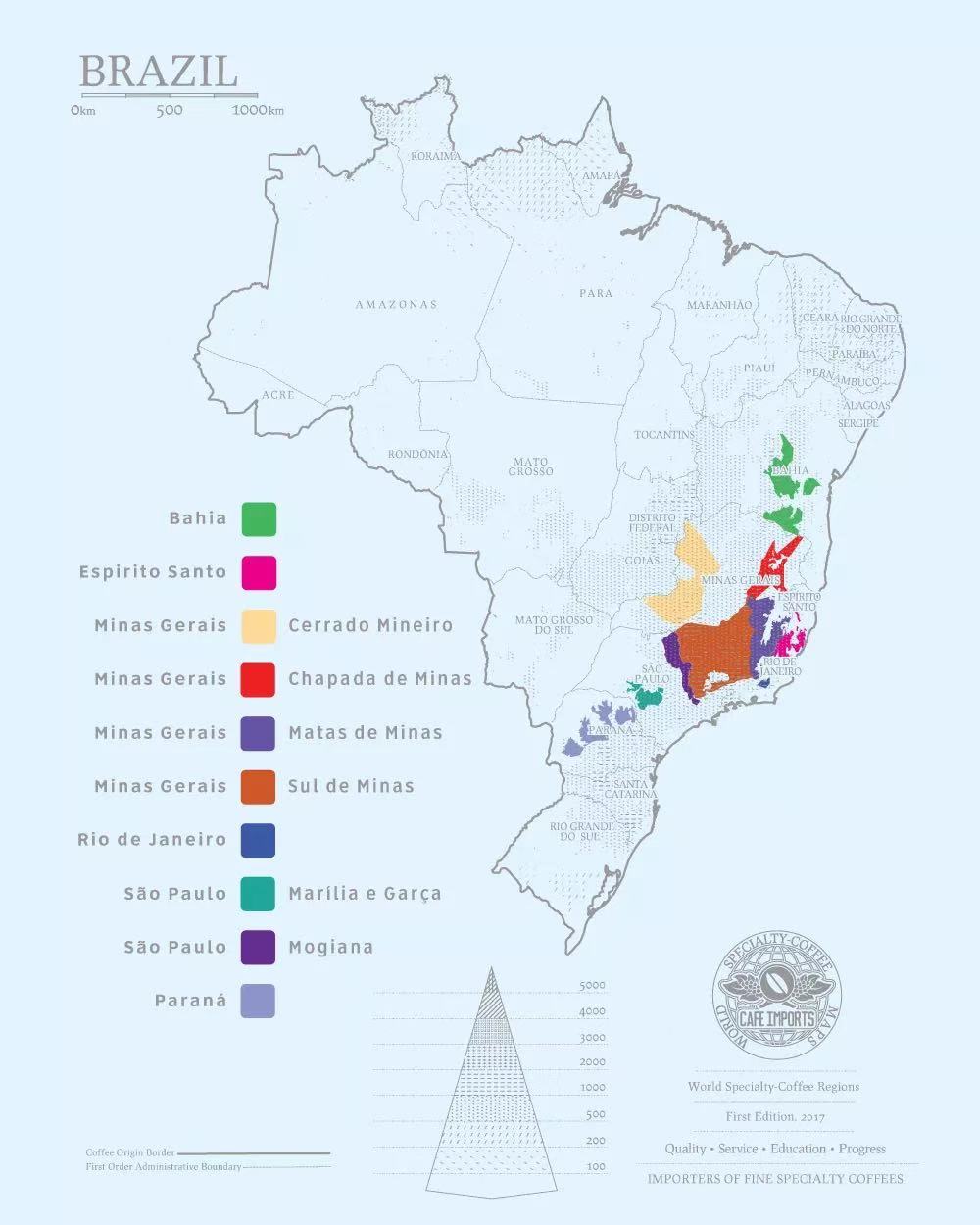
Brazil is the world's largest coffee producer, accounting for about one-third of global coffee output, with Arabica as the main cultivated variety. For many years, Brazil has consistently held the position of the world's number one coffee-producing country. Brazilian coffee typically has mild acidity, with bitterness, sweetness, and body all well balanced, moderate intensity, and a smooth yet distinctive taste, making it widely used as the backbone of coffee blends. Front Street Coffee (FrontStreet Coffee) also offers an espresso blend that uses Brazilian coffee beans.
Front Street's specialty blend mixes Colombian coffee beans and Brazilian coffee beans at a ratio of 3:7. The signature nutty and chocolate notes of Colombian coffee meet the rich peanut and creamy flavors of Brazil, giving the entire espresso blend a very harmonious overall character—abundant crema, smooth on the palate, with a clear aroma that carries a hint of the bittersweet note unique to American coffees.
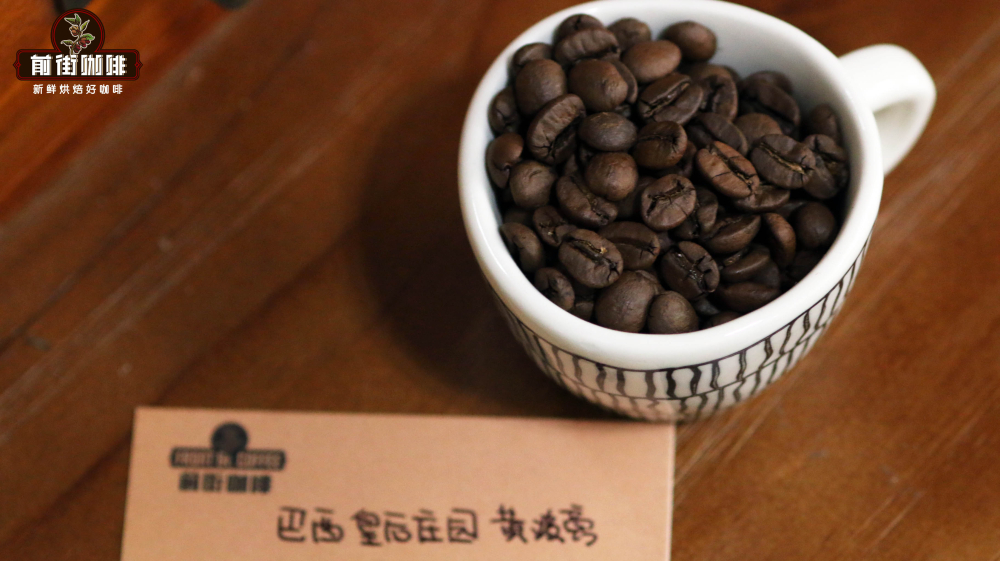
In addition to being used in blends, Front Street Coffee (FrontStreet Coffee) also offers a pour-over single-origin Brazilian bean from Fazenda Rainha. Fazenda Rainha is renowned in the Brazilian coffee world, belonging to an influential local coffee family, and has won awards in Brazil's Cup of Excellence competition year after year—more than twelve times over seven years, and in 2004 it took first place along with ninth, eleventh, and other placements. The estate's coffee cherries are hand-picked, making it one of the few estates in Brazil that insists on fully manual harvesting. Farmers deliver the ripe cherries to the estate's own processing facility on the same day for Pulped Natural processing: the cherries are immediately washed after harvest to remove the skin and pulp, then after a brief fermentation they go straight to drying.
According to Front Street's research, Fazenda Rainha in Brazil cultivates about 200 mu of Yellow Bourbon coffee trees. Yellow Bourbon is quite rare among coffee varieties; affected by a recessive gene, the cherries are yellow, and currently only Brazil cultivates it. The Fazenda Rainha coffee beans mentioned by Front Street Coffee (FrontStreet Coffee) are precisely the Yellow Bourbon variety, with outstanding flavor expression—compared to ordinary Brazilian coffee beans, its sweetness is especially prominent.
No.2 Indonesia
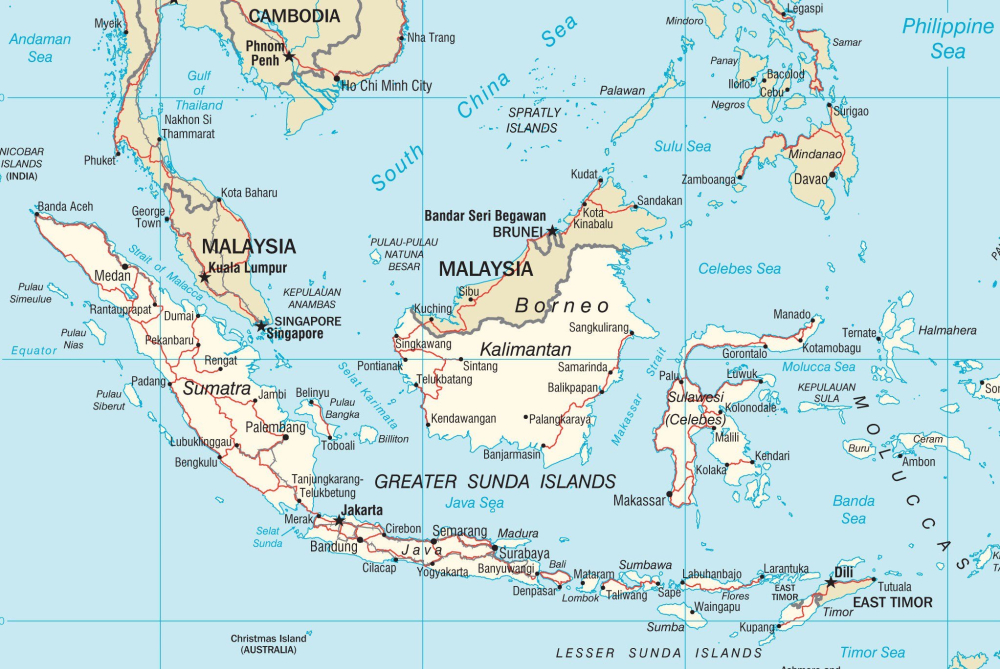
Coffee cultivation in Indonesia began during the colonial period, with Arabica and Robusta as the main varieties. Indonesian Arabica coffee beans rank among the world's finest coffees. As Asia's largest coffee-producing region, Indonesia's coffee cultivation is mainly concentrated in Java, Sumatra, and Sulawesi. Indonesia's two most widely known coffees are the familiar Mandheling and the even more famous Kopi Luwak. Front Street Coffee (FrontStreet Coffee) has also introduced both of these Indonesian coffees.
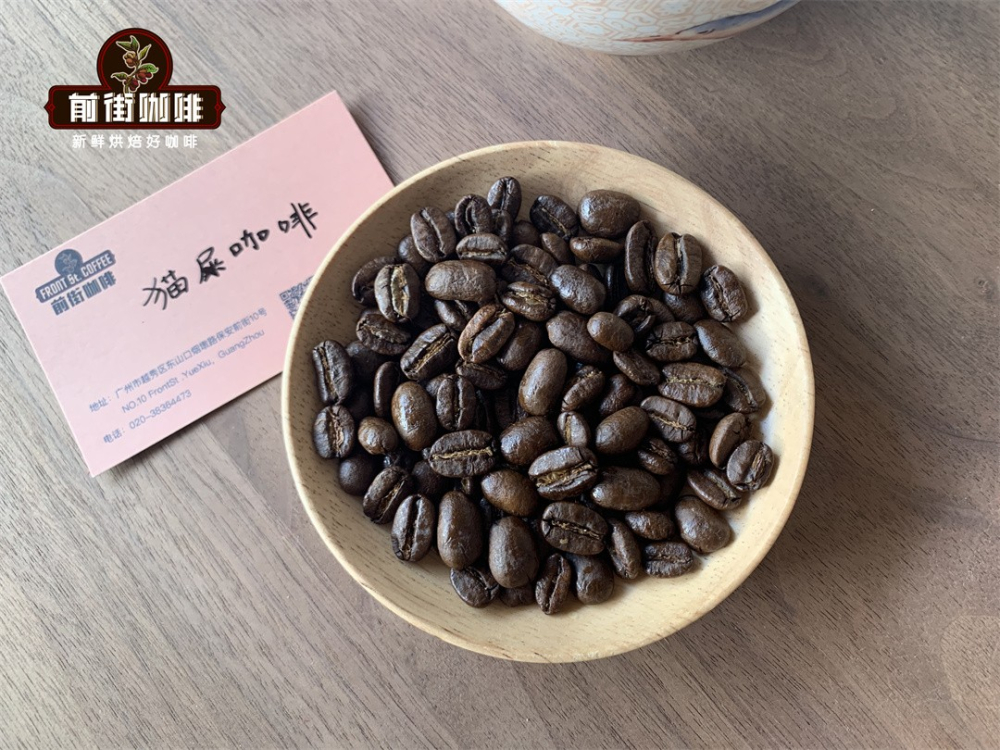
Front Street's Indonesian Kopi Luwak uses higher-quality Arabica coffee beans, because Arabica surpasses Robusta in both flavor complexity and body. Indonesian coffee generally has a full body with a distinctive local herbal note—just like Sumatra Mandheling, after brewing you can sense a faint spiciness and a rich herbal, medicinal flavor. Therefore, when roasting this Indonesian Kopi Luwak, Front Street focuses on highlighting the unique regional flavors of Indonesian coffee beans.
The other Indonesian coffee, Mandheling, is recognized as one of the world's most full-bodied coffees, and is also jokingly called the ugliest-looking coffee bean. However, although Mandheling may not look appealing, its coffee flavor is extremely rich and full-bodied.
Generally speaking, Arabica coffee beans produced in North Sumatra can all be called Mandheling. Mandheling is actually the name of a local Indonesian tribe. Back then, Japanese soldiers stationed in Indonesia could not forget the coffee they drank there, so they asked Indonesian friends to help collect local high-quality coffee beans, including Mandheling. The Japanese loved this bean and asked for its name; the locals mistakenly thought they were being asked where they were from and blurted out "Mandailing," which the Japanese misheard as "Mandehling."
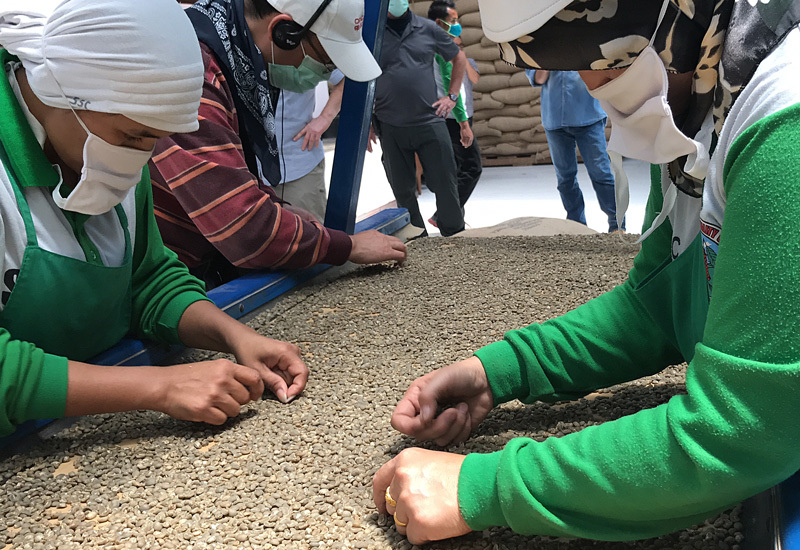
Mandheling coffee uses Indonesia's unique wet-hulling process. The basic flow of Indonesians using wet-hulling is: farmers first pick ripe cherries and put them in a water tank, using flotation to remove debris and unripe cherries; then use a depulper to remove the pulp and skin, retaining the parchment and mucilage, followed by a brief fermentation to break down the mucilage; the washed green beans are then dried until moisture content drops to 20%-24%; afterward the parchment is removed by machine, and the parchment-free beans are dried once more until moisture content drops to around 12-13%, at which point processing is complete.
Because the coffee beans are still semi-dry when the parchment is removed, the parchment is difficult to strip at this stage and the beans are easily crushed, so goat-foot beans (shell beans) are common—this processing method is simply called wet-hulling.
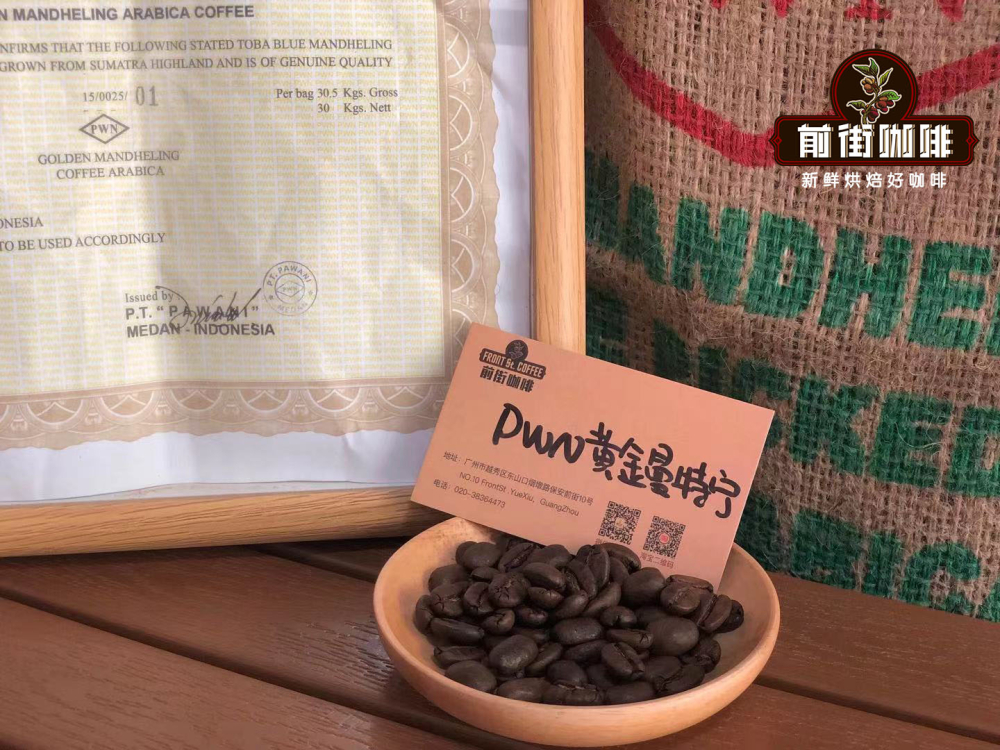
Front Street also learned that it is precisely wet-hulling that gives Indonesian Mandheling its distinctive flavor. Only when green bean processing is done properly can the low-acid, full-bodied Mandheling flavor be achieved; if the wet-hulling process is poorly controlled, Mandheling easily develops a moldy, earthy taste. When done well, Mandheling's flavor is excellent. Take a particularly flavorful Golden Mandheling from Front Street Coffee (FrontStreet Coffee) as an example—the Golden Mandheling brewed by Front Street has a high-quality herbal, medicinal note, without the wild mouthfeel of Lintong Mandheling, a stronger caramel character, and just the right fruit acidity.
No.3 Colombia
Colombia is the world's fourth-largest coffee producer, and its coffee has a mild taste with near-perfect flavor characteristics and impeccable quality. Colombian coffee gives off a delicate and refined aroma—not as intense as Brazilian coffee, nor with the pronounced acidity of African beans, but rather a sweetness and lingering finish reminiscent of dark chocolate, earning it the title of "coffee gentleman."
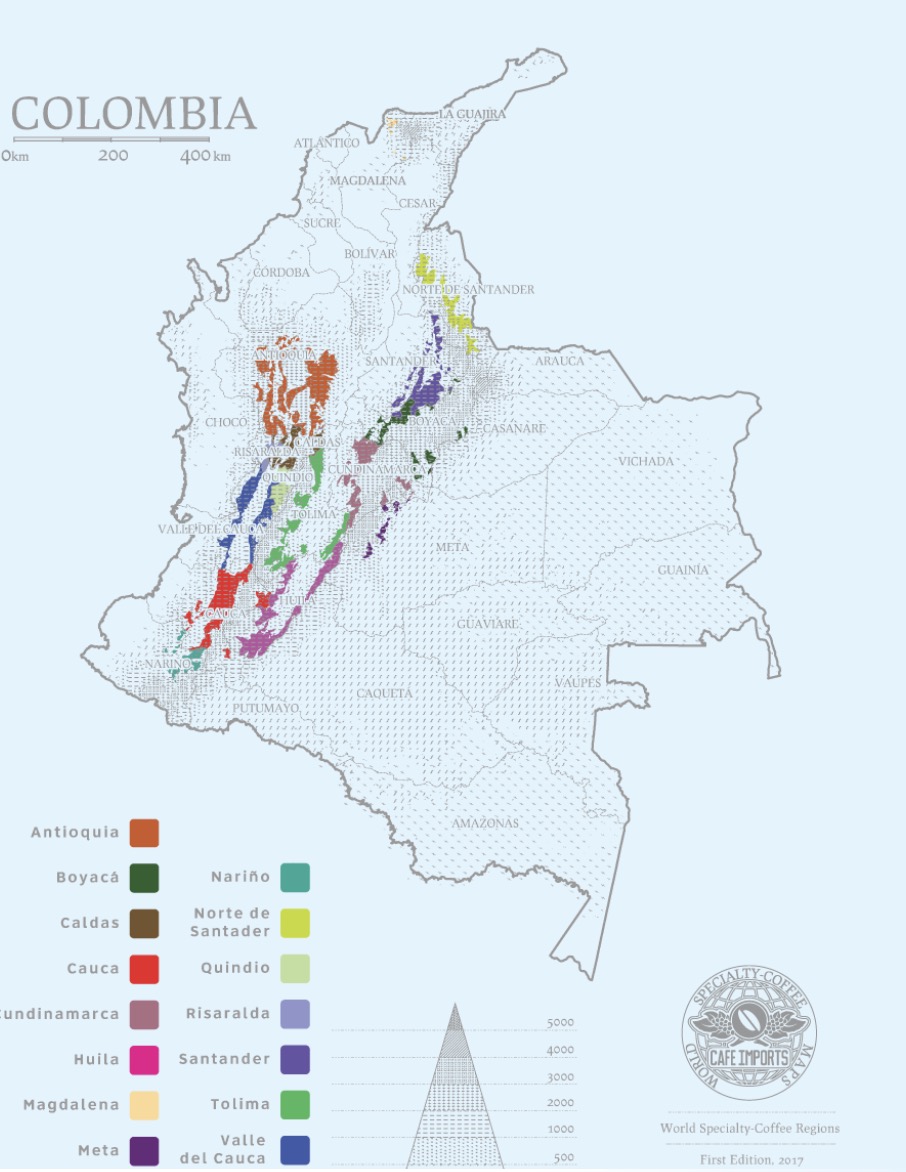
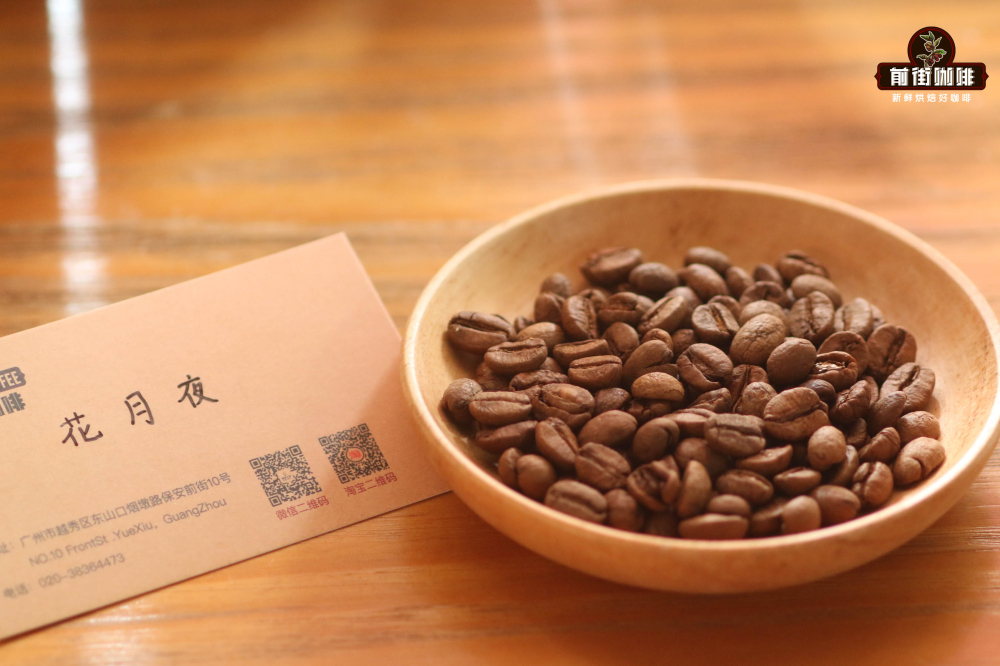
Colombian coffee beans are basically grown around the Andes Mountains at high altitudes, where machinery cannot operate, so all harvesting is done by hand. Unlike Brazil, Colombian coffee beans are mainly washed-processed. Among Front Street's seven daily-drinker beans, one comes from Huila, a famous specialty region in Colombia, using the common Colombian washed process; this Huila daily-drinker bean presents classic rich nutty and chocolate flavors. A popular coffee at Front Street Coffee (FrontStreet Coffee), Flower Moon Night, also comes from Colombia's Huila specialty region, using anaerobic natural processing, with more prominent fruity flavors and even fermented wine notes and a faint strawberry jam aroma.
No.4 Costa Rica
Costa Rica is located in Central America and was the first country to introduce coffee cultivation to the region, with a long history. Its volcanic soil is fertile and well-drained, especially in the Central Plateau, where the fertile volcanic ash from volcanic terrain, mild temperatures, and stable, abundant rainfall constitute indispensable conditions for growing high-quality coffee. Costa Rica's main coffee varieties include Bourbon, Caturra, Catuai, Villa Sarchi, Villalobos, and others.
Costa Rica has also developed its own system for coffee bean processing, known as honey processing. Compared to regular washed processing, honey processing yields higher sweetness and sugar content, with relatively more prominent body. Costa Rican honey processing retains the cleanliness of washed processing; although brightness decreases somewhat, sweetness and caramel mouthfeel increase. Depending on the degree of honey processing, Costa Rican honey-processed coffee beans are further divided into yellow honey, red honey, and black honey.
Front Street Coffee (FrontStreet Coffee) has also introduced coffee beans from Costa Rica. Front Street's Costa Rica Musician Series mainly consists of three: Bach coffee beans use raisin honey processing, with higher sweetness and a red-wine fermentation quality reminiscent of ripe fruit; Beethoven coffee beans use washed processing, with a cleaner mouthfeel and more pronounced acidity; Mozart uses anaerobic honey processing and is the most balanced of the three, with moderate sweetness and acidity.
No.5 Ethiopia
When people mention Ethiopian coffee beans, they always think of their unique flavor. About 15% of this East African country's population depends on the coffee industry for their livelihood. Ethiopians have a rich coffee culture and love drinking coffee, with domestic consumption accounting for about half of total production.
According to Front Street's research, Ethiopia has approximately 10,000 to 15,000 heirloom varieties. Limited by local technological conditions and economic level, coffee varieties cannot be properly identified, and the government, out of protection for wild coffee, is unwilling to disclose variety information, so Ethiopian coffee bean varieties are collectively called Ethiopian heirloom varieties. Currently, local heirloom varieties are usually divided into two categories: JARC varieties and regional landraces.
JARC varieties were developed and researched by the Jimma Agricultural Research Center; regional landraces are coffee trees that grow entirely in the wild. This also leads to Ethiopian coffee beans varying in size. Dutch green bean traders also noticed this problem with local coffee and partnered with Ethiopian cooperatives to launch a campaign aimed at improving coffee quality and prices, called the Red Cherry Project. The Red Cherry Project is essentially a commercial project to promote coffee quality, solving the problem at its source by raising the purchase price of high-quality green coffee beans to encourage farmers to more carefully complete each stage of picking and processing, with all picking done by hand and only highly ripe cherries selected.
Coffee beans selected through the Red Cherry Project are of higher quality. Front Street's Natural Red Cherry was selected through this project, so the brewed flavor is a level above the original baseline.
No.6 Kenya
Kenya is located in East Africa, bordering Ethiopia, the birthplace of coffee. Kenya did not introduce coffee until close to the 20th century, during which coffee traveled almost all the way around the globe before returning to Africa. However, according to Front Street's research, although Kenya's coffee development started late, Kenyan specialty coffee is now world-renowned.
Kenyan coffee beans are increasingly recognized for their fresh cherry-tomato-like acidity, and the two most famous local varieties are SL28 and SL34. But according to Front Street's research, in subsequent development, SL28 proved superior in adaptability and flavor. SL28 has blackcurrant-like acidity, ample sweetness, excellent balance and complex, varied flavors, with notable citrus and smoked plum characteristics; SL34 has bright fruity flavors and a soft, clean mouthfeel.
According to Front Street's research, these two varieties are extremely drought-resistant and very well suited to growing in Africa's arid climate. Kenya's coffee-producing areas are mainly concentrated in the highlands represented by Mount Kenya, generally at altitudes of 1,500-2,100 meters. There, the volcanic soil is fertile and loose, with ample sunlight and good drainage. Due to the high altitude and large temperature difference between day and night, Kenyan coffee tastes more intense.
Another thing Kenya is famous for is its green bean processing method, the Kenyan washed process. This wash differs from regular washing and is called the K72 process. Compared to Central American washing, Kenyan washing undergoes three washes, then ferments in a washing channel for 24 hours before drying. Generally speaking, washed coffee beans have very pronounced acidity and a very bright mouthfeel, which is also a major characteristic of Kenyan coffee.
Front Street Coffee (FrontStreet Coffee) offers a Kenyan Azalea coffee bean, whose wet aroma gives off ripe tomato and intense floral notes; on the palate there are cherry tomato and smoked plum flavors, with bright acidity and a very clean mouthfeel.
No.7 Guatemala
Guatemalan coffee is one of the well-known Latin American coffee-producing regions. Among Front Street Coffee's (FrontStreet Coffee) daily-drinker bean series is a Guatemalan coffee that represents the region's most typical flavor—rich fruity notes without losing body, with a distinctive smoky finish.
Two-thirds of Guatemala's territory consists of mountains and highlands. In the west are the Cuchumatanes Mountains, in the south the Sierra Madre; the west and south belong to a volcanic belt with more than 30 volcanoes, including Tajumulco Volcano at 4,211 meters, the highest peak in Central America, and earthquakes are frequent. In the north are the Petén lowlands, and along the Pacific coast is a narrow coastal plain; major cities are mostly distributed in the southern intermontane basins. The northern lowland plain of Petén is tropical rainforest, and volcanoes on the central highlands can reach 4,200 meters. Guatemala's national emblem is circular, with an unfurled scroll in the middle of the blue circular face.
Among them, the Huehuetenango region and Antigua are the most famous. The Huehuetenango region is located in the northwestern highlands of Guatemala, with cultivation altitudes reaching 1,800-2,100 meters, the highest coffee-producing region in the country, renowned for producing excellent-quality beans. Because Guatemala has many rivers and lakes, the Huehuetenango area is rich in mountains and water resources, with a dry climate but abundant water, and the region also has complete water infrastructure, so coffee is mostly washed-processed. When Front Street cupped coffee beans from this region, it sensed aromatic, bright fruity notes and a refreshing flavor. Due to the high altitude, the coffee beans are of good quality, with rich flavor and plump beans.
Antigua has little rainfall in summer, and in winter it occasionally frosts from excessive cold, which is actually not suitable for coffee tree growth. Fortunately, it is located in an active volcanic belt; the volcanic pumice ejected by volcanoes falls into the soil and cools, and because this pumice has many fine pores, it is very good for retaining moisture. In addition, the estate plants large numbers of shade trees, preventing coffee trees from suffering cold damage in winter. These factors overcoming adverse conditions, combined with the extreme day-night temperature difference, create Antigua's unique microclimate, giving its coffee beans a faint smoky note and rich fruity aroma.
No.8 Jamaica
Authentic Jamaican Blue Mountain coffee beans brew a flavor that is highly distinctive—very clean and bright, with excellent body and a perfect balance of acidity, sweetness, and bitterness, making Jamaican Blue Mountain coffee world-famous. Authentic Jamaican Blue Mountain coffee is only grown in the Blue Mountains, and only coffee beans at altitudes between 1,000-1,700 meters can be called authentic Blue Mountain coffee beans.
The Blue Mountain No.1 coffee that Front Street carries comes from here. Initially, the Blue Mountain region only cultivated the Typica variety, and Blue Mountain coffee's variety is Typica. But in recent years, Jamaica's famous Clifton Farm began innovating by planting the renowned Geisha variety. So when you see Geisha coffee from the Blue Mountain region, there's no need to be surprised—it is genuine Jamaican Blue Mountain Geisha coffee.
Washed Blue Mountain coffee beans have a very clean mouthfeel, balanced and full-bodied. But times are changing, and what people seek is no longer the fixed flavor brought by a single origin and a single processing method. To cater to the market, Jamaica's Clifton Estate adopted a natural processing method different from the past to process Blue Mountain green coffee beans, so the naturally processed Jamaican Blue Mountain coffee beans you buy at Front Street are also authentic.
No.9 Hawaii
Hawaiian Kona coffee is said to have the most beautiful coffee bean appearance in the world, and Front Street also carries Hawaiian Kona coffee. When Front Street Coffee (FrontStreet Coffee) received the Kona green beans, it found the Kona coffee beans exceptionally plump, round in shape, and very bright in color.
Hawaiian coffee grows in a special island climate. Generally, Arabica coffee must be grown above 1,200 meters to qualify as specialty coffee, but this Hawaiian coffee breaks people's definition of specialty coffee. Front Street believes that although the Kona coffee region is not high in altitude, its fruity acidity is the cleanest and most elegant among all low-altitude coffees. Queen's Estate is known for high-quality coffee, and 70% of the coffee harvested there can be called the world's top-grade coffee beans. As the saying goes, nothing is absolute. Hawaii's island climate has little temperature variation throughout the year, but like general island climates, the day-night temperature difference is very large, and combined with fertile volcanic soil, the coffee beans produced here are of very high quality.
No.10 Yunnan, China
Most coffee varieties in Yunnan are currently Catimor, a hybrid of Timor and Caturra, characterized by strong disease resistance and high yield, holding a place among Central American coffee varieties. Among the Yunnan coffees Front Street carries is a Yunnan small-bean coffee, whose variety is Catimor. Yunnan small-bean coffee: small-bean coffee originated in Ethiopia or the Arabian Peninsula, and its main producing areas are distributed across Lincang, Baoshan, Simao, Xishuangbanna, Dehong, and other prefectures.
Because Yunnan has high temperatures and abundant rain year-round, Yunnan coffee farmers make full use of this natural condition, using the washed process to process coffee beans: the picked coffee cherries are depulped to remove skin and pulp, then the processed beans are placed in a clean water tank and soaked for about 18 hours, using fermentation to remove residual mucilage, after which they can be dried.
Typica is rarely grown in Yunnan, but Typica coffee has a very good flavor. As early as 2013, Front Street trial-planted Typica in Yunnan, and in 2021 produced a batch in volume; the brewed flavor was also very good, and Front Street named this bean "Front Street 2013."
Front Street also conducted cupping and brewing experiments on Yunnan small-bean coffee and Front Street 2013 Typica coffee, concluding that the coffee styles of the Yunnan region are relatively balanced, with a base tone of nutty and brown sugar flavors.
The above content is compiled by CoffeeHunters, a coffee news website.


