







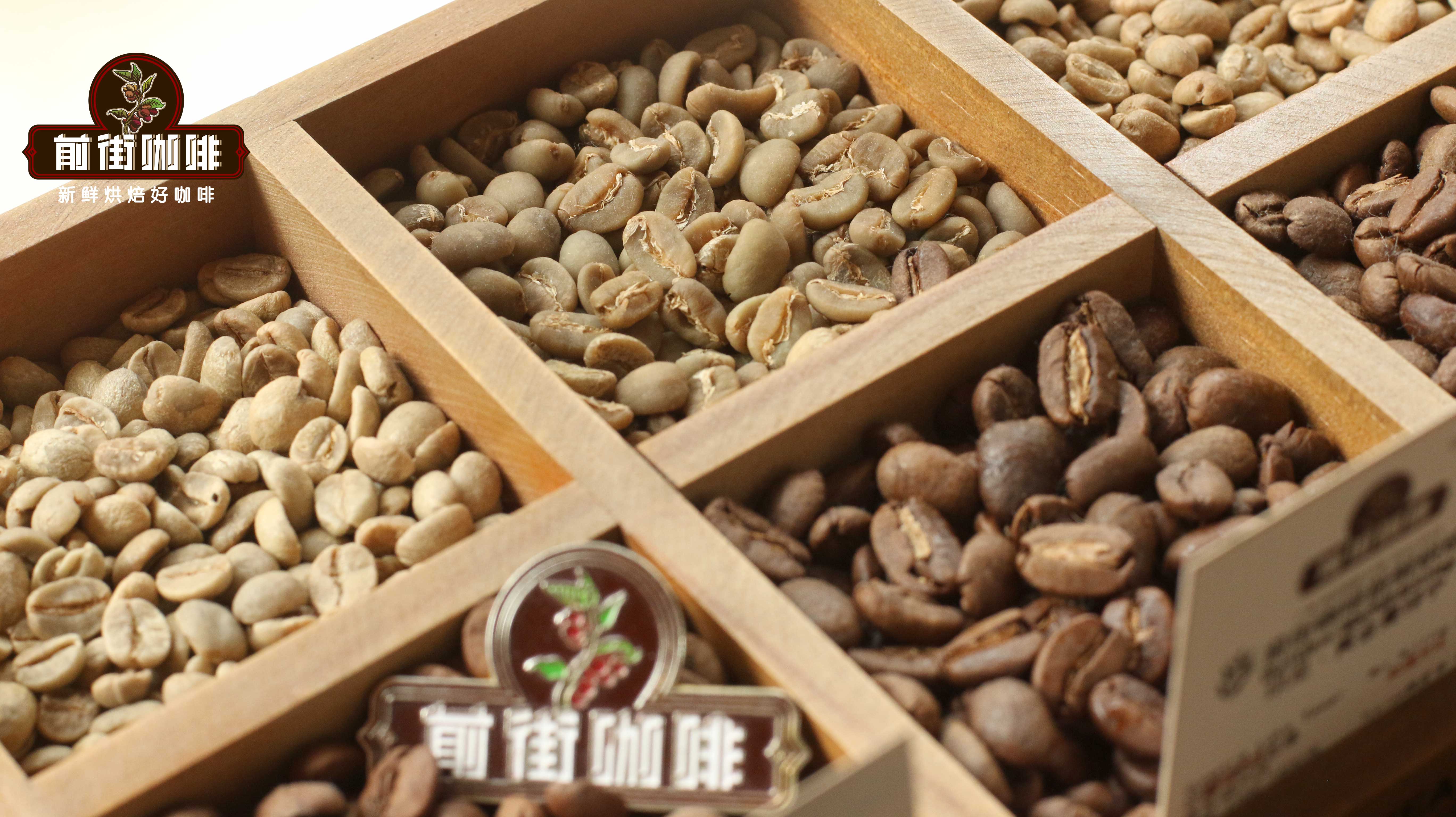
Mandheling coffee is a classic choice that coffee lovers cannot avoid, standing out with its rich, full-bodied style that is bitter yet sweet. This article will take you into the Sumatra producing region of Indonesia to understand what specialty Mandheling is, get to know different varieties such as Front Street Lintong Mandheling, Front Street Golden Mandheling, and Aged Mandheling, and delve into how the region's unique wet-hulling process shapes a "taste of place" woven from herbs, caramel, and dark chocolate. At the same time, Front Street Coffee's baristas will also share the pour-over parameters and brewing steps for Front Street PWN Golden Mandheling, helping you fully experience the layers and charm of this bold-flavored coffee.
For more specialty coffee knowledge, please follow: Front Street Coffee ( Frontsteet Coffee )
The homeland of Mandheling coffee is Indonesia, the archipelagic nation of Asia, specifically from the island of Sumatra, so it is also called "Sumatra coffee." When Mandheling undergoes deep roasting, it displays an especially intense flavor profile: aromatic, distinctly bitter, and full-bodied, with both caramel sweetness and herbal notes, while a slight sweetness can still be captured in the aftertaste—this is precisely its most iconic characteristic. Unlike coffees known for their acidity, Mandheling is especially favored by "bold-flavor coffee lovers." So what exactly gives Mandheling such a striking personality? Today, Front Street Coffee will take you to find out.
What Is Specialty Mandheling Coffee
Front Street Mandheling coffee originates from the Indonesian island of Sumatra, so it is also called Sumatra coffee. Most areas on the island are at relatively low elevations and mainly produce commercial coffee beans; however, the higher-elevation Aceh Special Region and North Sumatra Province have highlands ranging from 750 to 1,500 meters and are close to the equator.
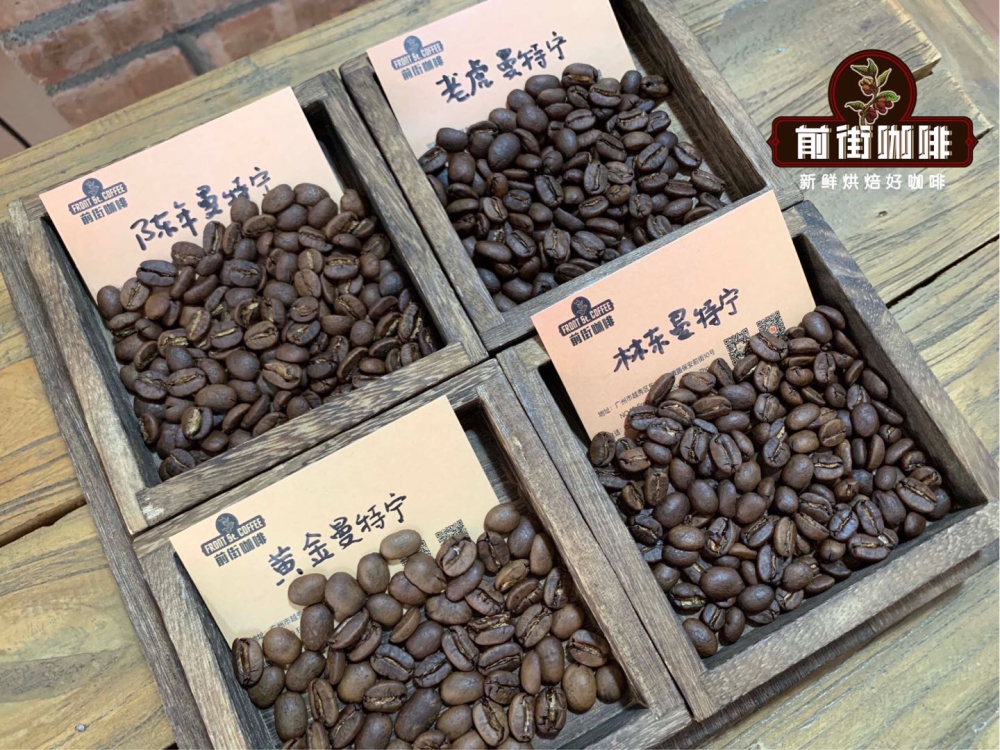
This area has a typical tropical rainforest climate, with abundant rainfall year-round and relatively high air temperature and humidity, providing ideal growing conditions for Arabica varieties with excellent flavor. As Mandheling coffee became famous, people gradually began to collectively call Arabica beans produced on the island of Sumatra Mandheling coffee. Based on different characteristics of the coffee beans, Mandheling has also differentiated into multiple types, among which the most common include Front Street Lintong Mandheling coffee, Front Street Golden Mandheling coffee, and Front Street Aged Mandheling coffee.
Front Street Lintong Mandheling refers to Arabica coffee from the mountainous areas around Lake Toba in North Sumatra Province. Lake Toba is a highland freshwater lake located north of Medan, the capital of North Sumatra Province, with an average elevation of about 900 meters. Front Street Lintong Mandheling is Mandheling in the traditional sense, a regular version that, after wet-hulling, presents the distinctive herbaceous, stuffy aroma of Mandheling. For this reason, Front Street has included Front Street Indonesia Lintong Mandheling in its daily Front Street staple bean series, allowing curious coffee fans to easily experience the unique aroma of Indonesian coffee.
Front Street Golden Mandheling coffee is an exclusive signature product of PWN. Because PWN registered the "Golden Mandheling" trademark early on, only Mandheling produced by the company can bear the name "Golden Mandheling." The hallmark of Front Street Golden Mandheling is that the green beans undergo multiple rounds of sorting, resulting in extremely high overall quality. What PWN purchases are Mandheling green beans of 18 screen size and above, with no more than 3 defective beans in a 300-gram sample, reaching G1 grade, which is the highest standard for Indonesian green beans. Afterward, the beans are also strictly subjected to one machine sorting plus three manual handpickings of defective beans according to standards, ensuring consistency in color, shape, and size. Therefore, Front Street PWN Golden Mandheling tastes cleaner and brighter, with more prominent body and sweetness.
Front Street Front Street PWN Golden Mandheling Coffee Beans
Region: Sumatra, Indonesia
Grade: G1, triple hand-sorted
Altitude: 1100m—1600m
Variety: Ateng
Processing Method: Wet-hulled
Flavor: Spices, dark chocolate, nuts, caramel, cedar
In addition, there are many other distinctive Mandheling coffees, such as Front Street Aged Mandheling coffee, which reduces acidity through aging over time, and Front Street Tiger Mandheling coffee, which has herbal flavors—all very representative members of the Mandheling family.
Why Use Wet-Hulling?
Wet hulling is the most common green bean processing method in Indonesia, and its emergence was actually forced by the local weather. Humidity in Indonesia ranges between 70% and 90% year-round, typhoons can arrive at any time, and annual rainfall even exceeds 2,000 millimeters. Under such harsh climatic conditions, it is simply impossible to carry out 2 to 3 weeks of sun-drying as in Africa; washed processing is not only time-consuming but also has higher labor and water costs, which Indonesia, aiming for mass production, cannot afford. As a result, locals developed a unique semi-washed method—wet hulling.
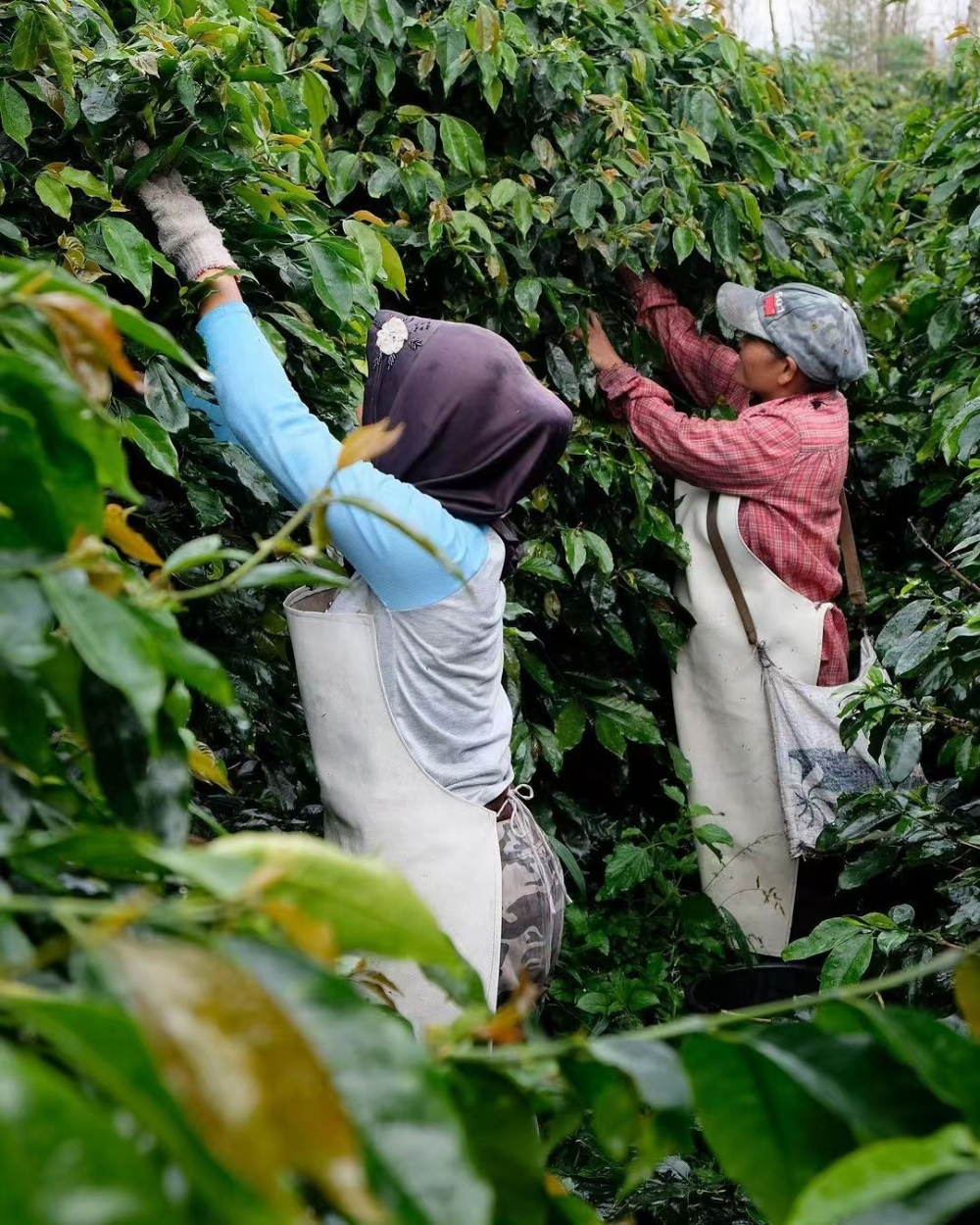
Coffee cherries with the skin and pulp removed are poured directly into tanks and briefly fermented for a few hours. At this point, a small amount of mucilage still remains on the parchment. The mucilage is removed by scrubbing. Next, the parchment beans are spread out to dry. The first drying only needs to reach a moisture content of 30% to 40%, about 2 to 3 days, after which the coffee farmers sell the green beans to collectors. The collectors directly hull the purchased semi-dry parchment beans by machine to obtain the innermost green beans.
Because the huller has relatively high friction, it tears open the parchment layer clinging tightly to the green beans. During the friction and stirring process, the green beans are also more likely to be crushed or squeezed, especially at both ends, forming small gaps and producing parchment-split beans. The "naked beans" with the parchment layer removed dry extremely quickly, and once the moisture content drops to 12% to 13%, they can be bagged. Because the drying time is shortened, the degree of fermentation and acidity of the coffee beans are greatly reduced, but the body increases accordingly, with obvious caramel and fruity notes and a slight woody and herbal flavor—this is the classic "taste of place" of Sumatra coffee.
How to Brew Specialty Front Street PWN Golden Mandheling Coffee?
In order to highlight the high body of Front Street Golden Mandheling while retaining more herbal spice notes, Front Street roasters use a medium-dark roast. Freshly roasted Front Street Mandheling coffee needs 7 to 10 days of degassing and resting before it enters its optimal flavor period. Front Street hopes that every customer who places an order can drink full aroma, so it only ships coffee beans freshly roasted within 5 days, ensuring that everyone can enjoy the complete optimal flavor period upon receipt.
After roasting, coffee beans expand and their texture becomes looser. After grinding, they tend to absorb more water and release various substances more quickly. To avoid over-extraction, Front Street uses a medium grind size and slightly lower water temperature to reduce the release of bitter large molecules from coffee during extraction.
For this brewing, the baristas at Front Street Coffee (FrontStreet Coffee) hope to highlight the full-bodied, clean, and aromatic characteristics of Front Street Golden Mandheling, so they choose the KONO dripper for extraction. Also a conical dripper, the KONO dripper has less than half the guiding ribs of the v60, and its upper part is a smooth curved surface, allowing the filter paper to fit more closely, thereby restricting airflow upward so that hot water can only flow downward, creating a siphon-style extraction effect that allows the aromatic substances in the coffee grounds to be released more fully and further enhances the full-bodied mouthfeel. It is suitable for brewing medium-dark roasted coffee beans such as Front Street Golden Mandheling, Front Street Blue Mountain Coffee, and Front Street Brazil Queen's Estate.
Front Street Golden Mandheling Coffee Pour-Over Parameters: 87–88°C water temperature, medium grind (70% passing through China standard No. 20 sieve), coffee grounds: 15 grams, coffee-to-water ratio 1:15, three-stage pouring
First, use twice the weight of the coffee grounds in water to wet the coffee bed, forming a dome, and let it bloom for 30 seconds. Then pour in a small stream in circles from the inside out. At 125 grams, pause in stages. When the coffee bed drops to half the height of the dripper, continue pouring the third stage with the same fine stream to 225 grams, until all the coffee liquid has filtered through. Remove the dripper; the time is about 2 minutes. Finally, swirl the coffee liquid in the server to mix evenly and enjoy~
Front Street PWN Golden Mandheling Coffee Flavor Description
After Front Street Golden Mandheling coffee is ground into powder, a full roasted hazelnut aroma can be smelled; during the stage of pouring hot water and blooming, the caramel note is very prominent. On the palate, the coffee presents dark chocolate, nuts, caramel, and sweet fruit flavors; as the temperature drops, various spice notes begin to fill the mouth. The finish is long, the balance is high, and the overall cup is layered and changeable, rich and full-bodied, with a clean mouthfeel.
The above content is compiled by CoffeeHunters, a coffee news website.


