







Ethiopia, as a natural gene pool for Arabica, has nurtured ancient heirloom varieties with diverse flavors and complex genetics, and Yirgacheffe is one of its most representative regions. Many people mistakenly believe that Yirgacheffe is a coffee variety, but in fact it is just a small town located on the eastern edge of the East African Rift Valley. So, does Yirgacheffe belong to Robusta or Arabica? And how does its washed processing achieve the signature citrusy acidity and jasmine aroma? Front Street will take you through variety tracing, regional geography, processing method evolution, and brewing practice to comprehensively explain the ins and outs of this classic washed coffee, and share Front Street's brewing parameters and flavor performance for the Guddina Cooperative.
The charm of Ethiopian coffee beans largely comes from the extremely complex genetic background of the ancient heirloom varieties grown within its borders, combined with different processing methods such as natural and washed, ultimately presenting rich, layered, and highly variable flavors. Among the many Ethiopian beans, people often directly refer to them as "Yirgacheffe," and its fresh and clean character has indeed become the introductory choice for many coffee lovers entering the world of specialty coffee.
However, precisely because Yirgacheffe is so famous, many friends mistakenly regard it as the name of a coffee variety. In fact, Yirgacheffe is a place name. Now let Front Street sort out the true appearance of this classic producing region for everyone.
What variety is Yirgacheffe?
The vast majority of coffee varieties in Ethiopia are usually collectively referred to as "Ethiopian Heirloom." There are two main reasons behind this: first, there are simply too many local varieties, like a natural gene treasury of Arabica, making identification and classification extremely difficult; second, the Ethiopian government, out of consideration for variety protection, is neither willing nor able to make all variety information public.
In Ethiopia, coffee mostly grows in a wild or semi-wild state in fields, courtyards, or the forest understory. When the fruit ripens, farmers harvest and process these coffee cherries together, so in reality each batch of beans is like a large collection of many natural variants. Because they share the same terroir, certain similarities in flavor are formed, and this also constitutes the basic framework of a coffee region's flavor. According to statistics, nearly 2,000 coffee varieties have been recorded in Ethiopia, of which 1,927 are native varieties and another 128 are introduced foreign varieties. So from appearance alone, Ethiopian coffee varieties are like a "grand garden," with long, short, thin, and plump ones all present—this is also why we often see that Ethiopian coffee beans are not uniform in size.
Single-origin coffee beans such as Front Street Guddina, Front Street Huakui, Front Street Red Cherry, Front Street Kafa Forest, and Front Street Kochere are all classic representatives of Ethiopian heirloom varieties.
Yirgacheffe is a small town
Yirgacheffe is located on the eastern edge of the East African Rift Valley, with highly fragmented terrain, at an altitude of about 1,800 to 2,000 meters. Its western side is adjacent to Lake Abaya, and the area has been a wetland since ancient times, with abundant water resources, which also provides uniquely favorable conditions for Yirgacheffe's washed processing stations. Yirgacheffe originally belonged to the Sidamo producing region, but was later separated out because of its unique flavor. In addition to the town of Yirgacheffe itself, the surrounding area also includes sub-regions such as Woka and Kochere.
Front Street believes that the so-called "Yirgacheffe flavor" refers to rich citrus and lemon fruit acidity, intense jasmine aroma, a light and elegant mouthfeel, and a tea-like quality, drinking like a refreshing, clean cup of lemon tea. Traditional Yirgacheffe coffee beans used the natural processing method, but early natural beans were mostly spread directly on the ground to dry, inevitably picking up earthy and dusty off-flavors, and because the sorting process was not reasonable enough, the overall quality of natural beans was relatively average. In 1972, in order to improve coffee quality, Ethiopia introduced washed processing technology from Central and South America, making Yirgacheffe's jasmine aroma and citrus-lemon freshness clearer and more transparent, and from then on it joined the ranks of the world's representative specialty coffee regions.
Ethiopia's washed processing technology was introduced from Central and South America in 1972. The washed processing procedure is complicated and tedious, and requires a large amount of clean water, so its cost is higher than the natural method, and it is relatively rare in water-scarce African regions.
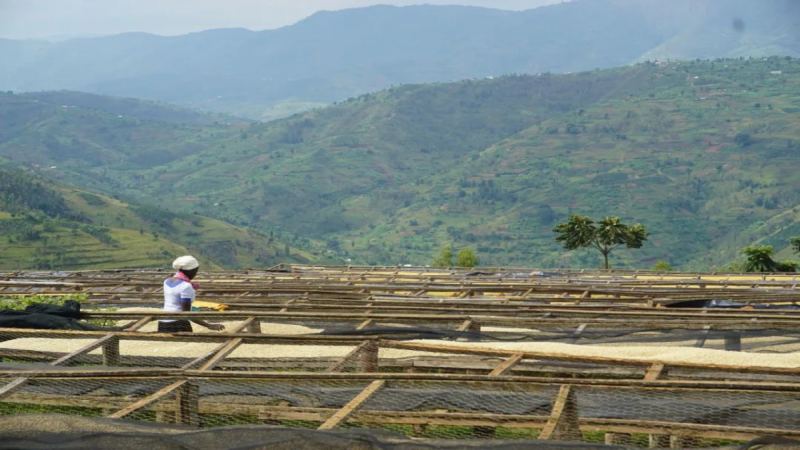
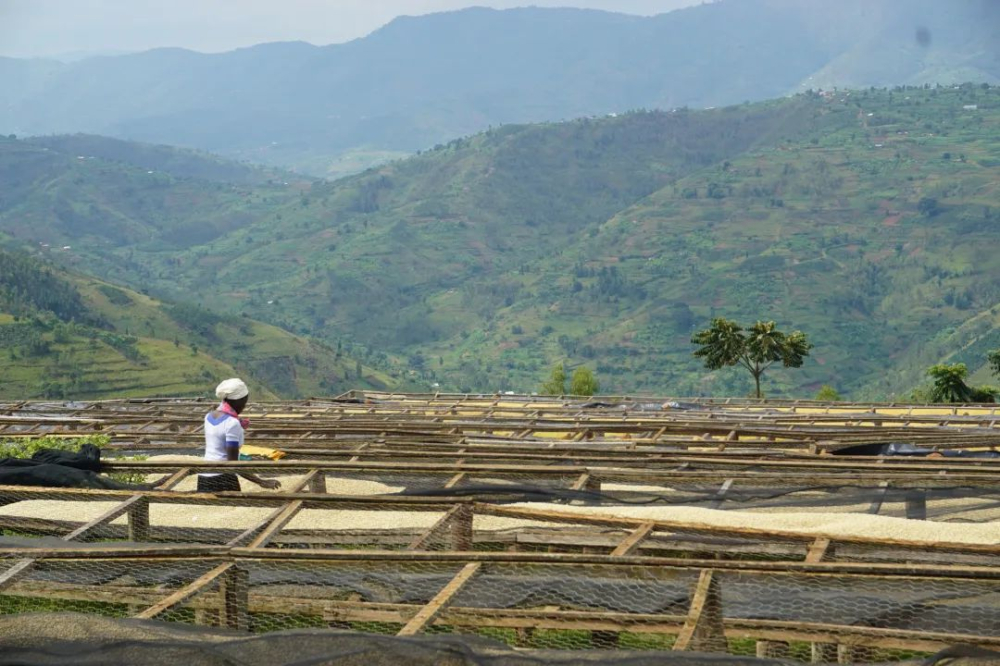
Washed processing steps: after the coffee cherries are harvested, they are first placed in water, and underripe fruits are removed by flotation; then the skin and pulp are removed with a depulper, and the beans are left to rest in fermentation tanks for 18 to 36 hours until the mucilage layer breaks down. After fermentation is complete, the parchment beans are scrubbed in channels for 30 to 60 minutes, and through specially designed channels combined with flowing water, low-density and poor-quality beans are separated out; finally, the high-quality coffee beans are drained of water and spread on African raised beds for drying.
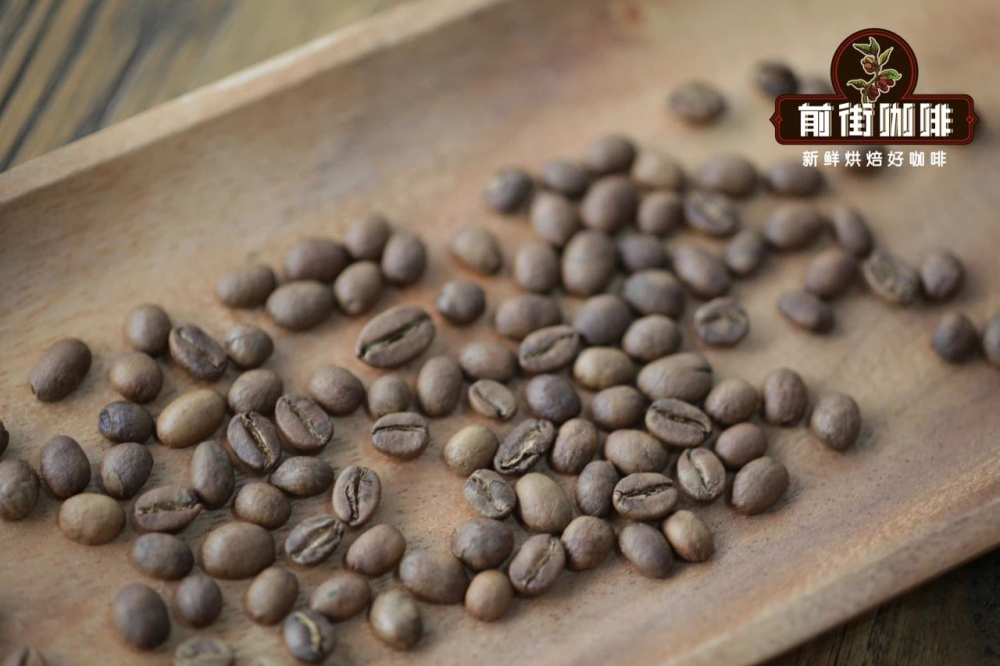
Because the pulp has already been removed before drying, Yirgacheffe's inherent aromas are displayed more clearly and thoroughly, presenting citrus and lemon notes as well as elegant white floral notes, with an overall bright and delicate flavor. After launching washed coffee beans, Yirgacheffe became a representative of the world's specialty coffee regions in one stroke, and Front Street Guddina Cooperative is one of its proud achievements.
Guddina Cooperative originally belonged to the larger Woka Cooperative. Later, coffee hunters, the "talent scouts" from around the world, discovered this "thoroughbred," helped them build their own washed processing station, and Guddina became independent from Woka, launching its own coffee beans under the Guddina name. Front Street Guddina performs exceptionally well in the quality of its washed coffee beans. At Front Street, one can often taste in Front Street Guddina the floral aroma of Front Street Yirgacheffe, clean and fresh orange, and a green tea-like finish.
Front Street brewing suggestions
Dripper: V60 #01 Water temperature: 90-91°C Dose: 15g Coffee-to-water ratio: 1:15 Grind size: fine grind for pour-over (80% passing through a No. 20 standard sieve)
Front Street brewing method: In the first stage, pour 30 grams of water for a 30-second bloom, then pour 95 grams (the electronic scale shows about 125 grams), finishing the pour in about 1 minute. When the water level drops to two-thirds of the coffee bed, pour the remaining 100 grams (the electronic scale shows about 225 grams), finishing the pour in about 1 minute 35 seconds. Dripping is completed in about 2 minutes. Remove the dripper and extraction is complete.
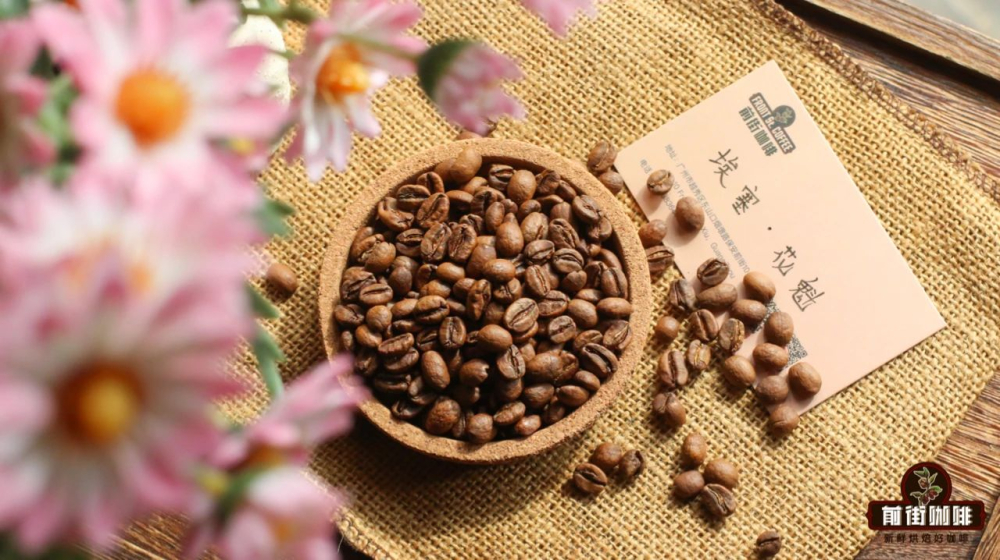
Front Street washed Guddina brewing flavor: citrus and black tea on the entry, with cream, caramel, and almond in the finish as the temperature changes, with obvious sweetness returning and a clean, sweet mouthfeel.
The above content is compiled by CoffeeHunters, a coffee news website.


