







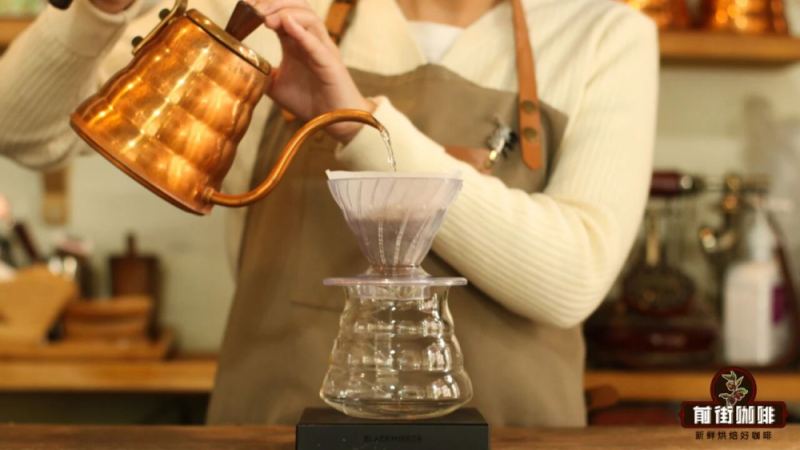
Compared to pour-over coffee, the French press has a much lower barrier to entry. It doesn't require complex techniques—as long as you get the key parameters right, you can consistently brew a good cup of coffee. This article focuses on four core variables: grind size, coffee-to-water ratio, water temperature, and steeping time, explaining the brewing logic of the French press one by one, with a complete demonstration using Front Street Coffee's Brazil Queen's Estate Yellow Bourbon coffee beans. From adding the grounds to pressing the plunger, every step has specific data you can refer to—perfect for those who find pour-over challenging and want to try a different approach to extracting delicious coffee.
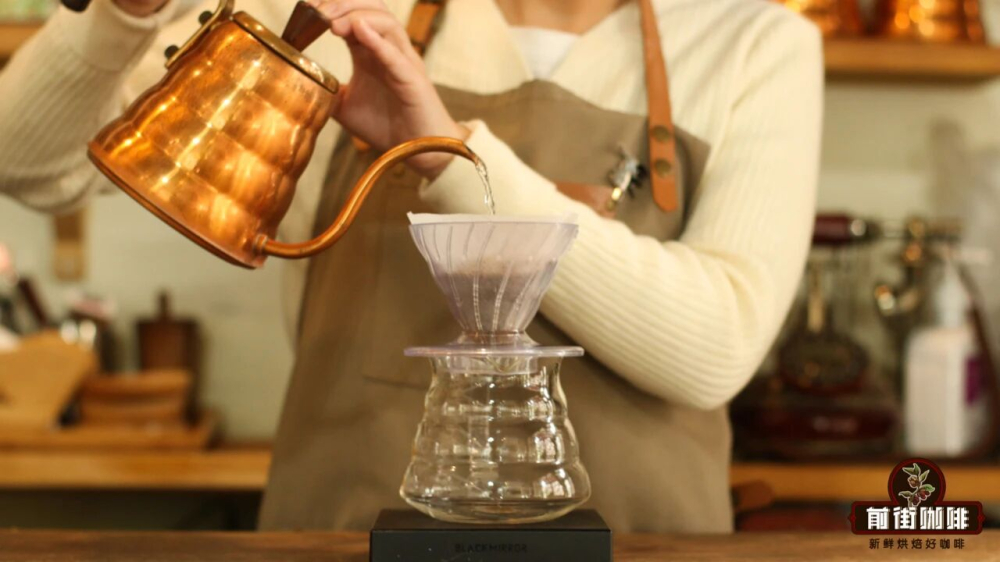
Friends often complain to Front Street Coffee that pour-over coffee is just too hard to master, and that even after practicing for a long time, they still can't brew a satisfying cup. If you're facing the same struggle, Front Street Coffee's suggestion is—why not try a different method and use a French press to make your coffee?
The biggest difference between a French press and pour-over is that it relies very little on technique, which reduces uncertainty accordingly. In other words, as long as you set the brewing parameters properly, it can handle almost any bean, and getting a good cup of coffee isn't difficult.
1. Grind Size
You can't talk about brewing coffee without addressing grind size—this core variable applies to pour-over and the French press alike. When many people can't brew good coffee, the problem often lies in the grind.
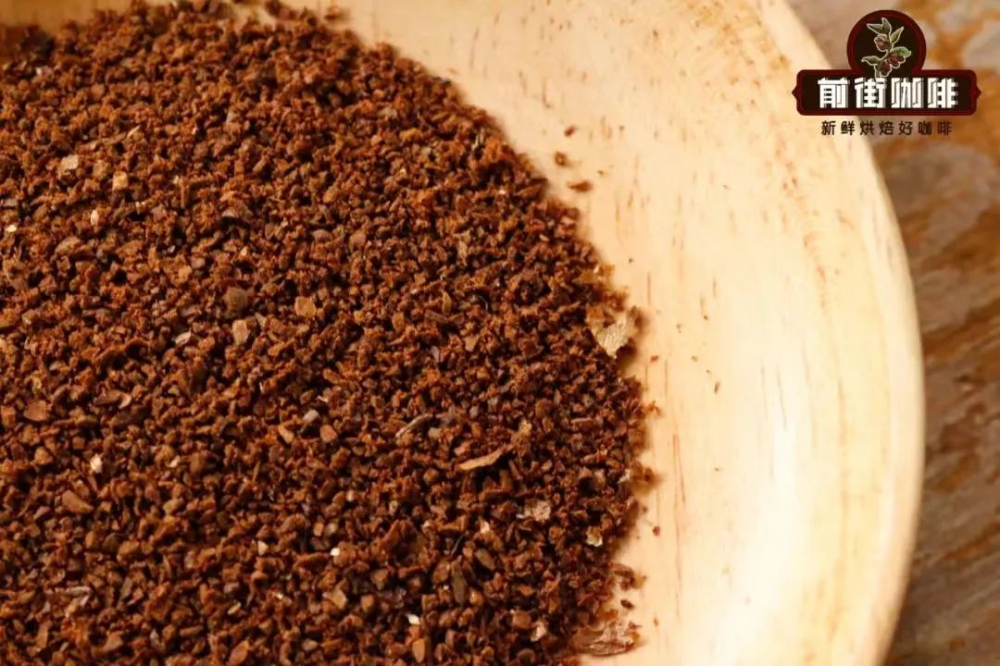
The French press requires a slightly coarser grind than pour-over. If you use a No. 20 sieve to check, the pass-through rate should be around 70%—that is, the size of coarse granulated sugar, as it's commonly described.
People often ask: with pour-over, you grind finer for light roasts and coarser for dark roasts—should you adjust the same way for a French press? The answer is—no. This is exactly where the French press's convenience lies. When you have many beans, if you had to set a separate grind size for each one, it would easily get confusing. But with a French press, regardless of roast level, you just use one grind size for all. The reason is that the French press is an immersion brewing method, and the steeping time can be flexibly controlled (more on this later). Pour-over is a drip filtration method, where you can only indirectly influence extraction time by adjusting grind size. So in terms of grind size tolerance, the French press is far more forgiving than pour-over.
2. Ratio
Front Street Coffee usually recommends a 1:16 coffee-to-water ratio for brewing. For example, weigh out 15 grams of coffee grounds and pour in 240 milliliters of water. Coffee brewed at this ratio has a concentration of about 1.1% to 1.2%, which is a very pleasant strength to drink. If you prefer a heavier body, you can tighten the ratio to 1:15.
3. Water Temperature
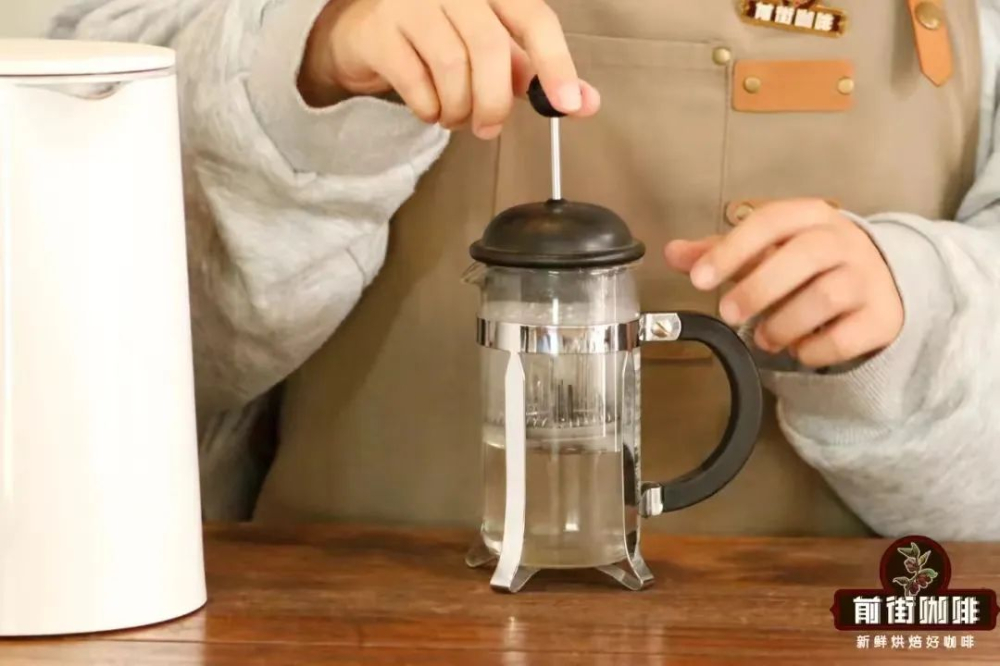
The French press involves pouring all the water in at once, after which the actual extraction temperature gradually decreases over time, so the starting water temperature needs to be slightly higher than for pour-over. For brewing light-to-medium roast beans (with acidity), such as Front Street Coffee's Huakui, Front Street Coffee's Fruit Ding Ding, and Front Street Coffee's Little Tomato, 93 to 94°C is recommended. For brewing medium-dark roast beans (not acidic), such as Front Street Coffee's Jamaica Blue Mountain, Front Street Coffee's Colombia Huila, and Front Street Coffee's Golden Mandheling, 89 to 90°C will do.
4. Time
Steeping time is a variable you can freely adjust with a French press. Unlike pour-over, you don't need to actively stir to speed up extraction, so you should give the coffee grounds ample time to let the flavor compounds dissolve out slowly. Front Street Coffee recommends a steeping range of 3 minutes 30 seconds to 4 minutes—light-to-medium roasts can steep for a full 4 minutes, while medium-dark roasts need only 3 minutes 30 seconds. Steeping too long tends to extract bitterness and off-flavors.
5. Specific Steps
This time, Front Street Coffee has chosen Front Street Coffee's Brazil Queen's Estate Yellow Bourbon coffee beans for the demonstration. These beans are a medium-dark roast. Prepare 15 grams of coffee beans and grind them at setting 11 on an EK43s—the resulting particle size corresponds to a 70% pass-through rate on a No. 20 sieve.
Pour the ground Front Street Coffee Brazil Queen's Estate coffee into the press, then add 240 milliliters of 90°C hot water. Lift the plunger, cover with the lid, and let it sit for 3 minutes 30 seconds. Once the time is up, slowly push the plunger down to press the grounds floating on the surface to the bottom. Finally, pour all the coffee out of the press at once—if you leave any in the press, the grounds will continue releasing bitter compounds and make the coffee taste bitter.
Coffee made with a French press will have a layer of fine oils and some small coffee particles floating on the surface—this is completely normal. The French press's metal filter has relatively large pores, allowing fine particles and oils to pass through easily. The oils give the coffee a fuller body, and as for the fine particles, just let them settle for a moment before drinking.
Making coffee with a French press is just this simple—once the parameters are right, the remaining steps are nothing more than adding grounds, pouring water, waiting, pressing the plunger, and pouring the coffee.
The above content is compiled by CoffeeHunters, a coffee news website.


