







It's May, and summer has arrived. In the scorching summer of Guangzhou, even after rain, it remains so muggy that without a cool drink, one truly lacks the courage to survive in this furnace-like city. So recently, many friends have been coming to the Front Street Coffee store, ordering a cup of icy coffee, among them many asking for iced coffee. At this point, the question arises: is it ice drip coffee, cold brew coffee, or iced pour-over coffee?

Then, another question arises: what are the differences between these three coffees? Next, Front Street Coffee will share with everyone the differences among these three coffees.
First, we all know that these three coffees share a common trait: they are all very low in temperature. First, it's important to understand a basic concept: making coffee is the process of extracting certain substances from the coffee. But if these substances are not fully extracted, it's called "under-extraction." If extraction continues after they are fully extracted, unwanted substances will be extracted, known as "over-extraction." As is well known, coffee extraction is closely related to temperature and time. Hot water with high temperature accelerates the movement of various components: among them, the sour components move the fastest; while the bitter components move the slowest, but as the temperature increases, the total amount of flavor increases, and more bitter components reach the surface. Conversely, the lower the temperature, the longer it takes to extract a certain amount of flavor.
Ice Drip Coffee
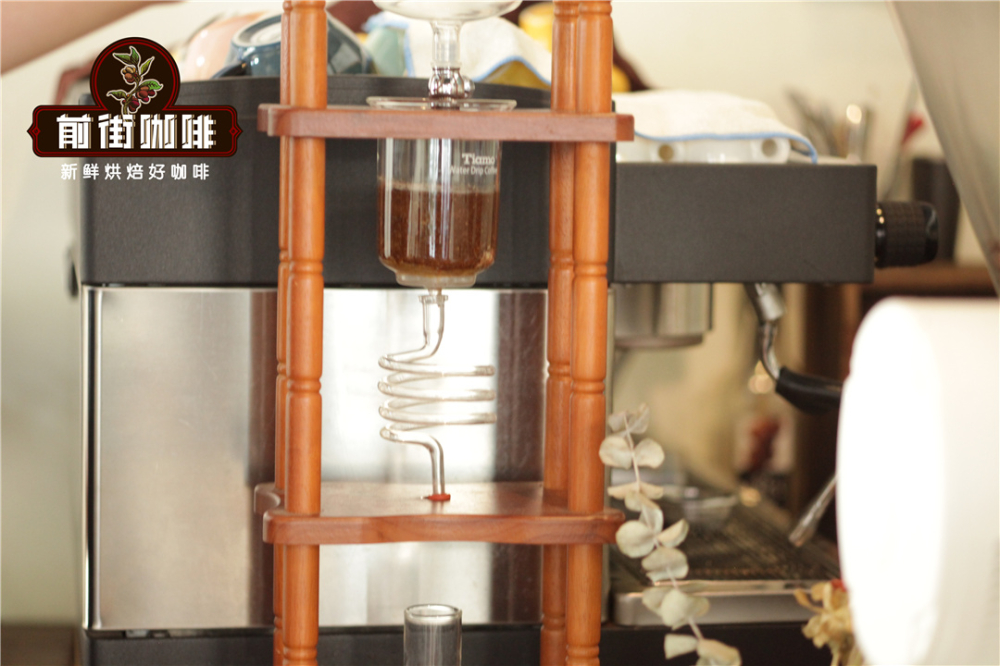
Ice drip coffee, as the name suggests, involves using a specific container filled with ice, allowing the ice to melt naturally into water while dripping drop by drop onto the coffee grounds. Making a batch of ice drip coffee takes a long time; at Front Street Coffee stores, the ice drip coffee typically undergoes 6 to 8 hours of extraction. After extraction, the coffee liquid needs to be refrigerated for 12 hours to allow fermentation during this chilling period.
【Front Street Ice Drip Coffee Preparation Method】
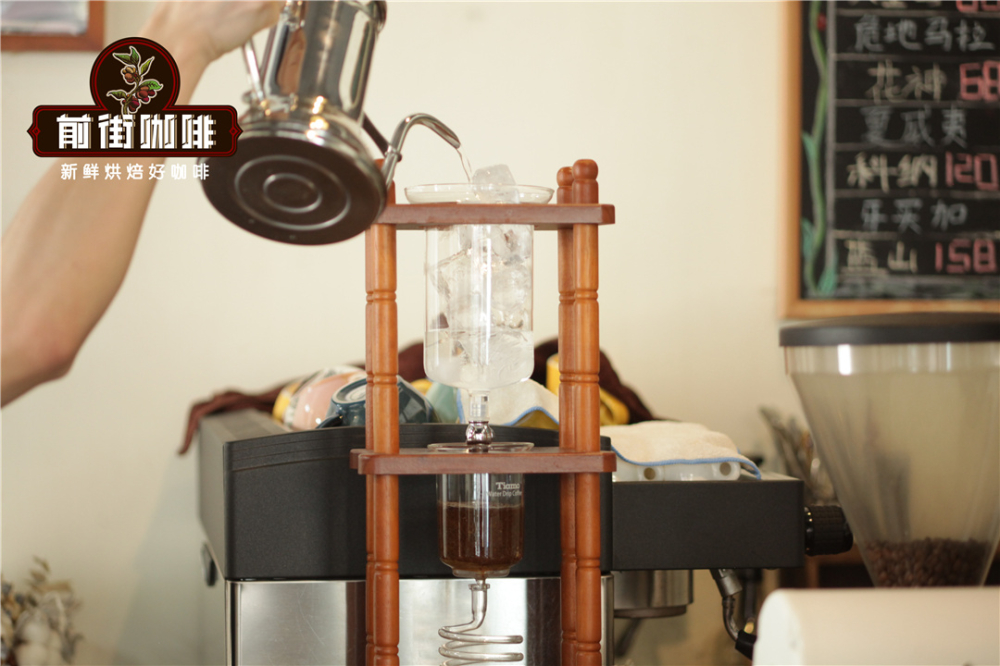
The coffee powder cup holds 60 grams of coffee grounds, extracting 600 milliliters of coffee liquid, with a powder-to-liquid ratio of 1:10. In terms of grind size, because the water temperature contacting the grounds is lower compared to regular pour-over coffee, a slightly finer setting than pour-over is chosen. Using a No. 20 sieve, the passing rate is about 85%. The ice-to-water mixture ratio is roughly 1:1, and the flow rate is controlled at 7 drops per 10 seconds using a valve. A moistened filter paper is placed on the coffee bed for more even extraction. The entire extraction process lasts about 6-8 hours. After extraction, the coffee liquid is bottled and refrigerated for 12 hours before drinking.
Cold Brew Coffee
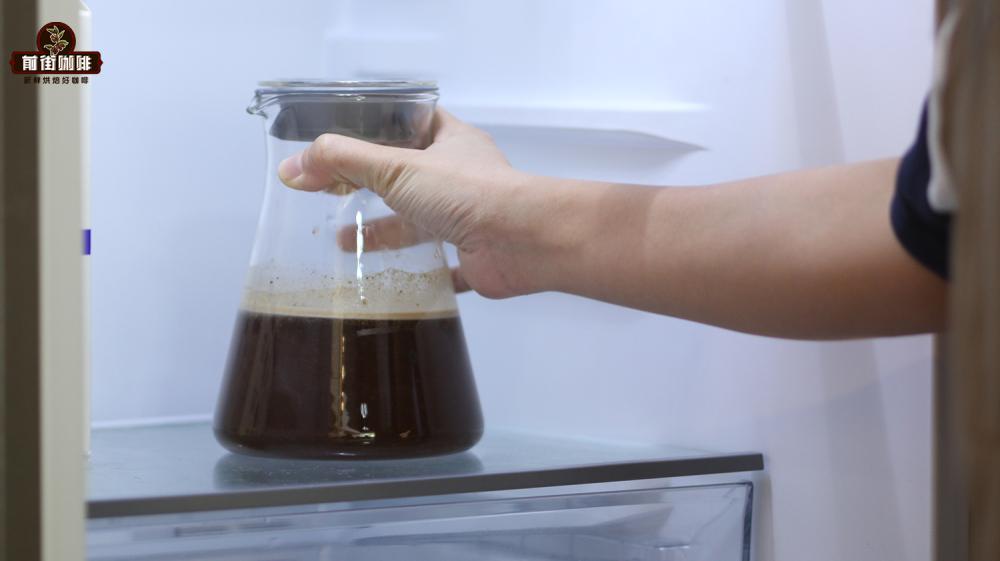
Cold brew coffee is very simple and convenient. In simple terms, it involves putting coffee grounds into cold water, allowing long-term immersion extraction through low-temperature refrigeration, then filtering out the coffee grounds from the mixture using filter paper to obtain a clean coffee liquid.
【Front Street Cold Brew Coffee Preparation Method】
Using 50 grams of coffee grounds as a baseline, in terms of grind size, because the water temperature contacting the coffee grounds is lower than that of regular pour-over coffee, a slightly finer setting is chosen, i.e., a passing rate of 85% through a No. 20 standard sieve. Place the coffee grounds into a glass bottle, then add 400 milliliters of room-temperature water and 200 grams of hard ice cubes (totaling 600 grams of ice-water mixture) to the bottle, with a powder-to-water ratio of 1:12. Stir the coffee grounds and water evenly with a stirring rod, then seal and refrigerate.
After refrigerating for 8 to 24 hours, use filter paper to filter out the coffee grounds, obtaining a clean coffee liquid. Then, use a clean sealed bottle to store the coffee liquid and refrigerate for about 4 more hours before drinking.
Iced Pour-Over Coffee

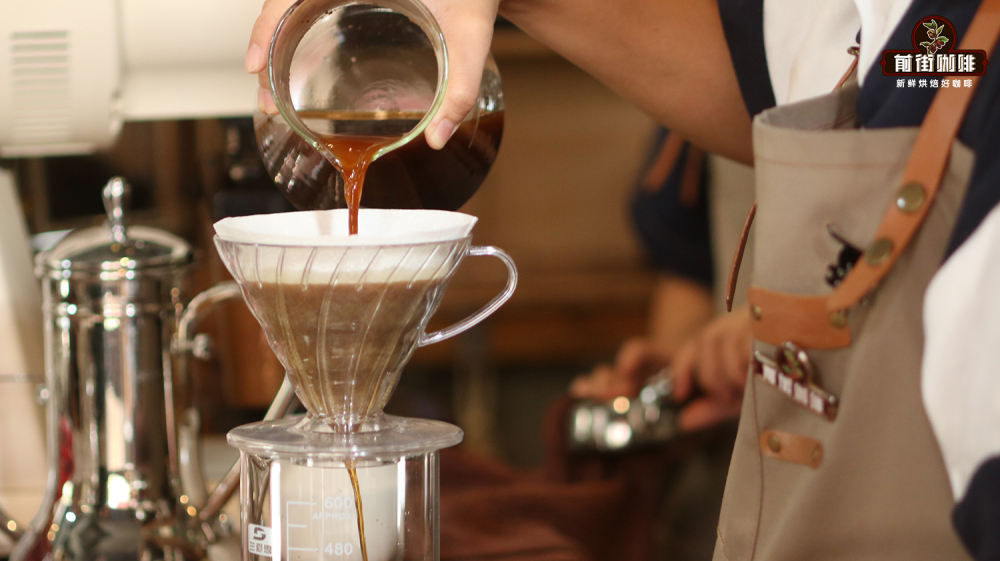
Iced pour-over coffee, also known as Japanese-style iced pour-over, can be simply understood as normally brewed coffee diluted and cooled with ice. To avoid the ice diluting the coffee's flavor, iced pour-over coffee uses a lower powder-to-water ratio during brewing, brewing with less water to obtain a higher-concentration coffee liquid, and then cooling it with ice.
【Front Street Iced Pour-Over Coffee Preparation Method】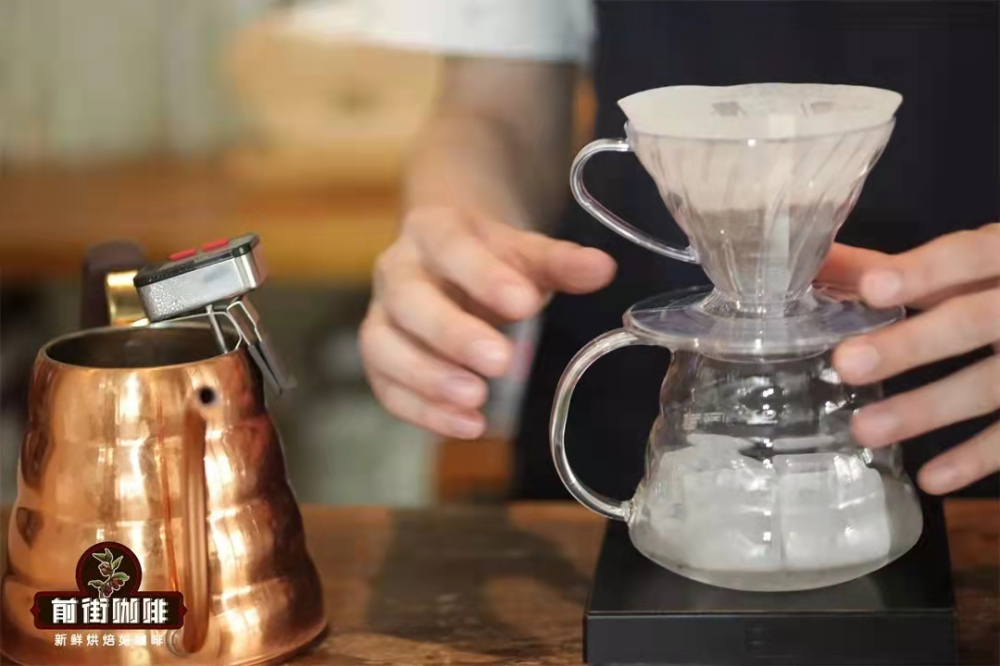
Taking 15 grams of coffee grounds as an example, the grind size is finer than for hot pour-over coffee, such as a passing rate of 85% through a No. 20 sieve for light-roasted coffee. The ratio of coffee grounds to water to ice is 1:10:5. The water temperature is the same as for regular hot pour-over: 90°C to 93°C for light-roasted coffee, and 87°C to 89°C for medium-roasted coffee. The brewing technique for iced pour-over coffee is the same as for hot pour-over, using a three-stage extraction method. After brewing, shake or stir the dripper to allow the ice to fully contact the coffee liquid, rapidly cooling it while maintaining consistent concentration.
Differences Between Ice Drip Coffee, Cold Brew Coffee, and Iced Pour-Over Coffee
Iced pour-over coffee essentially extracts the early and middle stages of coffee substances, then cools and dilutes it with an equal proportion of ice to the appropriate temperature and concentration. Therefore, the mouthfeel is cleaner and more refreshing, easily highlighting the main flavors of the coffee.

Ice drip coffee, because it uses ice water for long-term extraction, extracts more small-molecule substances (such as floral aromas and acids), while large-molecule substances (such as the bitterness of tannic acid) are harder to extract. Additionally, after production, it is bottled and fermented at low temperature for 12 hours, so it has a distinct fermented flavor and the sweet aroma of the coffee beans themselves, with a refreshing and delicious taste.
The liquid expressed by cold brew coffee is not as transparent as ice drip coffee, and a thin layer of oil floats on the surface. In terms of flavor and mouthfeel, it appears slightly heavier and more balanced compared to ice drip coffee. Compared to hot extraction, sweetness and bitterness are less easily perceived, but acidity is more easily detected. Due to the low temperature, the flavor lasts longer.
Is the Caffeine Content High in Cold Brew Coffee and Ice Drip Coffee?
Recently, some friends have asked Front Street about caffeine-related questions: Is the caffeine content high in cold brew coffee and ice drip coffee? How much caffeine is in espresso and instant coffee? How much coffee can I drink daily without risking my health?

Many people believe that ice drip coffee has low caffeine content because the lower the water temperature, the harder it is for caffeine to dissolve (the minimum temperature for caffeine dissolution is above 80°C). However, the low amount of caffeine extracted by cold water can accumulate significantly over long extraction times. The caffeine content varies greatly depending on the coffee beans used, the interval between water drops, and the total extraction time. As for the content in some pre-packaged instant coffees on the market, you can refer to the packaging. As for how much is safe to drink, an authoritative organization states that the safe daily caffeine intake for adults should be 400 milligrams. On this basis, it also depends on the individual's sensitivity to caffeine.
The above content is compiled by CoffeeHunters, a coffee news website.


