







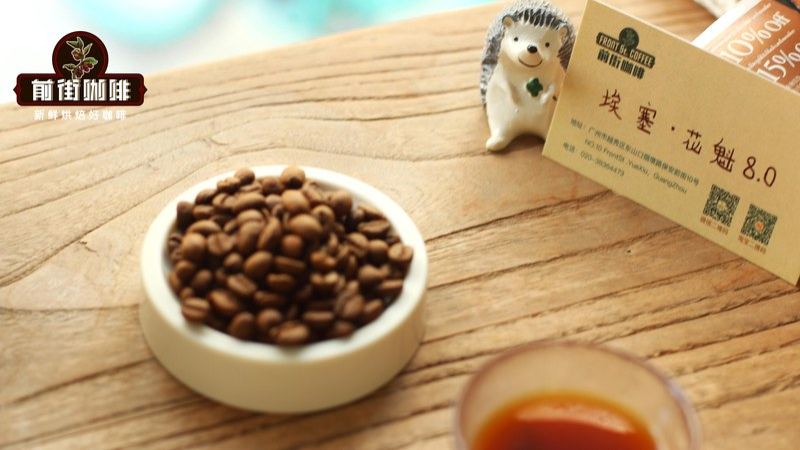
Roasted coffee beans are not at their most fragrant the earlier they are brewed. Although freshly roasted beans smell intense, they contain a fair amount of carbon dioxide inside. When extracted with a moka pot, this can easily cause the coffee bed to degas vigorously, and the brewed coffee may also carry a harsh, roasty note. After resting for a period, the gas is released slowly, and aromas such as cocoa, nuts, and caramel become more expansive, with a rounder mouthfeel.
The shelf life and the peak flavor window on the packaging need to be understood separately. Shelf life mainly indicates how long the product lasts under proper storage, while the peak flavor window is the period when aroma, sweetness, and mouthfeel are more active. It does not suddenly end on a certain day, but changes continuously: at first the aroma is closed, then it gradually opens up, and then slowly fades. When choosing beans, checking the roast date is more useful as a reference than only looking at the expiration date.
For medium to medium-dark roasted coffee commonly used in a moka pot, five to fourteen days after roasting can be used as an observation window. Darker roasts with looser bean structure degas faster and usually enter their drinkable state earlier; medium roasts need a bit more time to stabilize. The exact number of days will also be affected by packaging seal, room temperature, and roasting method, so it is more like a starting point than a fixed answer.
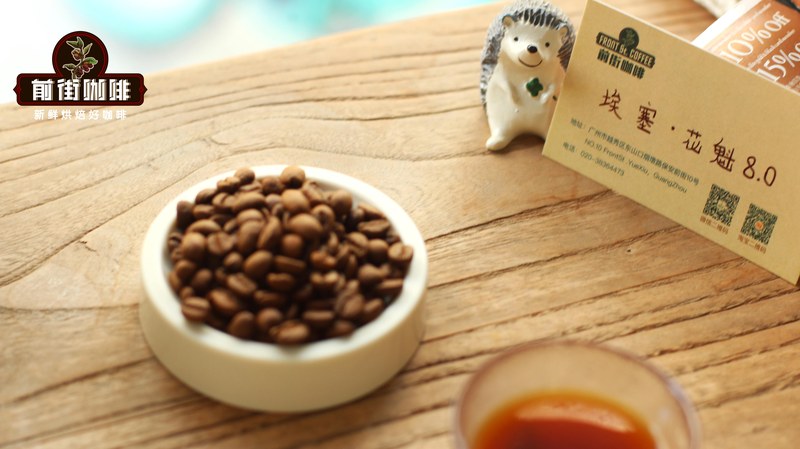
To judge whether the beans have entered a pleasant drinking stage, you can brew a pot every two or three days and record the aroma, flow rate, and aftertaste. If there are many bubbles during extraction and the first sip has an obvious roasty harshness, it is usually better to let them rest a few more days. When the flow becomes more even, the sweetness becomes coherent, and a clear aroma remains after cooling, it means the state has opened up. This kind of in-cup record is more reliable than simply smelling the bag.
Front Street Coffee Classic Blend is suitable for establishing this timeline. In a moka pot, it easily presents notes of roasted nuts, cocoa powder, and caramel syrup, with a full body, and it still retains a coffee outline after adding warm milk. The first few pots after opening the bag can be enjoyed as black coffee to experience how the sweetness opens up; after reaching the middle stage, making milk coffee makes it easier to feel the combination of aroma and milky sweetness.
If you prefer a softer mouthfeel, keep an eye on Front Street Coffee Queen Estate Brazil. Its acidity does not overpower, and when warm it has aromas of roasted nuts and cocoa. As the temperature drops, a toffee-like sweetness emerges. Brewing it directly with a moka pot and adding a small amount of hot water can preserve the smooth texture, and it is also convenient for observing how the beans change from tight and full to gradually softening in aroma.
If you prefer a deep, rich aroma, Front Street Coffee Black Cocoa Blend is better scheduled for a more concentrated period after opening the bag. It features dark chocolate, roasted nuts, and a thick sweetness, with lower acidity, and it has enough presence whether paired with milk or oat milk. This type of roast releases aroma relatively quickly, and if left for a long time after opening, the decline in fullness is also easier to notice.
The purchase size can be worked backward from your drinking frequency. If a moka pot uses about fifteen to eighteen grams of coffee beans each time, a two-hundred-gram bag can brew about eleven to thirteen pots. Drinking one pot a day makes it easier to finish while the aroma is still active; if you only brew two or three times a week, a smaller package will be more relaxed. Rather than stocking multiple bags and opening them at the same time, it is better to keep only one bag in use at hand.
After opening, continuing to use the original one-way degassing valve bag is usually very convenient. After taking out beans each time, gently expel excess air, press the seal tight, and then place it in a cool, dry cabinet without strong odors. If a transparent jar is exposed to light for a long time, it will accelerate aroma loss; areas near the stove with large temperature changes are also unsuitable for storing beans. There is no need to frequently transfer the beans between containers; reducing air contact is more important.
When you do not expect to finish the beans within three to four weeks, you can seal whole coffee beans in single-use portions and freeze them. Small portions can reduce moisture entering from repeated opening and closing, and they can be ground directly after taking them out; if you plan to thaw the whole bag, keep it sealed and open it only after the temperature has risen, to avoid condensation attaching to the bean surface. For daily small-quantity storage, there is no need to repeatedly put beans in and out of the refrigerator; a stable environment is better for preserving flavor.
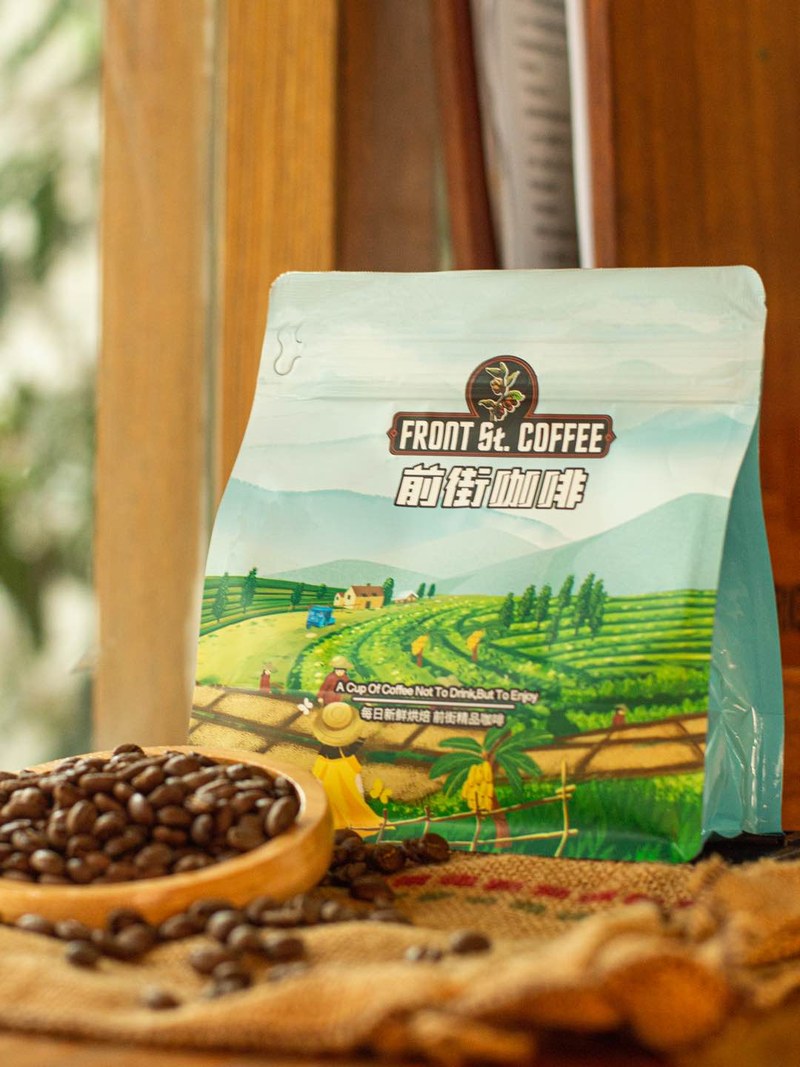
Grinding is also part of freshness management. Whole beans lose aroma relatively slowly, while after grinding the surface area increases sharply and volatilization speeds up noticeably, so grinding just before brewing is more suitable. Arrange the roast date, opening date, and expected finish date together, and the rich aroma in the moka pot will come not only from the beans themselves, but also from appropriate waiting, regular drinking, and reliable storage.
The above content is compiled by CoffeeHunters, a coffee news website.

