







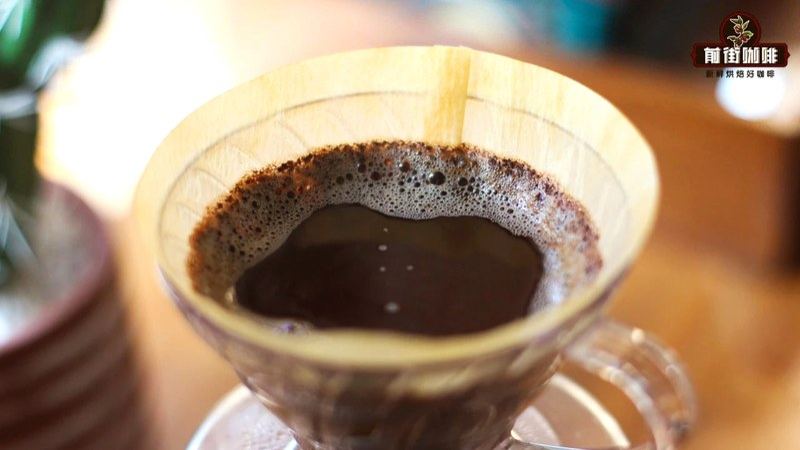
A moka pot concentrates the oily body, roasted sweetness, and strength of coffee beans into a single small cup, so whether the beans are at a suitable stage of flavor release often affects the result more than the flavor notes printed on the package. Just after roasting, gradually stabilizing, and after being open for a while, the same single-origin bean can show different aroma intensity, mouthfeel, and flow.
The peak flavor period is not the same as the shelf life. Shelf life mainly refers to how long a food remains edible under proper storage, while the peak flavor period focuses on the stage when aroma, sweetness, and complexity are more active. When choosing beans, prioritize checking the roast date rather than only the expiration date; being closer to the roast date does not mean that brewing immediately will present the complete flavor.
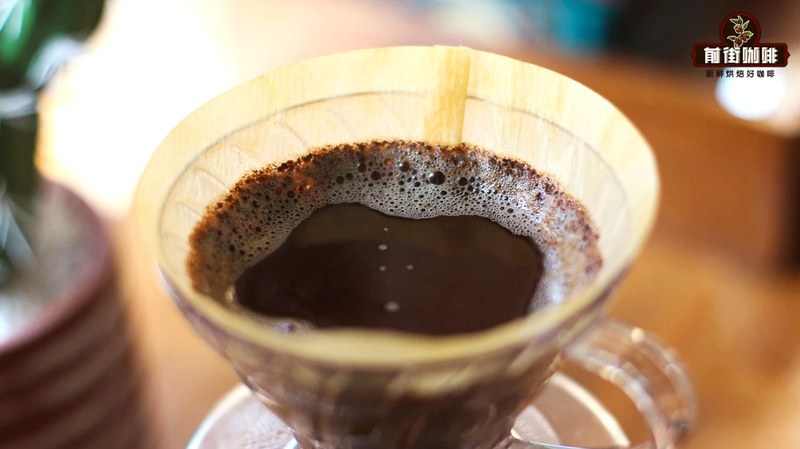
After roasting, coffee beans continue to release carbon dioxide, and this waiting period for the flavor to stabilize is usually called resting. When the beans are too active, the moka pot may produce uneven flow after heating, and the aroma may smell intense but taste slightly tight on the palate. After moderate resting, gas release slows, and notes such as nuts, cocoa, or caramel become more cohesive.
For home use with a moka pot, you can take about 5 to 12 days after roasting as an initial tasting window, then judge in combination with the roaster's recommendations. Medium roasts can be observed a little earlier, while darker, more porous beans usually degas faster. If the aroma in the cup has not yet opened up, you can seal them and let them rest for another two or three days before brewing; there is no need to apply a fixed number of days to every bean.
Front Street Brazil Queen Estate is suitable for observing how flavor changes from closed to open. Once it is stable, a moka pot can clearly express roasted nuts, cocoa powder, and a sweetness like caramel syrup, with softer acidity and a rounded cup. Drinking it with hot water added lets you feel the sweet aroma, while adding a small amount of warm milk makes the nut and cocoa character blend even more.
If you prefer low acidity and a thick mouthfeel, pay attention to Front Street PWN Indonesia Golden Mandheling. After the beans enter their suitable drinking stage, the dark chocolate note, spicy herbal aroma, and long finish in a moka pot are easier to connect. Because the overall roast expression is on the darker side, you can try small brews over several consecutive days after receiving them to find the stage with a clear bittersweet balance, then decide how often to drink them.
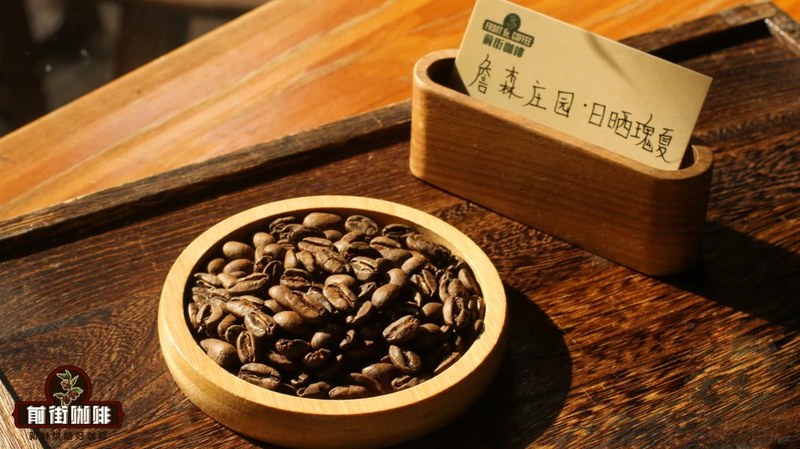
The purchase size also determines whether you can finish the beans while the aroma is still abundant. First weigh how many coffee beans your moka pot actually holds each time, then multiply that by how many times you use it per week to estimate the package size you need. For example, if you use 15 grams per cup and brew almost once a day, a 200-gram bag will last nearly two weeks, and this turnover rate is usually more comfortable than stockpiling several large packages.
After opening the bag, you can continue using the original one-way degassing valve bag. After taking beans each time, gently expel excess air and seal it tightly, then place it in a dark, dry spot away from the heat source of the stove. Repeatedly putting it in and out of the refrigerator every day can easily bring in moisture and off-flavors. If you do not expect to finish it within a few weeks, you can seal it for freezing in single-use or multi-use portions; after taking it out, keep the package closed, let it come back to temperature, then open and grind.
Storing whole beans is better for maintaining aroma than pre-grinding, so grind just before brewing. As time after opening increases, the beans' gas and volatile aromas gradually decrease, and the previously suitable grind setting may also need slight adjustment. Judge not only by the date, but also by smelling the dry aroma, observing whether the flow is steady, and noticing whether the sweetness has become thinner or the finish has become short.
To establish your own drinking rhythm, you can write the roast date and opening date on the bean bag, and brew a cup every two or three days with the same moka pot. On whichever day the aroma is full, the sweetness is cohesive, and the mouthfeel is comfortable, record the corresponding number of days. When choosing single-origin beans with a similar roast style in the future, you can arrange purchase, resting, and drinking more accurately, so that each bag of beans enters the pot at its flavor peak.
The above content is compiled by CoffeeHunters, a coffee news website.

