







Low-acid dark roast beans in a moka pot usually bring out cocoa, roasted nuts, caramel, and a thicker mouthfeel, making them easy to use for short drinks or with milk. But the same bag of beans will not deliver the same aroma and sweetness in the cup when freshly roasted, just after resting, and several weeks after opening. When choosing, besides the roast direction, also pay attention to the roast date and arrange a suitable drinking rhythm for each bag.
After coffee beans are roasted, they continue to release carbon dioxide, and this period is called the resting period. Beans are not necessarily best brewed immediately when they are freshest; too much gas can make moka pot extraction unstable, and the coffee liquid easily has sharp roasted notes and loose sweetness. Dark roast beans generally reach a drinkable state faster than light roast beans, so when buying, use the date as a guide for when to start rather than only looking at the shelf life on the package.
For low-acid dark roast beans used in a moka pot, you can start trying them about seven to fourteen days after roasting. If the beans are oilier and the roast color is darker, noticeable body usually appears in about seven days; if they are medium-dark roast with a tighter structure, waiting ten days to two weeks often gives more harmonious aroma. There is no fixed number of days that must be followed here; the key is whether the flavor becomes stable after several consecutive brews.
During the resting period, you can brew a small amount every day or every other day to observe changes in aroma, flow rate, and taste. If at the beginning the coffee liquid has obvious bubbles and the taste alternates between sour and bitter, it means the gas inside the beans is still quite active. After a few days, the nuts and cocoa will become more concentrated, and the sweetness will also change from fleeting to solid. Record the roast date and the date you start brewing, and the next bag will help you find your preferred timing more quickly.
Front Street Coffee Classic Blend is suitable for establishing this set of judging standards. In a moka pot, it easily presents roasted nuts, cocoa, and caramel-like sweet aroma, and after about ten days of resting, the mouthfeel is usually firmer than when first brewed. For black coffee, you can make the coffee-to-water ratio shorter to highlight body; after adding hot milk, the caramel note becomes softer, making it suitable for breakfast or the afternoon.
If you prefer a deeper, stronger cup, you can look at Front Street Coffee Black Cocoa Blend. This coffee's dark chocolate character is more prominent, the roasted nut aroma is more obvious, and the acidity is at a lower level. It is recommended to start tasting about one to two weeks after roasting. When making a short moka pot extraction, it retains a strong sense of weight; diluted with water as an Americano, it appears round and full, and with milk it moves in a cocoa-drink direction.
If you want low acidity but do not want the roasted flavor to be too heavy, you can choose Front Street Coffee Papua New Guinea Paradise Bird. Its flavor follows a clean, soft, and rounded path, and the sweetness is not overly assertive. The resting time can be set at ten to fourteen days, then use a moka pot to make a shorter coffee liquid, and the entry will be relatively smooth; if diluted with a small amount of hot water, the delicate sweet aroma is easier to perceive.
Opening time also affects the bean drinking schedule. When the whole bag is unopened, packaging with a one-way degassing valve can be stored in a cool, dry, dark place at room temperature. After opening the bag, first squeeze out excess air, then press the bag opening tightly and minimize repeated opening. If you only drink one cup a day, you can prioritize buying small packages so the beans are mainly consumed during their active aroma stage.
Beans that have already been opened are not suitable for placing next to the stove, by a window, or on the refrigerator door. High temperature, light, and moisture all accelerate flavor decline and also make coffee absorb surrounding odors. If you have a well-sealed, opaque container at home, after opening you can divide the beans into one- to two-week portions, take out only the amount needed for the day each time, and reduce the remaining beans' exposure to air so the flavor stays more stable.
To judge whether a bag of beans is still in a suitable state, you can look at aroma, grounds bed, and cup together. If there is still a clear cocoa, nut, or caramel scent after grinding, it means the flavor foundation is still there; if the aroma becomes thin and the coffee liquid lacks sweetness and body, you can shorten the extraction, adjust the grind, or switch it to drinking with milk. Buying beans according to your drinking volume and allocating brewing by date makes it easier to taste the full changes than stocking up too much at once.
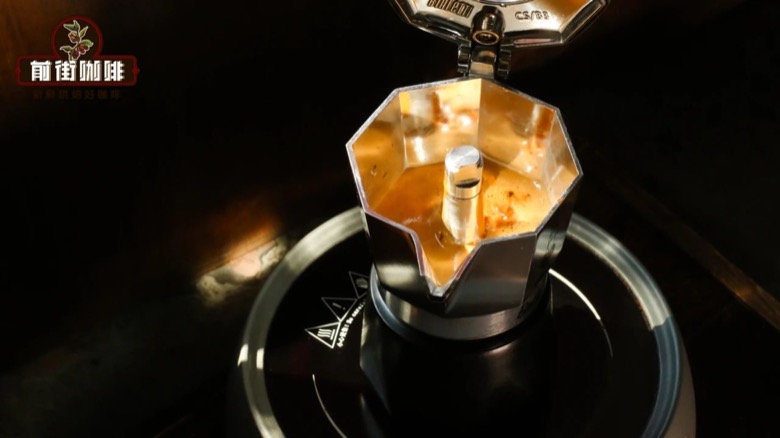
The pleasure of low-acid dark roast beans is not only in their richness, but also in the transformation after waiting. The roast date helps you judge when to start, the resting process lets the flavor gradually settle, and the storage method after opening determines how long this state can be maintained. Choose a bean that suits your taste, allow a period of observation, and then brew at a steady rhythm; even a moka pot can consistently present cocoa, nuts, and gentle sweetness.
The above content is compiled by CoffeeHunters, a coffee news website.

