








Washed coffee beans often have a clearer sweet-and-sour profile and a clean finish, while the roast level determines how these characteristics appear. Light roasts more easily preserve origin aromas, medium roasts bring sweetness and body to the forefront, and dark roasts let caramel, cocoa, and roasted notes take center stage. When choosing, look at the roast label first, then imagine what kind of cup you would be happy to drink.
If you prefer floral notes, fruity notes, and a light mouthfeel, you can start with light-roast washed beans. Their acidity is usually more lively, and the first sip may taste like citrus, berries, or stone fruit, with a refreshing tea-like sensation emerging in the middle. These beans are suitable for pour-over and also work well for iced pour-over; if you usually add sugar and milk, the delicate aromas of a light roast may need fewer additions so they are not so easily masked.
Front Street Kenya Little Tomato is a vivid example of the light-roast direction. It enters with a bright red-fruit quality, then shifts toward a sweet-and-sour note like smoked plum, leaving a soft yellow-sugar-like note at the finish. When brewing with a dripper, you can use slightly higher water temperature and a slightly finer grind to help the aromas open up fully; if the acidity feels too sharp, make the grind coarser or reduce the later pours, and the cup will feel smoother.

The key to brewing light-roast washed beans is to connect acidity and sweetness rather than amplifying one side alone. Lower water temperature and too coarse a grind can make the coffee seem thin and sharp; too high a temperature or too long a contact time may bring out astringency. For home pour-over, start with a medium-fine grind, pour in stages, and keep the flow rate steady. Judge the flavor after the coffee cools somewhat; new sweet aromas often appear during the cooling phase.
Medium-roast washed beans suit people who want clear flavor without a cup that feels too light. The caramelized sweetness from roasting combines with the original fruit acidity, making the coffee rounder on the palate, while the aroma remains recognizable and the finish is steadier than with a light roast. It has room to shine in pour-over, americano, and some milk coffees, especially when household members have different tastes and you want one bean with broader appeal.
Front Street Kafa Forest can serve as a reference for the medium-roast washed style. When brewed, it has a bright citrus note; after the temperature drops a little, the sweet aroma of ripe peach becomes obvious, and finally it shows an oolong tea-like aftertaste. For pour-over, there is no need to chase a very high extraction yield; keep the pouring even and let the coffee flow naturally, and you will get a light yet sweet cup. Made as an iced americano, it also retains a refreshing fruity aroma.
If you mainly use an espresso machine, for medium-roast washed beans you can first pay attention to the packaging descriptions of sweetness, body, and acidity. Light-roast beans may highlight fruit acidity more in espresso and need grinding and yield adjustments to find balance; medium-roast beans usually form a smoother coffee base more easily. For americano, keeping the added-water ratio shorter can concentrate the flavor; adding a small amount of milk turns the fruity sweetness into a softer creamy quality.
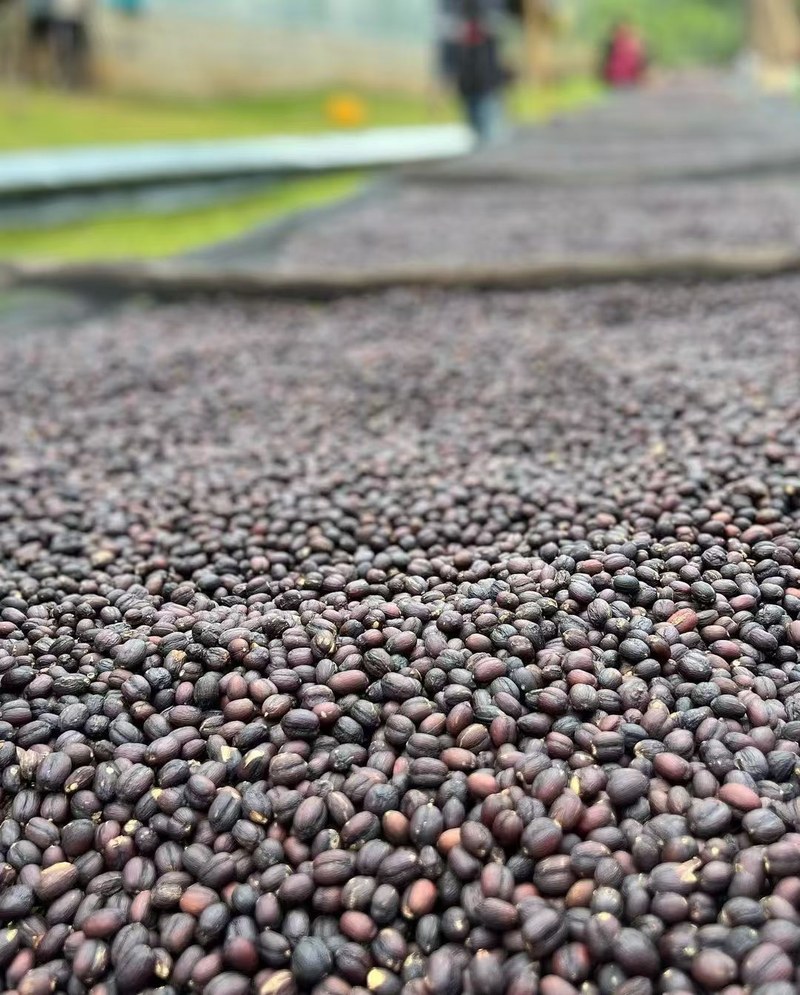
If you like low acidity, full body, and roasted aromas, you can consider medium-dark or dark roasted washed beans. The cleanliness brought by washed processing may still be present, but the cup's main character shifts toward dark chocolate, roasted nuts, caramel, and a slight smoky tone. It is better suited to espresso, moka pot, or milk coffee, and the drinking experience is fuller. When choosing, watch for labels such as full-bodied, cocoa, or caramel as clues to the expected flavor.
A dark roast does not mean you can only taste bitterness; the brewing method clearly affects the result. When using dark-roast washed beans in a moka pot, keep the coffee bed loose and control the heat at a gentler range; stop heating once the liquid turns lighter in color. For espresso, you can start with a shorter yield ratio to avoid too much bitterness accumulating in the later stage. For a latte with more milk, you need a more concentrated espresso shot to keep the coffee present.
Within the same roast level, flavor still varies with bean variety, origin, and freshness, so the roast degree on the package cannot be read in isolation. With light roasts, you can compare whether floral and fruity notes are clear; with medium roasts, observe sweetness and texture; with dark roasts, see whether cocoa and roasted notes are clean. Buying small packages makes it easier to build a reference: drink several cups in a row first, then decide whether you lean toward bright and refreshing or prefer rich and rounded.
When choosing washed coffee beans, you can treat roast level as the starting point for entry: pour-over enthusiasts can look for aroma in light or medium roasts, daily black coffee can find balance in medium roasts, and milk coffee and moka pot can extend toward medium-dark roasts. After settling on a direction, adjust grind size, water temperature, and drink ratio, and the clear, crisp character of washed beans will more easily show in the cup.
The above content is compiled by CoffeeHunters, a coffee news website.

