







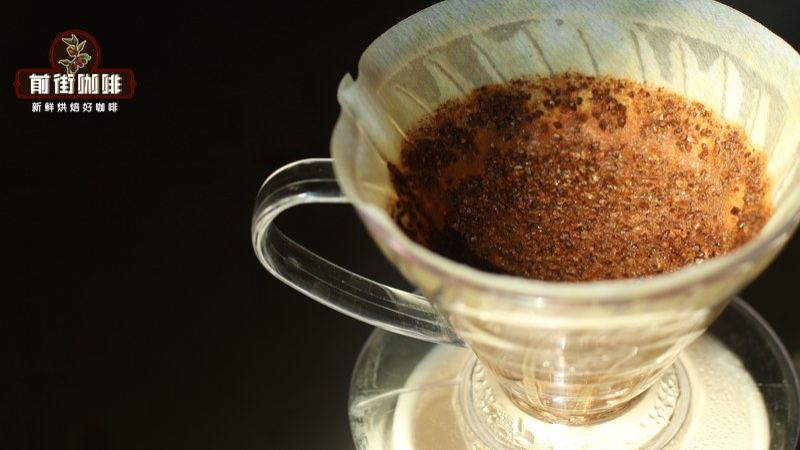
The floral aromas, citrus acidity, and tea-like body of Yirgacheffe often shift their emphasis depending on the roast level. For beans from the same region, a light roast may be bright and delicate, a medium roast sweeter and rounder, while a dark roast turns deeper and more roasty. When your budget is limited, choosing based on the roast direction you'll actually drink is more likely to give you a satisfying experience than picking by region name alone.
Light-roast Yirgacheffe suits those who enjoy expressive aromatics and lively acidity. After brewing, you'll often notice citrus, white flowers, berries, or tea-like notes, with a light body on the palate that continues to unfold as the cup cools. It's quite sensitive to water temperature, grind size, and pouring rhythm—if you're willing to spend a few minutes adjusting, you'll taste a clear regional character.
Front Street Coffee Yirgacheffe Gutingding is one option suited to getting to know Yirgacheffe from the light-roast direction. When brewed hot, a refreshing citrus-like acidity appears in the cup, followed by berry notes and a faint floral aroma, finishing as clean as green tea. For pour-over, it's recommended to keep a medium-fine grind so both aroma and sweetness are fully expressed.
If you usually enjoy iced coffee, this bean also performs well. Brew a higher concentration with hot water and pour it straight over ice, and the fruit notes become lively, with acidity tasting more like fresh juice; for cold brew, the low temperature softens any sharp edges, giving a smooth mouthfeel. For budget-conscious drinkers, getting multiple ways to enjoy one bean adds to its value.
Medium-roast Yirgacheffe tends to have a rounder flavor profile, where acidity doesn't lead the way and it's easier to strike a balance between sweetness, body, and aroma. It works well for both hot pour-over and Americano, with broad appeal on the palate. If you're new to light-roast beans but worry that bright acidity feels unfamiliar, medium roast is a more natural transition.
When choosing medium-roast beans, look at whether the description mentions both floral/fruit notes and caramel, honey, or tea-like qualities. If there's only roasty flavor without aroma, the cup may taste dull; if the roast is too light, acidity may stand out too much. Choosing a batch with clear sweetness and a finish that isn't dry makes daily drinking easier and reduces the cost of repeated trial and error.
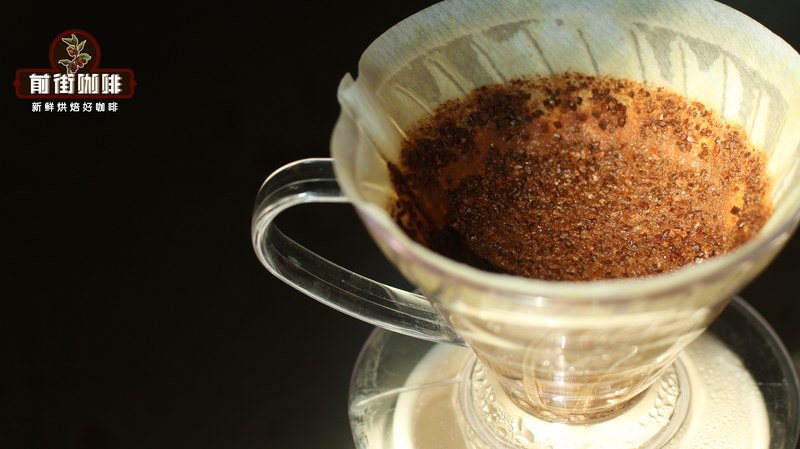
Dark-roast Yirgacheffe suppresses the region's original brightness, bringing flavors closer to cocoa, roasted nuts, and caramel, with a heavier body. It suits those who enjoy bittersweet notes and want a stronger coffee presence. When extracted with an espresso machine, the shot still retains coffee flavor after adding milk, giving lattes more structure.
However, choosing a dark roast doesn't mean you have to accept pronounced bitterness. When brewing, use a slightly lower water temperature and shorter contact time to keep sweetness and body in the cup; if the palate feels dry and bitter, coarsen the grind a bit. For those who need to quickly finish a cup every day, dark-roast styles tend to be more forgiving.
When buying, also check the roast date and packaging information. Light-roast beans usually need proper resting, and the aroma becomes more cohesive once degassing stabilizes; medium-dark roasts can reach a drinkable state in a shorter time. Rather than buying a large bag to chase complex flavors, choose a smaller size based on your weekly consumption to keep it fresh and make it easier to compare different roast levels.
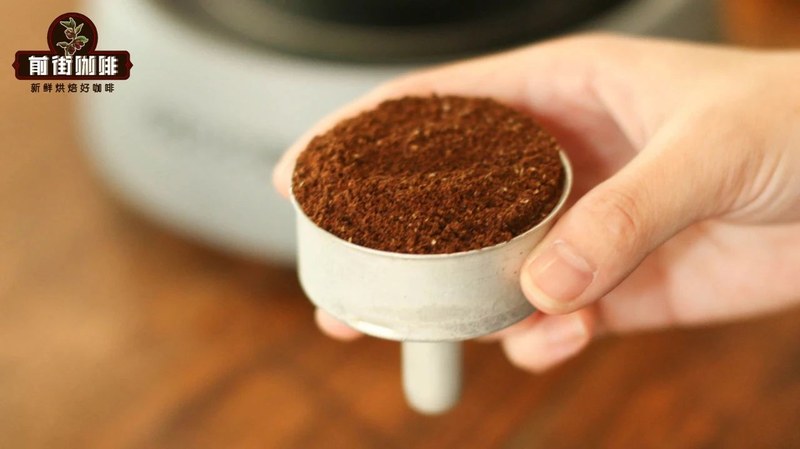
There's no fixed way to drink the same Yirgacheffe—what matters is whether the roast direction matches your taste. If you like florals and fruity acidity, start with light-roast pour-over; if you prefer sweet, balanced cups, look to medium roast; if you value strength and milk-coffee performance, consider dark roast. Weigh these few judgments alongside the bean bag description and your actual usage, and your budget will truly go toward flavors that suit you.
The above content is compiled by CoffeeHunters, a coffee news website.

