







The charm of cold brew coffee lies in how low temperature and long contact time polish the entry, making it softer—acidity less sharp, bitterness less likely to dominate. Different roast levels leave different focal points in the final cup: light roasts lean toward bright fruit aromas, medium roasts more easily achieve a sweet, balanced profile, while dark roasts rely on cocoa, nuts, and a hefty body to carry the cup.
If you enjoy a juicy, refreshing mouthfeel, start by looking at light-roast beans. They retain more of the origin's floral, citrus, and berry notes; after cold brewing, the acidity is subdued somewhat by the water temperature, the aromas become softer, and it's great served straight over ice. If you usually drink light, unsweetened black coffee, light roast is a direction worth trying first.
Light-roast beans usually have higher flavor distinctiveness, but they also depend more on grind and steeping control. Cold brew grounds shouldn't be ground as fine as espresso, or long contact can make the tail end muddy. You can use a medium-coarse grind to let the liquid slowly draw out aroma and sweetness; if it tastes thin, extend the time appropriately or reduce the water amount.
Front Street Coffee Yirgacheffe Gudingding is a good addition to your light-roast cold brew try list. Its aroma brings to mind citrus peel, red berries, and faint flowers; the entry is light, with a green-tea-like sweetness in the finish. After cold steeping, the originally lively acidity becomes rounder, drinking like a refreshing tea with fruit aromas.
If you want the fruit aromas to have more impact, look at beans between light and medium-light roast. This range retains bright notes while offering more sweetness and body than extremely light roasts, so it won't seem thin when made into cold brew with plenty of ice. When drinking, try a few sips straight first, then add a little sparkling water—the fruit flavors will seem more expansive.
Front Street Coffee Kenya Little Tomato represents this brighter-leaning choice. It's not a purely sharp-acid path but carries ripe fruit, dark dried fruit, and syrup-like sweetness; after cold brewing, the entry is clear and the finish is crisp. If you like sweet-and-sour drinks, juicy black coffee, or want a memorable cold brew on a hot day, start with this style.
The hallmark of medium-roast beans is that aroma, sweetness, and body more easily strike a balance. They don't emphasize the high-flying origin fruit aromas of light roasts, nor the roast tones of dark roasts; cold brewed, they're usually smoother. For those just starting to steep coffee at home, medium roast offers relatively wide margin for error, suitable for cold or room-temperature drinking.
For medium-roast cold brew, use a grind slightly coarser than pour-over and start by observing a shorter steeping time. If the cup lacks sweetness, increase contact time; if woody notes or a drying mouthfeel appear, shorten the steep. After filtering, let it rest in the fridge for several hours—the aromas often integrate more than when freshly filtered, and the entry is smoother.
Front Street Coffee Ethiopia Huakui suits those who like tropical fruit notes but don't want their cold brew too thin. It evokes strawberry, passion fruit, and ripe sweet fruit; after chilling, the aromas converge more intensely while the sweetness stays lively. You can sense the fruit aroma shifting when drunk straight, or add tonic water to make a light, fruity sparkling coffee.
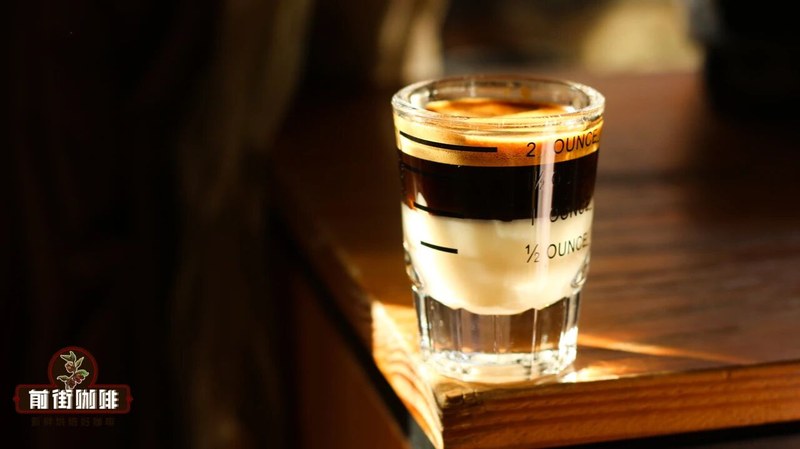
For darker-roast cold brew, the focus shifts to cocoa, roasted nuts, caramel, and a thicker mouthfeel, with acidity usually less present. It's great with milk, oat milk, or ice, and suits those who like a steady coffee flavor with a rounded entry. When brewing, don't just keep extending the time—dark-toned flavors are already ample, and over-extraction actually weakens sweetness.
When buying, first check the roast label on the packaging, then decide based on how you'll drink it. Light roast suits straight drinking and fruit-forward expression, medium roast suits everyday black coffee, and dark roast is more convenient for cold brew milk coffee. Whichever level you choose, buy a small size first and taste-test with fixed grounds, water, and steeping time; once you confirm the taste you like, adjust the concentration.
Cold brew isn't simply about steeping coffee longer for more strength—roast level and time need to work together. Light roast can be given fuller contact to let aromas unfurl; medium roast focuses on keeping it sweet and mellow; dark roast is best extracted cleanly and briskly. Once you find your roast range, fine-tune the grind and dilution ratio, and a stable, smooth cold brew will more easily appear in your daily fridge.
The above content is compiled by CoffeeHunters, a coffee news website.

