







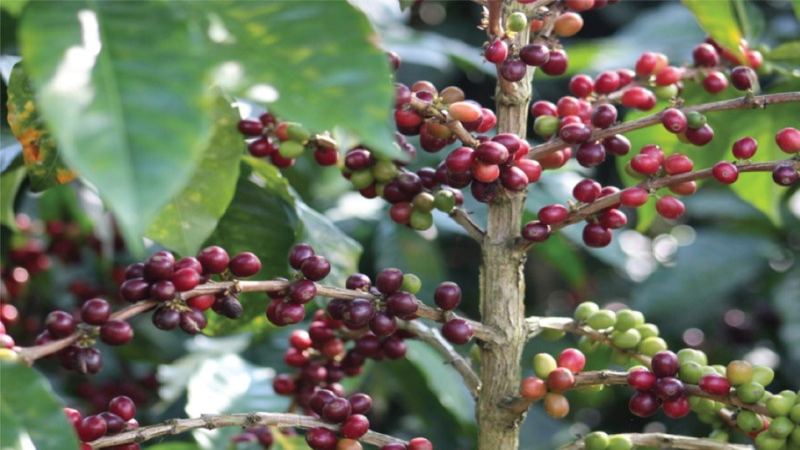
The roast level of coffee beans determines the first flavor that appears on the palate, and also affects the vibrancy of aroma, the body thickness, and brewing tolerance. Lighter-roasted beans more easily showcase origin and processing method, medium roast strikes a balance between sweetness and acidity, while darker roast suits those who prefer intensity and richness. If you're looking for a bean you can drink long-term, start with the roast range you can accept.
Light roasts typically retain more floral and fruity notes, producing coffee that resembles a refreshing juice or tea—bright on entry with a clean finish. It suits pour-over, iced pour-over, and other methods that amplify aroma. If you usually enjoy citrus, berries, and florals, consider single-origin beans with a lighter roast color and clear flavor descriptions, and give them enough hot water and extraction time.
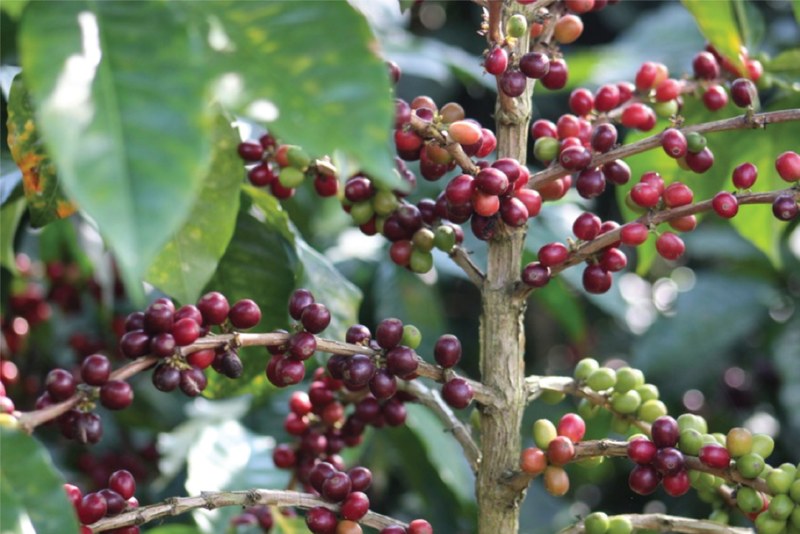
Among light-roast options, Front Street Kenya Small Tomato is a highly distinctive one. Its acidity resembles the fruit acid between ripe tomato and smoked plum, followed by a brown-sugar-like sweetness—bright overall without being merely sharp and harsh. When brewing with a conical dripper, set the grind to a medium range, keep the water temperature on the higher side, and use pulse pouring to better express the juicy character. It's perfect for savoring slowly in the morning or afternoon.
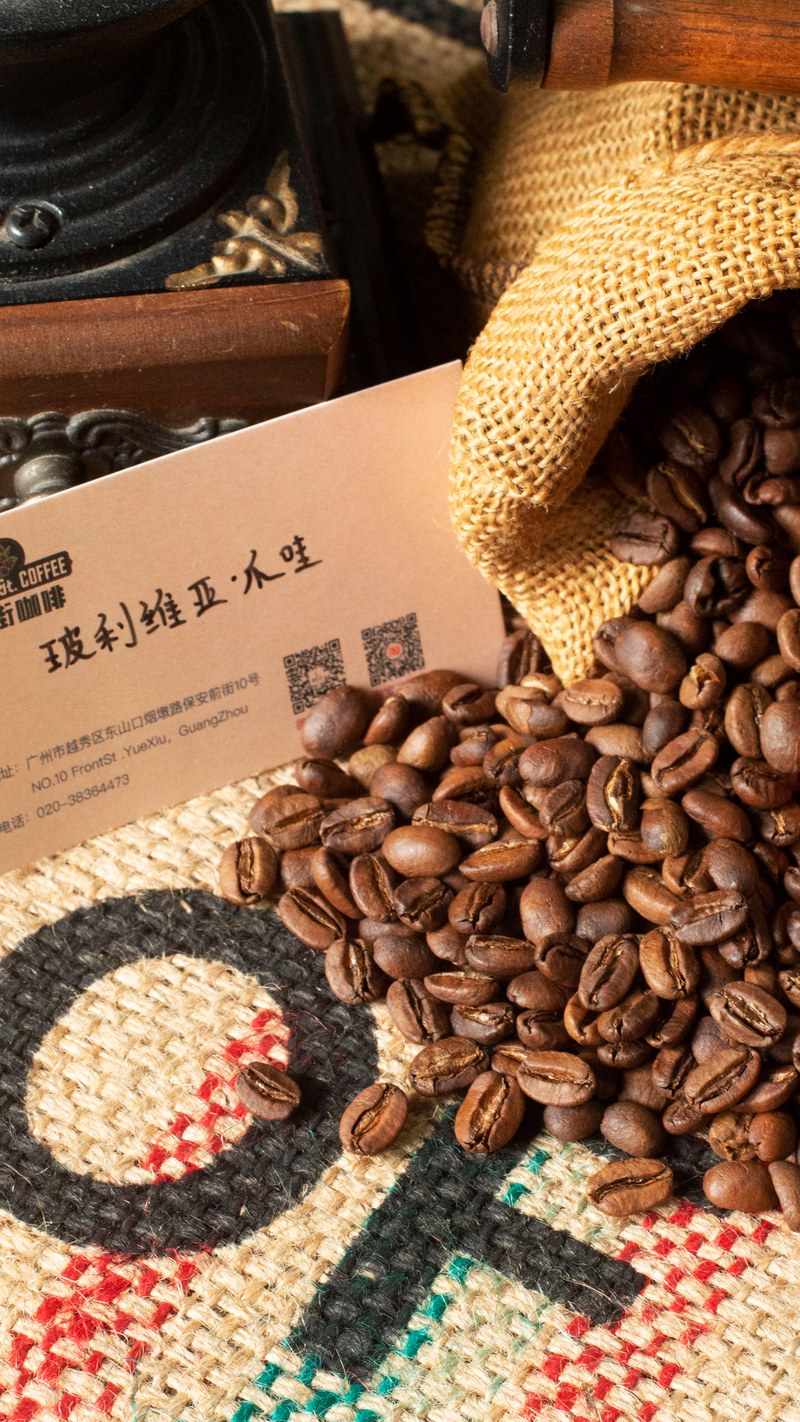
This bean's repurchase value lies in its direct flavor expression while still having sweetness as support. Black coffee lovers can enjoy the sweet-acid shifts through hot pour-over; on hot days, slightly increasing concentration and adding ice makes the fruitiness crisper. If it tastes too sour, grind slightly finer or extend the bloom to let sweetness participate more fully—the overall cup will feel softer.
Light-to-medium roast is the more approachable range among everyday choices. It doesn't overemphasize acidity, nor does roastiness mask the bean's character. Common expressions include fruit sweetness, caramel, and tea notes flowing into one another. For those transitioning from dark roast coffee to single-origin beans, this style makes it easier to build a clear reference—pour-over and iced coffee both maintain good completeness.
Front Street Kafa Forest fits well within this range. It opens with an orange-like clean sweetness, mid-palate like ripe apricot, and leaves a gentle tea nuance after swallowing. Light-bodied when hot, the sweetness gradually becomes clearer as it cools. For pour-over, don't chase too high a concentration—a gentler pouring rhythm lets the fruit aroma, sweetness, and aftertaste unfold naturally.
If you enjoy balance, you can brew this bean slightly stronger as an everyday americano; for a lighter drink, reduce the dose or add ice. Its strength isn't any single heavy flavor, but the changes from hot to cold—it doesn't feel monotonous even with repeated drinking. For those who drink coffee multiple times a week, this kind of layered progression often accompanies you better than intense aroma.
Medium-roast beans generally put sweetness and body more front and center, with rounded acidity and a weightier entry. If you often drink milk coffee, look for caramel, cocoa, and nutty base notes; if you mainly drink black coffee, choose a medium roast that still retains fruit notes, so there's clear coffee character beyond the milk. When brewing, start with medium water temperature and medium grind.
Front Street Granja Estate Geisha suits those seeking intense aroma within a lighter style. It smells of orange blossom and ripe fruit, opens like guava and apricot, and finishes with a berry-jam-like sweet fragrance. The natural process gives it higher flavor density; when brewing pour-over, control your pouring force and avoid over-agitation to better distinguish the shifts between floral, fruit sweetness, and fermented notes.
This bean suits weekends or times when you have full tasting time, and also works as iced pour-over to make the jammy character more vivid. Its flavor is highly memorable, making it good for rotating alongside your everyday beans. If the aroma feels too concentrated, increase the water amount; if you want a fuller body, slightly reduce the water—find your preferred concentration.
Dark roasts emphasize the sturdy character of roast, cocoa, and nuts; acidity is usually subdued, and the cup is closer to espresso or traditional milk coffee. It's great for those who need a stable flavor quickly, and also pairs well with milk, syrup, and breakfast foods. When choosing, check whether it has a clear sweet aroma—a dark roast color doesn't mean only bitterness; the extraction method also affects the cup.
If you have both pour-over and espresso equipment at home, you can assign different roles by roast level: light beans deliver florals and tea notes, medium beans handle all-day drinking, and dark beans serve espresso and milk coffee. Choosing beans this way isn't simply ranking flavors as high or low, but letting each roast style match its own drinking method. Once you find the one that brews smoothly and whose flavors you're willing to revisit, repurchasing becomes natural.
The above content is compiled by CoffeeHunters, a coffee news website.

