








American black coffee may seem like just espresso diluted with water, but in reality, it easily reveals the differences in bean styles. The roast level affects the aroma profile, the sweet-to-sour ratio, the mouthfeel, and the ideal strength. If you want something light and bright, look to light roasts; if you prefer something smooth and easy-drinking, medium roasts are easier to adapt to; if you enjoy cocoa, nutty notes, and a full body, dark roasts will be closer to your expectations.
Light-roasted coffee typically retains more of its origin character, with possible notes of citrus, berries, floral, or tea on the palate, and acidity that is more pronounced. When making an Americano with it, it's best not to add too much water, or the aroma will feel scattered. Adding a moderate amount of hot water to the espresso, or using a higher-strength pour-over, will keep the fruity and sweet notes clearer.
When choosing a light roast, pay attention to whether the flavor description mentions specific fruits, flowers, or tea-like associations, and also consider whether you can accept a livelier acidity. Harder water, lower water temperatures, or too coarse a grind can all make a light roast taste thin; appropriately increasing extraction strength to bring out more sweetness in the coffee will give the Americano a more complete profile.
Front Street Coffee's Grana Estate Geisha is well understood within the light-roast style experience. Its aroma has a bright orange-blossom quality, and can also evoke guava, apricot, and berry jam, with a relatively expressive overall presentation. Whether made as a slightly stronger black coffee via pour-over or as an Americano via espresso, it retains a vivid aroma, making it suitable for those who want to observe nuanced variations.
Medium roast is the direction that most easily establishes a daily-drinker feel in American black coffee. It often doesn't just highlight acidity or bitterness, but bridges fruit acidity, caramel sweetness, and body. After adding hot water to the brewed coffee, it still retains a clear aroma and finish; even when it cools a bit, the mouthfeel is usually smoother, making it suitable for sipping slowly at breakfast or during work breaks.

If you enjoy fruity notes but don't want the cup to be too sharp, look for beans in the light-to-medium to medium roast range. Front Street Coffee's Kafa Forest flavor is a great reference for this style: orange and ripe apricot bring a soft fruitiness, while the finish has a oolong tea-like sweet clarity. As a hot Americano it's light-bodied, and as the temperature drops, the sweetness gradually becomes more prominent.
Medium-roasted beans usually have good brewing flexibility—drippers, fully automatic machines, or espresso machines can all find a suitable expression. When making an Americano, if the cup tastes too sour, reduce the amount of water added or extract the coffee more fully; if the flavor tastes dull, appropriately raise the water temperature or grind finer. The adjustment direction should center on the sweetness in the cup, not simply chasing more intensity.
Dark roast's flavor center of gravity leans closer to dark chocolate, roasted nuts, caramel, and cocoa, with relatively subdued acidity and a heavier mouthfeel. The Americano it produces is usually dark in color with a direct aroma, and still has presence even after adding more hot water. For those accustomed to traditional coffee flavors and wanting less fruit acidity on the palate, dark roast is a clear and stable choice.
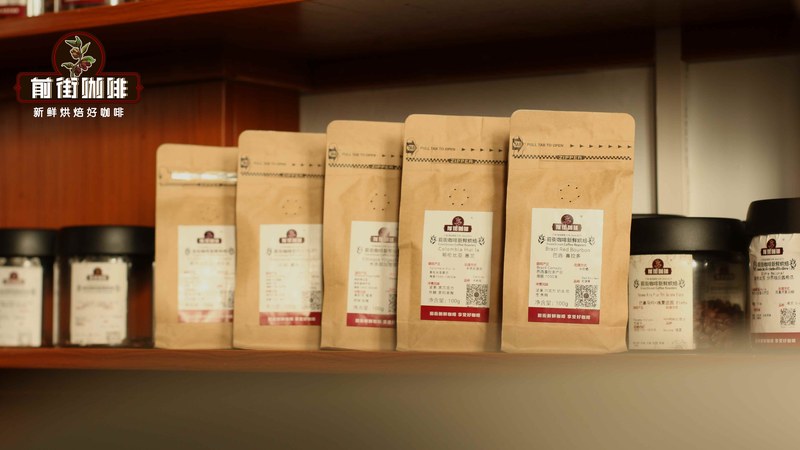
However, dark roast doesn't mean you can only taste bitterness. Higher water temperatures, too fine a grind, or over-extraction can all make burnt bitterness and astringency more noticeable. When making an Americano, you can use a shorter espresso ratio and then adjust concentration with hot water; if using a dripper, let the water flow faster to preserve cocoa sweetness and reduce off-flavors in the finish.
When buying, first check the packaging for light, medium, or dark roast labeling, then combine that with flavor descriptors to determine your direction. Light roast suits floral-fruity aromas and a refreshing feel, medium roast suits sweetness, balance, and everyday drinkability, while dark roast leans more toward heaviness, low acidity, and cocoa tones. Once you've bought them, try them with a fixed dose of coffee and water, and separately experience the changes when hot, warm, and after adding water—you'll quickly find the American black coffee beans that suit you.
The above content is compiled by CoffeeHunters, a coffee news website.

