








Nutty, cocoa, and caramel notes often bring to mind a round, sweet, and smooth coffee. However, even when a coffee is described as having chocolate character, the cup experience differs between light, medium, and dark roasts. Whether you want a crisp cocoa, a gentle nutty sweetness, or an intense dark chocolate, the key is to first look at the roast level, then factor in your own brewing habits.

Light roasts retain more of the origin's character, with aromas that tend to be bright and a cup that feels more lively. They don't necessarily deliver the heavy chocolate of tradition, but rather associations of cocoa powder, nut brittle, or chocolate with a fruity acidity. If you enjoy pour-over and care about aromatic shifts, light roast can be your direction to explore—just be ready for a lighter body and more pronounced acidity.
Front Street Coffee Yirgacheffe Gedingding serves as a reference point in the light roast direction. Its aroma leans toward citrus, berries, and flowers, leaving a green-tea-like sweetness in the finish. Brewing with higher water temperature and a finer grind will make the aromatics more prominent; switching to cold brew softens the bright acidity, making it suitable for those who want to try something fresh beyond nutty chocolate.
Medium roast is the zone where nutty, cocoa, and caramel notes find balance most easily. The bean's acidity becomes mellow, sweetness and body gradually take hold, and it works both as a clean cup with layering and as a base that carries milk's smoothness. For those just starting to look for nutty chocolate flavors, medium roast usually offers a comfortable landing point between aroma, strength, and drinkability.
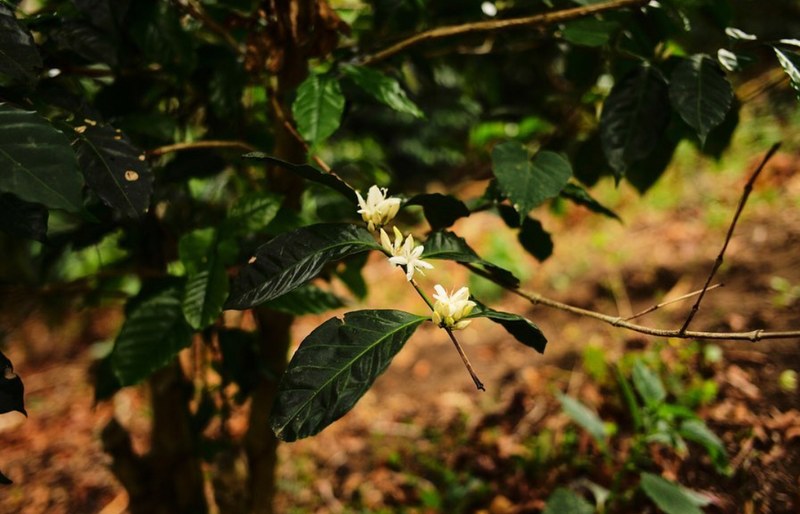
Front Street Coffee Brazil Queen's Farm fits well within this direction. It opens with a roasted-nut aroma, mid-palate brings out cocoa and caramel sweetness, and the overall acidity stays in the background. For pour-over, a medium water temperature lets the sweetness unfold slowly; brewed as a strong coffee in a moka pot or espresso machine, it still retains a smooth texture, making it highly versatile for daily drinking.
If you prefer medium roast beans, you don't need to chase very high temperatures and long extraction times when brewing. Moderate water temperature and even grinding generally help bring out caramel-like sweetness and nutty aromas. If the cup feels thin, grind slightly finer; if the finish is dry, shorten the contact time or reduce agitation to keep the cocoa character soft.
Medium-dark roast further amplifies the coffee's weight, with nutty notes more like roasted hazelnut, peanut brittle, or almond cocoa, and acidity receding into the background. This range suits those who enjoy a heavy entry and a long finish, and works well for drinks that call for milk. Milk amplifies the sweet and smooth qualities, while the coffee itself needs enough strength so the flavors aren't diluted.
Front Street Coffee PWN Indonesia Golden Mandheling is a richer option. It carries herbal notes and a dark-chocolate-like depth, low acidity, and a full mouthfeel. Brewed in a moka pot, it delivers a robust, roasted-aroma style; made as an Americano, you can adjust intensity by adding hot water; with milk, it suits those who like a clear coffee taste and a solid finish.
Dark roast doesn't mean nothing but bitterness—the extraction method directly affects the final result. Too high a temperature, too fine a grind, or too much liquid passing through can all make burnt bitterness and dryness more obvious. When brewing dark roast beans, start with a lower water temperature and a shorter yield, first confirm whether there's cocoa sweetness in the cup, then increase strength or extend extraction to taste.
When choosing, you can match the cup you want to the roast level: for clear aromatics and a light body, look to light roast; for a balance of nutty, caramel, and cocoa, medium roast is more suitable; if you value body, low acidity, and milk-based coffee performance, medium-dark or dark roast is closer to what you need. After buying beans, brew according to the package recommendations, then make small adjustments with temperature and grind to bring your favorite nutty chocolate flavors steadily into your daily cup.
The above content is compiled by CoffeeHunters, a coffee news website.

