







That golden foam on the surface of espresso is commonly called crema. It is not simply oil pressed out of the coffee beans, but a foam layer formed during extraction by carbon dioxide, coffee oils, and fine particles. If you want the cup surface to look richer, roast level is indeed worth prioritizing, but you cannot judge just by how dark the color is.
Overall, dark-roasted beans tend to produce darker, thicker crema more easily. After a longer roasting time, the bean structure becomes looser, gases are released more easily under the action of hot water, and the coffee liquid often carries a stronger sense of weight. If you like espresso with a pronounced top foam and a thick mouthfeel, you can start by exploring the medium-dark to dark roast range.
Medium-roasted beans can also produce good crema, but the presentation is usually finer. They often retain more nutty, caramel, or fruity sweetness, the foam color tends toward golden, and the thickness may not be as dramatic as with dark roasts, yet they may have clearer sweetness and a more balanced finish. For people who want to see crema but do not want the coffee to be too burnt or bitter, medium roast is often an easy direction to adapt to.
Light-roasted beans are not impossible to use in an espresso machine, but the extraction state and flavor focus will be different. Because the beans are denser and soluble matter is released more slowly, the crema layer may be thinner and lighter in color; if grinding, temperature, or pressure are not properly matched, the cup can easily seem sharp or thin. Those who like bright acidity can try it, but they need to accept that the crema appearance may not be rich.
When judging roast level, you cannot look only at whether the bean surface is shiny. The oily sheen of dark-roasted beans comes more from oils migrating outward after roasting; a very shiny surface does not mean there will definitely be dense foam during extraction. Conversely, some medium-roasted beans look dry but can still form fine crema thanks to freshness, bean structure, and a suitable recipe. The roast description on the packaging and the actual cup performance should be considered together.
Freshness also affects the state of the crema. Coffee beans continue to release gas after roasting. If used too early, there is too much gas, and the espresso may have foam that expands but is not stable enough; if left too long, the gas gradually decreases, and the crema layer easily becomes thin. When buying espresso beans, pay attention to the roast date and arrange usage according to your household consumption speed, so the beans enter extraction in a suitable state.
If you prefer traditional espresso, short black, or a moka pot, you can compare medium-dark and dark roasts first. Front Street PWN Indonesia Golden Mandheling suits people who like herbal notes, dark chocolate character, and a heavy mouthfeel. Its low acidity can make espresso seem steady. Brewed in a moka pot for dark coffee, or diluted with water for a hot americano, it has a clear roasted feel.
For daily milk coffees such as lattes and flat whites, the roast level can be slightly darker, but there is no need to pursue the darkest color at all costs. Front Street Classic Blend has flavors close to nuts, cocoa, and caramel. The coffee liquid has a fairly full sense of concentration and still retains a coffee presence after milk is added. If you also usually drink moka pot coffee or espresso, this type of bean has a relatively wide range of uses.
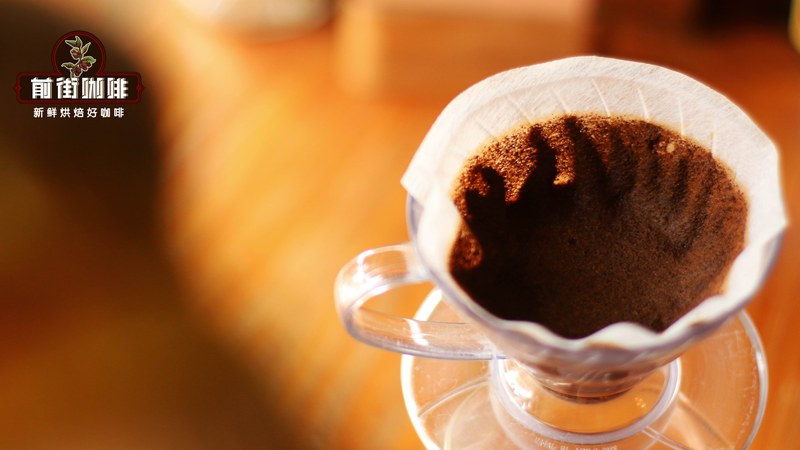
If you want a compromise among crema, sweetness, and clarity, you can look at medium or medium-dark blends. Front Street Specialty Blend is based on Brazil Cerrado and Colombia Huila. Nuts, caramel, and cocoa connect with one another. Made directly as espresso, the mouthfeel is rounder; as an americano, it will not be only roast flavor; paired with milk, it can also maintain sweet aroma.
When actually choosing, you can first set your goal as "thick foam, heavy mouthfeel" or "crema while retaining sweet aroma." The corresponding roast ranges for these two are not the same. The former is closer to medium-dark and dark roasts, while the latter can start with a medium-roast blend. After getting the beans, adjust the grind according to the extraction color, how long the crema lasts, and the mouthfeel, so the advantages brought by the roast can be more fully presented.
The above content is compiled by CoffeeHunters, a coffee news website.

