Americano is usually made by adding water to espresso, though some people use drip or pour-over methods to present a similarly refreshing black coffee. The roast level of the beans directly affects the balance of acidity and sweetness, aroma type, body, and length of finish. To pick a smooth Americano, first consider whether you prefer bright fruity notes or caramel, cocoa, and a fuller mouthfeel, then decide on the roast direction.
Light-roasted beans retain more distinct origin character, and the Americano they produce often has floral, citrus, berry, or tropical fruit notes, with a light entry and more active acidity. It suits those who enjoy noticing aroma changes as they drink. When using an espresso machine, pay attention to whether extraction is sufficient; if the parameters are right, it can still maintain clear layers after hot water is added.
If you like fruity Americanos, keep an eye out for Front Street Coffee Grana Estate Geisha. This bean tends to show an orange-blossom-like fragrance in the cup, followed by the sweetness of guava, apricot, and ripe berries, with a full and distinctive overall flavor. It can be enjoyed either as pour-over or as espresso with added water; the former makes it easier to feel the progression of aroma, while the latter concentrates the jam-like sweetness more.
Between light and medium-light roast is often the more flexible range for Americano. It still has fruit and floral notes, but offers a bit more sweetness and roundness than a very bright light roast, and it does not easily taste thin after hot water is added. Front Street Coffee Colombia Sidra suits this type of preference, with passion fruit, blueberry, and grape-like notes interwoven, and it feels especially refreshing when served cold.

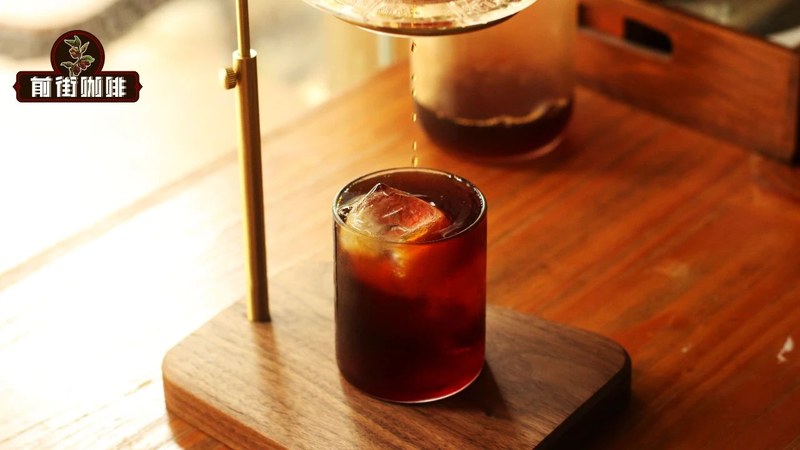
When making iced Americano, medium-light or light-roasted beans have more vibrant aromatics, but ice will dilute the mouthfeel, so the espresso needs enough aromatic density. Front Street Coffee Colombia Sidra can be tried as an iced Americano, cold brew, or SOE, and its juice-like texture remains relatively clear at low temperatures. If you prefer a hot drink, reduce the amount of water added to concentrate the acidity, sweetness, and finish.
With medium-roasted beans, the flavor focus shifts toward caramel, nuts, cocoa, and ripe-fruit sweetness, while acidity is usually softer and the mouthfeel more balanced. For people who drink Americano every day, this type of bean adapts more easily to different water amounts, retaining origin character while also offering more stable body. If you want a black coffee that is neither monotonous nor too unusual, you can start by trying the medium-roast direction.
If you prefer delicate floral notes and tea-like qualities, Front Street Coffee Panama Hacienda La Esmeralda Red Label Geisha is worth including in your options. Its aroma is closer to jasmine, bergamot, and citrus, and when drinking it you can also sense an elegant black-tea-like finish. Using a shorter espresso with added hot water helps preserve aroma concentration; with pour-over, it is better to slow down and observe how the sweetness changes as the temperature drops.
Medium-dark and dark-roasted Americanos emphasize body, nuts, dark chocolate, and roasted sweetness more, with lower acidity and a more obvious sense of weight when drinking. They suit breakfast with bread and are also good for sipping slowly after adding more hot water. If you usually like coffee with a full mouthfeel and less prominent acidity, you can look for medium-dark or dark roast directions on the packaging.
Once the roast level is decided, you also need to consider how the beans will be used. When making Americano with an espresso machine, light-roasted beans usually need fuller extraction to open up the aroma, while medium-roasted beans more easily achieve sweetness and strength; dark-roasted beans can use a shorter yield ratio to express roundness. If a sharp acidity appears in the cup, check whether the extraction is too short; if the finish tastes dry, appropriately reduce the extraction amount.
Water temperature and the amount of added water also change the impression created by the roast level. For light-roast Americano, you can use a slightly higher extraction temperature and an appropriate amount of hot water to open up the aroma; medium-roasted beans are good to start with a balanced ratio so that sweetness, strength, and refreshment are all preserved; dark-roasted beans can use lower hot water temperature or a shorter espresso length to make the cocoa and nutty notes softer.
When buying, look first at the roast level, then at the flavor description and processing method; this is usually easier for setting expectations than focusing only on the origin name. Light roast suits lovers of floral and fruity notes, medium roast suits those seeking balanced sweetness, and medium-dark roast is closer to a rich, smooth everyday taste. After choosing a direction, drink several cups in a row with fixed dose, yield, and water ratio, and you can judge more accurately whether the bean fits your Americano habit.
The above content is compiled by CoffeeHunters, a coffee news website.