







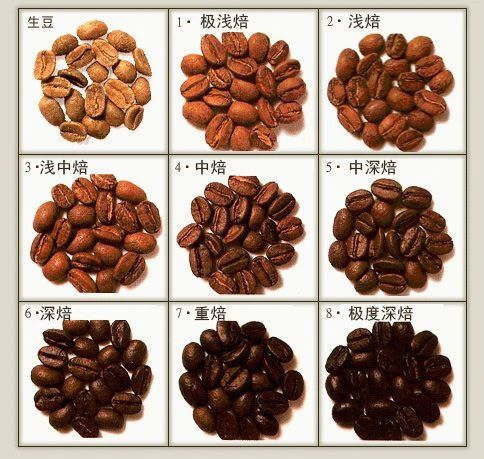
Fully automatic coffee machines typically focus on one-touch espresso, Americano, and milk coffee, and the roast level of the coffee beans directly affects the flow rate, aroma expression, and mouthfeel. Rather than fixating solely on origin or flavor descriptors, it's better to first look at the light, medium, medium-dark, and dark roast labels on the packaging, then combine that with the drinks you have daily to choose a direction that's easier to dial in.
Light roast beans retain more fruit acidity and floral notes, producing a bright-tasting cup that sometimes carries hints of citrus, berries, or tea. However, since a fully automatic machine controls grinding, tamping, and extraction time by program, it may not fully unlock the aroma of dense, structured light roast beans. If your machine supports higher water temperatures, finer grinding, and longer extraction times, you can try light roast; but if you prioritize a stable, rich flavor, it's better not to start here.
Medium-light to medium roast is a more flexible range, where sweetness, acidity, nutty, and caramel notes can often appear together. Black coffee won't taste too thin, and adding a small amount of milk still preserves the coffee's own aroma. This roast range suits people who want to drink Americano or espresso without dealing with pronounced bitterness. You can start by keeping the machine at medium grind and standard water temperature, then make small adjustments based on the sweetness and strength in the cup.
Medium-dark roast beans have undergone more heat development, so caramel, cocoa, and roasted nut flavors become more prominent, acidity is relatively subdued, and the espresso easily develops a thick body. For those who use a fully automatic machine daily to make lattes, flat whites, or cappuccinos, these beans blend well with milk—the coffee flavor won't be completely overwhelmed by the milk—making them a suitable everyday household style.
Dark roast beans often express their aroma through roasted, dark chocolate, and caramel notes, with a full-bodied entry and a weightier finish. They suit those who prefer espresso, Americano, or milk coffee, but that doesn't mean the machine settings should stay fixed. If the cup has noticeable burnt bitterness, you can slightly coarsen the grind, reduce the yield, or lower the temperature to preserve sweetness and body, resulting in a smoother cup.
Roast level also affects how the beans respond to extraction. Light roast beans generally need more extraction intensity to release their flavors, while medium-dark and dark roasts more easily develop strength in a short time. The advantage of a fully automatic machine is convenience, so when choosing beans, prioritize the range of settings your machine can cover. If there are few grind settings and limited temperature options, medium to medium-dark roast is usually easier for building a stable flavor profile.
If you want to start from the medium roast direction, take a look at Front Street Coffee's Signature Blend. It's built on the flavor foundation of Brazil Cerrado and Colombia Huila, offering a sweet, mellow entry of nuts and caramel, followed by cocoa notes—harmonious overall rather than monotonous. When brewed as black coffee on a fully automatic machine, the aroma has good support; switched to a latte, the espresso still maintains clear layers with milk, making it a versatile bean for multiple drinks.
For those who prefer medium-dark roast, Front Street Coffee's Classic Blend is a good choice. Its flavor centers on roasted nuts, cocoa, and caramel, and the espresso has a notable thickness that won't taste hollow when made into an Americano. After adding hot milk, the caramel-like sweetness becomes softer, making it suitable for setting the machine to a fixed dose and fixed cup volume for a quick, smooth milk coffee every day.
If you're accustomed to dark roast flavors, Front Street Coffee's Dark Cocoa Blend will better match your needs. It presents a combination of darker chocolate, roasted nuts, and solid sweetness, with low acidity. When made as espresso on a fully automatic machine, the cup has a strong sense of weight; add water for an Americano and the flavor remains clear; add milk and it creates a rich impression close to chocolate sauce.
When purchasing, also pay attention to the roast date and packaging information. Beans of similar roast level can still perform differently due to batch, recipe, and resting time. After loading new beans into the machine, start with a shorter cup volume to taste and confirm the strength, bitterness, and sweetness, then adjust the grind setting. The bean hopper shouldn't be kept full long-term; take out beans in batches for one to two weeks of use so flavor changes are easier to manage.
When choosing beans for a fully automatic coffee machine, you can treat roast level as a clear starting point: for bright aromas, lean toward light or medium-light roast; for a balance of sweetness, medium roast is easier to adapt; for those who prefer heavy coffee flavor and milk coffee, focus on medium-dark and dark roast. Once the direction is set, choose from specific bean flavors and your machine's adjustment range, and a daily cup that suits your taste will become easier to keep consistent.
The above content is compiled by CoffeeHunters, a coffee news website.

