







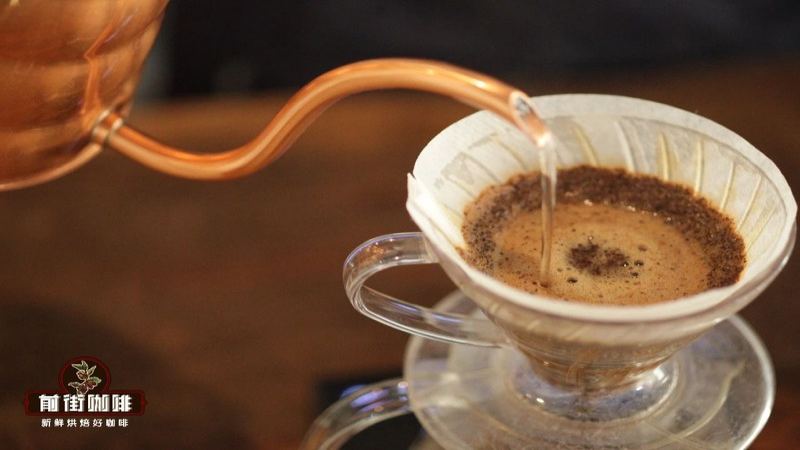
The roast level of hand-brewed coffee beans determines where the aroma comes from and also affects the acidity, sweetness, body, and aftertaste on the palate. Light roasts more easily preserve the characteristics of origin and variety; medium roasts strike a balance between brightness and sweetness; dark roasts push the flavor toward caramel, cocoa, and roasted notes. Understanding this path of change first will give you more direction when choosing beans.
Light-roasted beans suit those who enjoy fresh aromas and lively mouthfeel. After brewing, the cup may show floral, citrus, berry, or tropical fruit notes, and the layers often become clearer as it cools. It is more sensitive to grind, water temperature, and pouring rhythm, so it is recommended to use slightly higher water temperature and a medium grind to give the aroma ample room to release.
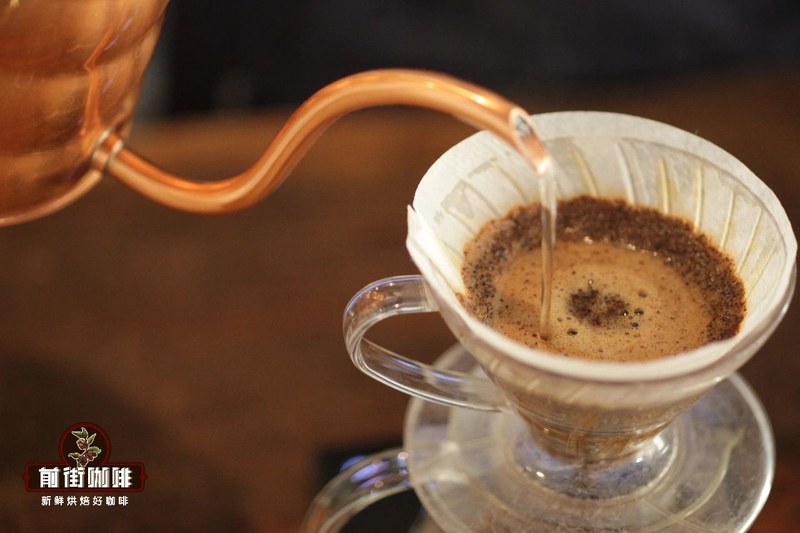
If you prefer a delicate, light drinking experience, you can look into Front Street Coffee Panama Hacienda La Esmeralda Red Label Geisha. Its aroma leans toward white flowers and citrus peel, with a refined note similar to black tea, a soft entry, and a clean finish. Brew it slowly with a dripper, pour in stages, and wait for the temperature to drop, and you can feel the aroma shift from bright to sweet.
Light roast does not equal prominent acidity, nor do all light-roasted beans require complicated operation. For those just getting into this style, you can choose beans with clearer flavor descriptions and more stable processing performance, and fix the coffee-to-water ratio and total water amount. If it tastes sharp and thin, you can grind finer or raise the water temperature so that sweetness and texture appear more completely.

Medium-roasted beans usually perform in a more rounded way, the acidity becomes softer, and caramel-like sweetness, nuttiness, and moderate body are easier to perceive. It works for hot hand brew and is also suitable for adding ice to make a refreshing drink, with a high tolerance for home equipment and brewing experience, making it a style suited for repeated daily drinking.
Front Street Coffee Colombia Sidra suits those who want to find a balance between fruit aroma and fullness. During brewing you can sense grape, berry, and tropical fruit-like sweet-and-sour associations, with a juicy entry that remains lively after cooling. Hot hand brew highlights the aroma, while iced hand brew makes the mouthfeel crisper, and you can also try cold drip to prolong the fruit aroma's stay.
The medium-roast range is broad; even when labeled medium roast, different roasters' actual styles may still differ. When buying, you can look at the bean's flavor description, roast date, and suggested drinking method at the same time, then adjust expectations based on the dripper you commonly use. If you want a sweeter, fuller cup, use a slower pour; if you prefer something refreshing, reduce agitation and the停留 at the end.
Dark-roasted beans' aroma is closer to cocoa, roasted nuts, caramel, and roasted grain, with a noticeably fuller entry and usually restrained acidity. It suits breakfast with bread, and also suits drinkers who like a solid mouthfeel and steady aroma. When hand brewing, there is no need to blindly pursue high temperature and an extremely fine grind; controlling extraction strength is what keeps sweetness and body in balance.
To judge whether a dark-roast hand brew suits your taste, pay attention to the tactile feel on the tongue and the aftertaste after swallowing. If the flavor is concentrated in scorched bitterness and dryness, it may be caused by water temperature being too high, the coffee bed being in contact for too long, or grinding too fine leading to over-extraction. Switching to a lower water temperature, a slightly coarser grind, and a gentler pour can usually make the cup smoother.
The roast level also affects the bean's ideal drinking rhythm. Light roasts often need a period of resting, and after gas release becomes more stable, the floral and fruity aromas unfold more easily; medium roasts change in a more balanced way; for dark roasts, you can pay attention to the state after roasting is completed and choose beans with a full but not pungent aroma. Buying small packages allows you to compare different styles more flexibly.
When choosing hand-brew beans, you can treat roast level as an entry condition rather than assigning beans a rank of high or low. If you like floral notes and fruity acidity, start with light roast; if you want sweetness, aroma, and body together, medium roast is easier to adapt to; if you prefer cocoa notes and a solid mouthfeel, you can try dark roast. Once the direction is set, use water temperature, grind, and pouring to adjust it into the cup you are willing to drink again and again.
The above content is compiled by CoffeeHunters, a coffee news website.


