








Pour Yirgacheffe into the filter, and you'll commonly find floral, citrus, and berry notes, with a light body and sweetness that gradually emerges as it cools. Different roast levels push these characteristics in different directions: light roasts are livelier and brighter, medium-light roasts are rounder and more balanced, while medium-dark roasts bring cocoa, nuttiness, and a fuller body. To choose well, start with the cup profile you personally prefer.
Light-roasted Yirgacheffe suits those who enjoy evolving aromatics. The beans complete roasting at a lower level, preserving more of the origin characteristics, so once brewed you'll often find white florals, citrus peel, berries, or a tea-like quality. Its acidity is usually quite pronounced, but that doesn't mean harsh; when water temperature, grind, and pouring method are right, the sweet-tart balance is refreshing like fruit juice.
If you usually prefer a clean, bright black coffee, look into Front Street Coffee Yirgacheffe Gutingding. This bean in a light-roast pour-over shows citrus and berry notes with florals woven through, finishing with a light, green-tea-like quality. Brewing with a glass dripper or conical dripper helps the aromatics rise more easily, making it suitable for slow sipping after breakfast or in the afternoon.
The key to brewing light-roast Yirgacheffe is letting the flavors fully release without becoming sharp. You can use a slightly higher water temperature and a finer grind so the early aromatics and mid-palate sweetness come through more completely; if only sourness remains on the palate, extend the water-coffee contact or grind slightly finer. After brewing, smell the aroma while hot first, then wait for the temperature to drop—you'll often taste more fruit.

Medium-light roast is the easier direction to adapt to, retaining Yirgacheffe's floral-fruity character while adding a caramel-like sweetness. It doesn't emphasize bright acidity the way a light roast does, the mouthfeel is smoother, and the gap between aroma and sweetness is narrower. For those just starting to try single-origin beans who don't want too thin a cup, a medium-light pour-over is quite friendly.
When choosing medium-light roast, check whether the flavor description mentions florals, citrus, honey, tea-like notes, or ripe fruit at the same time. The former indicates the aromatics are still clear, while the latter suggests a softer entry. Pouring at a medium flow rate and avoiding vigorous agitation keeps the cup's sweetness clean, suitable for everyday black coffee and for sharing with family members who have different tastes.
Medium-roasted Yirgacheffe further strengthens the body, with flavors possibly shifting from fresh fruit to ripe fruit, caramel, cocoa, or roasted nuts. Florals may still appear, but they won't be the center of the cup. Such beans suit those who like mild acidity and value a smooth mouthfeel; the coffee made by pour-over is closer to a rounded, full-bodied everyday style.
Medium-roasted beans usually have a wider margin for error; you don't need to chase a very high water temperature, and you can start with a medium-coarse grind. If the coffee tastes thin, grind slightly finer or slow the pour; if the finish turns dry and astringent, reduce agitation in the later stages and shorten the overall contact time. Through small adjustments, you can find a comfortable balance between body and clarity.
Medium-dark roasted Yirgacheffe can still be used for pour-over, only the origin's floral-fruity expression recedes to the background, with nutty, dark chocolate, and caramel notes more prominent. It suits consumers who aren't used to pronounced acidity and prefer a full-bodied black coffee. Brewing with a lower water temperature and coarser grind preserves sweetness and reduces excessive bitterness and smokiness.
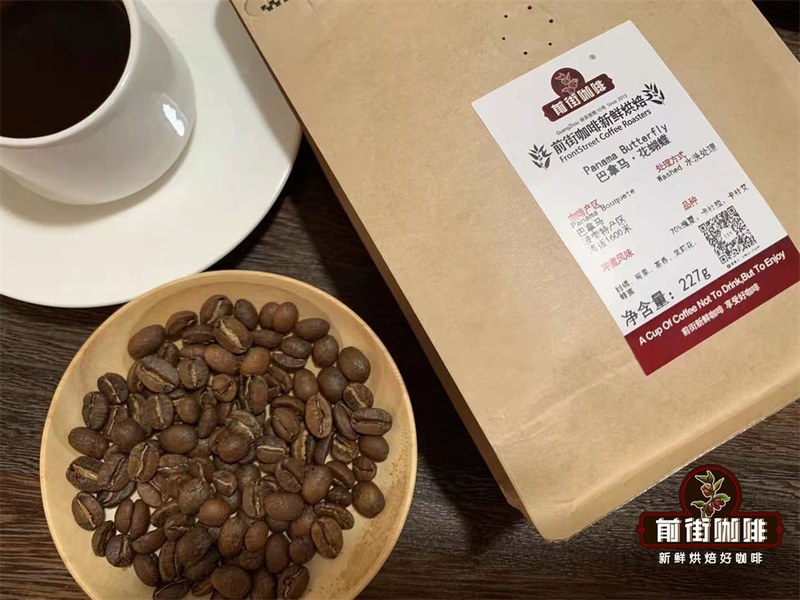
In terms of drinking style, light and medium-light roasts suit hot pour-over and can also be iced for a refreshing cold coffee; medium roast suits hot drinks, revealing ripe fruit and caramel-like sweetness as it cools; medium-dark roast pairs well with breakfast or pastries. Whichever roast level you choose, keep the coffee's concentration, sweet-tart balance, and aftertaste in harmony.
When buying, also pay attention to the roast date, packaging seal, and bean storage conditions. Fresh beans need proper resting; light roasts can usually wait a few more days before brewing, while medium-dark roasts reach a stable state sooner. After opening, store the coffee beans sealed in a cool place and buy according to your daily consumption, so you can more consistently experience the same Yirgacheffe's progression from florals and fruit to sweetness.
The above content is compiled by CoffeeHunters, a coffee news website.


