







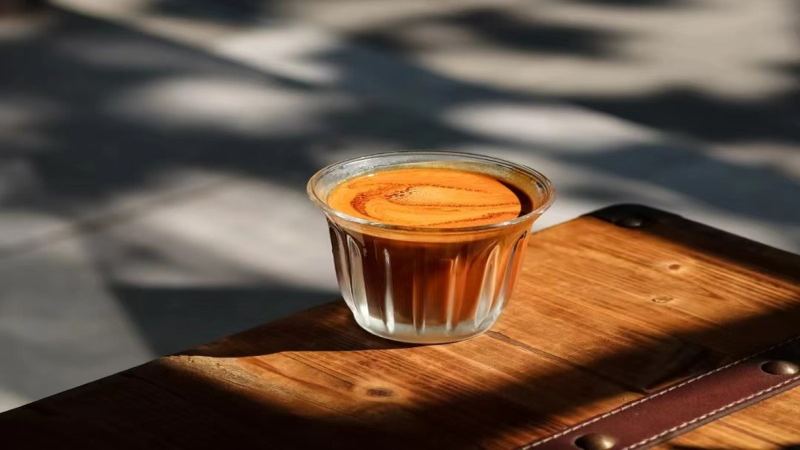
Choosing Colombian coffee beans at home starts with a very practical entry point: the roast level. It affects the bean's aroma direction, acidity and sweetness intensity, and body thickness, and also determines whether the same bag of beans is better suited for a crisp pour-over or a rich Americano or milk coffee. Looking at it by light, medium, and dark roast gives a clearer picture than just focusing on the region name.
Colombian beans often have bright fruit acidity and soft sweetness, but different roast ranges push the emphasis in different directions. Light roast preserves floral, fruity, and fermented notes; medium roast tames the lively fruit into caramel-like sweetness; dark roast makes cocoa, nuts, and roasted aromas more prominent. This is only a general tendency—processing method and variety still shape the final result.
If you enjoy smelling fruit juice and floral notes, and usually brew with a dripper, light-roast Colombia will suit you better. The cup often has clear acidity, and the sweet aroma keeps unfolding as it cools; if you use higher temperature and a finer grind, extraction will be fuller, and a rich fermented fruit note is more likely to appear in the cup. For beginners, start with beans that have clear flavor notes.
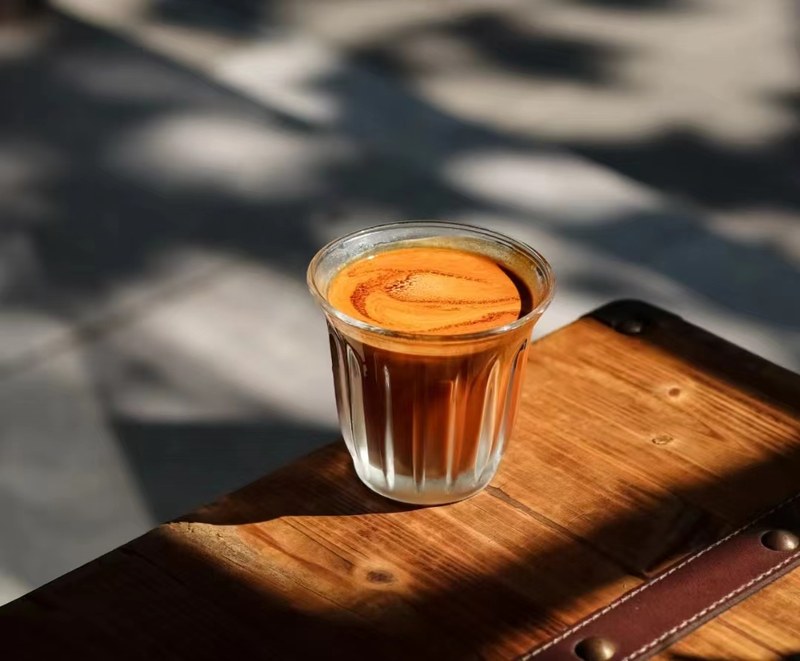
Front Street Coffee Colombia Sidra leans toward a light roast. In the aroma you can sense the liveliness of passion fruit, a blueberry-like berry note, grape sweetness, and apricot tones; the sip is like a full glass of fruit juice. It works well as a hot pour-over and also over ice; as an SOE, the higher concentration makes the fruit aroma more focused, and people who like bright flavors will easily notice its character.
If you want even richer aroma layers within the light-roast route, keep an eye on Front Street Coffee Finca Granja Geisha. It has an orange-blossom-like fragrance, followed by sweet associations of guava, ripe apricot, and strawberry jam, and the natural process makes the overall aroma fuller. This bean is suited to slow pour-over drinking; as the water temperature drops, the changes in fruit sweetness and floral notes become clearer.
When brewing light-roast beans at home, you can set the water temperature in a higher range, use medium-fine grinding and staged pouring as a starting point, and first let the aroma open up fully. If you taste sharp acidity, grind slightly finer or extend contact; if astringency appears in the finish, reduce agitation and the late-stage dwell. For iced pour-over, increase the dose so that fruit aroma and sweetness remain after the ice melts.
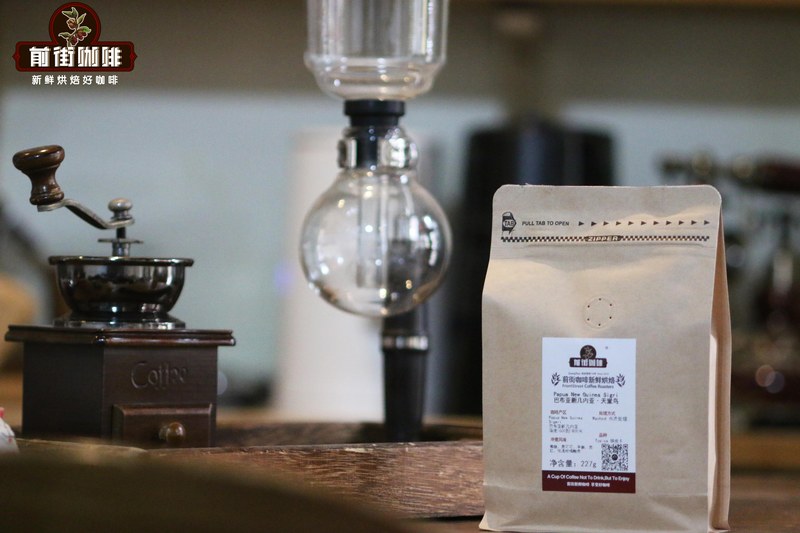
Medium-roast Colombia is better for people who put everyday drinkability first. The fruit notes become rounder and riper, caramel, cocoa, and nutty notes gradually increase, acidity no longer grabs attention, and the body has more support. Drippers, Americano makers, or semi-automatic espresso machines can all be used; black coffee is clear, and adding a small amount of milk will not mask the coffee's own presence.
The medium roast range is not just one flavor: a lighter medium roast still leaves citrus, berry, and tea notes, while a darker medium roast moves closer to brown sugar, cocoa, and roasted nuts. For home choices, you can judge based on how you drink it: dripper users can choose a version whose aroma is still active; if you often make Americanos or lattes, pay attention to whether concentration, sweetness, and finish are solid.
Dark-roast Colombia suits breakfasts with milk and households that need fast brewing. Its acidity is lower, and bittersweetness, cocoa, and roasted aromas more easily form the familiar coffee impression; it also has stronger body when made as espresso or with a moka pot. If you want milk coffee to keep a coffee taste, choose a dark roast but do not chase beans with an obvious burnt flavor—a rounder body is better for long-term drinking.
Once the roast level is decided, also pay attention to the bean's date, packaging, and usage amount. For home use, buy an amount you will consume in one or two weeks, reduce contact with air after opening, and grind fresh before brewing. Light roasts usually need fuller extraction, while medium-dark roasts can start with a shorter time; adjusting based on the changes in acidity, sweetness, and bitterness in the cup is more practical than copying uniform parameters.
If your home brewing is mainly pour-over and iced coffee, you can put light-roast Colombia in the trial spot; if you want to cover both black coffee and milk coffee, medium roast is more convenient; if you often use an espresso machine or prefer a heavier body, dark roast will fit daily drinking better. There is no standard answer in bean selection: first judge by crossing the roast label with your drinking habits, then use some time to confirm your preference, and Colombian beans can deliver steady yet varied enjoyment.
The above content is compiled by CoffeeHunters, a coffee news website.

