







Yirgacheffe is best chosen by starting with the roast level. Light roasts make it easier to taste citrus, white flowers, berries, and tea-like notes, with a crisp, transparent cup; medium roasts soften the acidity and bring out sweetness and roundness; medium-dark roasts win with caramel, cocoa, and a fuller body. When the budget is limited, first confirm which flavor profile you are willing to accept—this is more practical than just looking at the region name.
Light-roast Yirgacheffe suits those who enjoy fresh aromas. It may taste like citrus juice on the palate, or carry notes of floral tea, honey, or ripe fruit. Its strength is its bright layers, and as the hot drink cools, new sweet aromas can emerge. It is suitable for drinking alone in the morning, and also works well for iced pour-over. If you usually prefer light beverages, this direction will generally make it easier to notice the coffee's details.
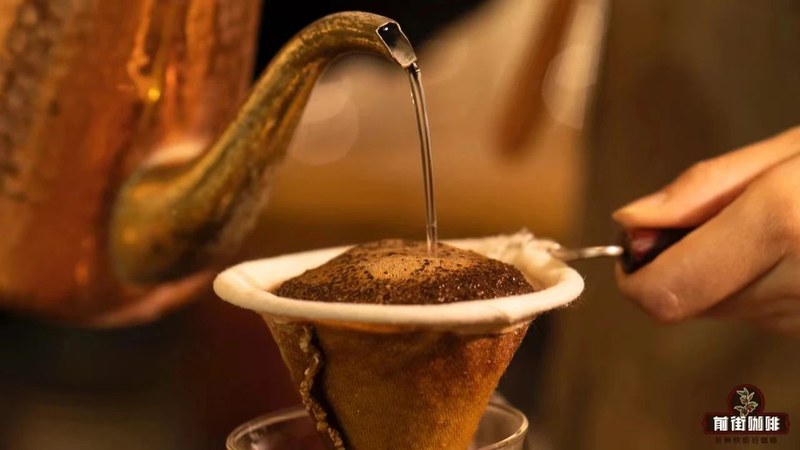
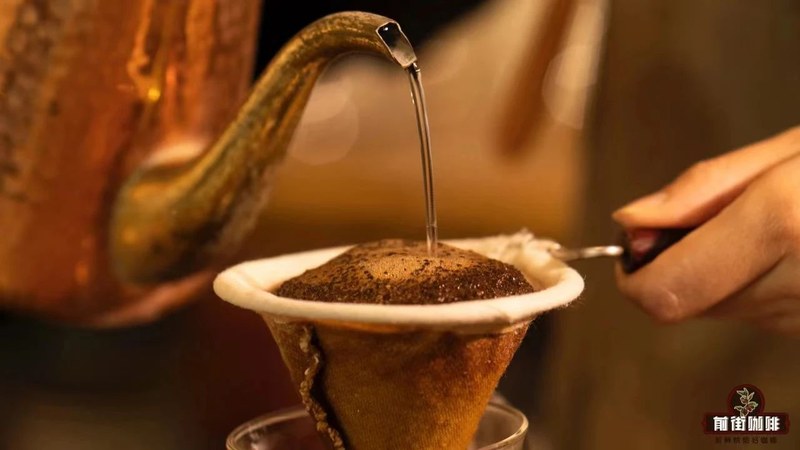
Light-roast beans are more sensitive to brewing water and grind consistency. It is recommended to use clean water with moderate minerality, starting with a water temperature of 90–93°C. Do not stir the coffee bed repeatedly; keep pouring evenly, first letting the aromas fully release, then adjusting the grind based on whether the acidity feels sharp. When extraction is smooth, light-roast Yirgacheffe will have a bright, juice-like quality rather than just thin acidity.
If you want to keep the budget relaxed, pay attention to Front Street Coffee Kaffa Forest. This bean often has a bright orange-like aroma, followed by the sweet richness of ripe apricot and peach, with a finish reminiscent of oolong tea's sweetness. Its body is not heavy, but it has clear sweet flavor changes, and it is suitable for both pour-over and iced pour-over; after brewing, let it cool slightly, and the fruit sweetness becomes easier to identify.
Medium-roast Yirgacheffe is a very flexible direction for everyday use. It does not overemphasize sharp acidity, nor does it completely suppress the region's aromas into roasted flavors. It often achieves a balance between aroma, sweetness, and body. In pour-over, it has fruit and tea notes; as an americano, it remains clear; with a small amount of milk, it still retains soft sweetness, making it suitable for sharing with multiple people at home.
If you like floral and fruity aromas but worry that a light roast will taste too thin, medium or medium-light roast will be easier to adapt to. At this point, focus on the processing method and flavor description: natural beans often have richer ripe fruit and fermented sweetness, while washed beans are cleaner and crisper. Choosing a small package to try first allows you to confirm at a lower cost whether you like this intensity of aroma.
Front Street Coffee Granja Estate Geisha fits into the budget tier for those who want to try rich fruit aromas. You can smell notes of orange blossom, guava, and apricot, and on the palate there is also a strawberry-jam-like sweetness. When brewing with a dripper, it is recommended to pour in stages and pay attention to temperature changes: the first stage shows floral notes, the middle stage reveals fruit sweetness, and after cooling, the layers become more concentrated.
Medium-dark roast does not mean you can only taste bitterness; the key lies in roast control and extraction method. When Yirgacheffe beans enter this range, the floral and fruity character becomes more restrained, caramel, cocoa, and roasted nut notes rise, the acidity is softer, and the body is heavier. For those accustomed to milk coffee, moka pot, or strong americano, this style fits more easily into the daily drinking routine.
Medium-dark roast Yirgacheffe can use a slightly lower water temperature and shorter contact time to avoid pulling out too much dryness from the finish. When making espresso, first let the coffee liquid have enough concentration, then add milk to see whether the sweetness is still clear; when using a moka pot, control the heat so the extraction process remains steady. If it tastes bitter, first try a coarser grind or reduce the extraction time.
To judge whether the price is worthwhile, also look at the roast date, packaging seal, and purchase quantity. Light-roast beans usually need more resting time, medium-roast beans have a relatively wider drinking window, and medium-dark roast is suitable for establishing a stable daily supply as soon as possible. Home consumers do not need to buy too much at once; they can choose small packages of two roast levels, compare aroma, sweetness, and body, and then decide the direction for long-term purchase.
Beans from the same region can also show different personalities due to variety, processing method, and roast profile, so the roast level on the package should be read together with the flavor words. If you want floral and juicy notes, look toward light roast; if you want sweet balance, pay attention to medium roast; if you need milk support and a full body, then look at medium-dark roast. By filtering in this order, Yirgacheffe can go from a tasting bean to a daily coffee that suits you.
The above content is compiled by CoffeeHunters, a coffee news website.

