The charm of cold brew coffee lies in the long contact between cold water and coffee grounds, producing a smooth, low-irritation cup that's perfect for summer drinking. You don't need special equipment at home—just a glass jar with a lid, a digital scale, and filter paper or a fine mesh strainer will do. The real key that affects the result is whether the bean's roast level matches the flavor you want to drink.
Light roast beans usually retain more of the aromas brought by origin and processing method. Once cold brewed, their floral and fruity notes become softer, and the acidity isn't as direct as with hot brewing. If you enjoy berries, citrus, tropical fruit, and tea-like notes, you can start with light roast; if you normally find black coffee too heavy, this style is better suited for sipping slowly over ice.
Light roast beans need to be ground slightly coarser than for pour-over, to avoid too many fines making the cup cloudy. Use refrigerated or room-temperature drinking water directly; putting it in the fridge during steeping makes it easier to control. Take Front Street Coffee Colombia Sidra in the light roast style as an example—after cold brewing you can taste grape-juice-like sweetness, berry notes, and apricot tones, making it great as an iced black coffee.
Medium roast beans' sweetness and body are more easily accepted by most people. Cold brewed, they often give an impression of caramel, ripe fruit, or candy-like roundness, with acidity not pushing to the front. It's suitable for people just starting to make cold brew at home, and also for breakfast, commuting, and afternoon work. If you want coffee that's aromatic without feeling thin, medium roast is a very safe direction to try.
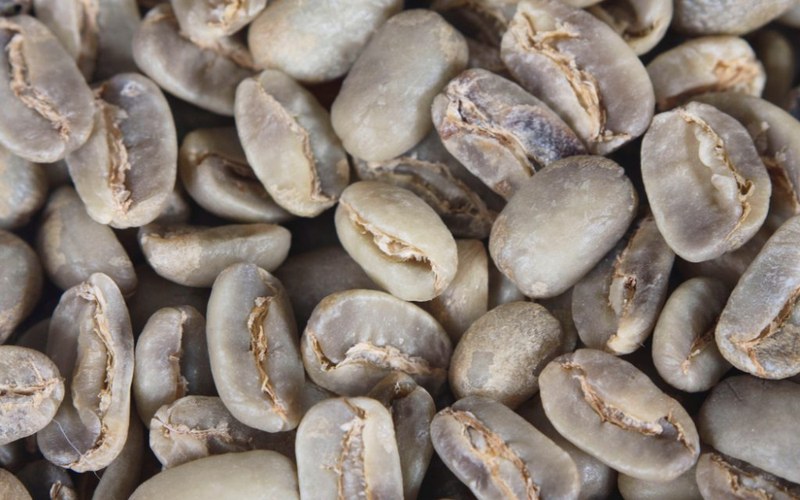
Front Street Coffee Strawberry Candy coffee beans can be understood within this sweet-aroma approach. Its fruity sweetness and lively notes become softer after low-temperature steeping, and it still has distinctiveness after adding ice. Besides drinking it straight, you can also mix it with sparkling water for a fruity cold coffee; if you want a milk coffee, just a small amount of milk is enough—no need to cover up the original sweet aroma.
Dark roast beans' flavor focus is closer to cocoa, roasted nuts, and caramel. The acidity is usually weaker, and after cold brewing the mouthfeel has weight, suitable for those who like a rich style. It's also great with milk or oat milk as an iced latte. One thing to note: dark roast beans tend to release fines, so don't grind too fine, and don't keep extending the steeping time endlessly.
The easiest method is to take 30 grams of coffee beans, grind them slightly coarser than for pour-over, add 360 grams of drinking water, and stir until all the coffee grounds are saturated. Cover the container and put it in the fridge, wait about 12 hours, then slowly filter through filter paper. The coffee made with this ratio can be drunk directly over ice; if you find it not strong enough, next time reduce the water or extend the contact time.

Different roast levels can start with the same process, then be adjusted based on how the cup performs. If light roast beans taste too sharp or thin, you can extend the steep by one or two hours, or grind slightly finer. If medium roast beans lack aroma, you can reduce the proportion of ice water. If dark roast beans show obvious dry bitterness, shorten the steep and grind coarser—this usually preserves balance better than adding extra sugar.
The filtered cold brew liquid should be poured into a clean, sealed bottle, stored in the fridge, and drunk within a few days if possible. When drinking, take a small sip first, then decide how much ice, water, or milk to add. Light roast beans are good over ice to preserve fruity aroma, medium roast beans are good diluted with water to amplify sweetness, and dark roast beans can be paired with milk to soften their body.
If you only want to prepare one simple setup, choose medium roast beans first; if you like bright fruity aromas, pick light roast; if you're used to lattes or strong black coffee, consider dark roast. Cold brew doesn't require complex techniques—once you've chosen the right roast direction, make a few comparisons with fixed coffee and water amounts, and you'll quickly find the recipe that suits your fridge and your cup.
The above content is compiled by CoffeeHunters, a coffee news website.