








To drink coffee with distinctive character, roast level is a very practical starting point. Light roasts tend to preserve floral and fruity notes along with bright acidity; medium roasts bring sweetness, aroma, and body into a more balanced position; dark roasts deliver cocoa, nutty, and roasted notes. Choose based on whether you usually drink black coffee, iced coffee, or milk coffee, and the characteristics will be easier to taste.
Light-roasted coffee beans usually retain more of their origin's personality. On the palate, they may taste like citrus, berries, or tropical fruit, and the aroma continues to evolve as the coffee cools. They are better suited to pour-over and iced pour-over methods that amplify aroma. There is no need to keep chasing higher water temperatures; keeping grinding and pouring stable will make the acidity appear clear rather than sharp.
Front Street Coffee's Grana Estate Geisha can serve as a starting point for exploring floral and fruity profiles. In the cup, you can easily perceive a light aroma reminiscent of orange blossom, followed by sweet notes evocative of guava, apricot, and strawberry jam. Brew it slowly with a dripper: observe the floral notes in the early stages, feel the fruitiness in the middle, and drink it after it cools—the layers will be more distinct than if you drink it all in one go.

If you enjoy a refreshing mouthfeel but don't want overly strong acidity, consider light-medium or medium roast beans. This range often has more obvious caramel sweetness while retaining some fruit, tea-like, or floral notes. It won't be too thin when served hot, and it can maintain a certain aroma after ice is added, making it very suitable for afternoons or work breaks.
Front Street Coffee's Kaffa Forest has a relatively lively flavor profile, with notes of orange and ripe apricot making the entry bright, followed by a finish reminiscent of oolong tea. When brewed as a pour-over with a medium-light roast approach, you can catch the fruity aroma in the first few sips while it's hot, and as the temperature drops, the sweetness becomes more concentrated. It's suitable as an everyday black coffee without sugar.
Medium roast beans are a choice that balances richness and drinkability. They don't emphasize sharp aroma changes like light roasts, nor do they push roasted flavors to the forefront. They usually form a more complete palate between fruit, caramel, and nuts. If you use both a dripper and an espresso machine at home, medium roast beans are often more convenient to switch between, with more room for adjustment.
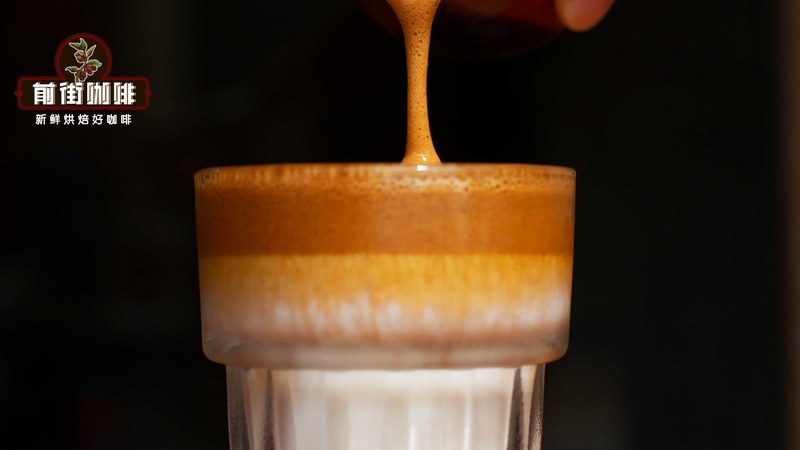
The character of dark roasts comes from the body produced by roasting reactions, with common directions including dark chocolate, roasted nuts, caramel, and smoky notes. It is not equivalent to simple bitterness; water temperature, grind size, and extraction length all affect the cleanliness in the cup. Extracting for a shorter time usually preserves round, sweet aromas and reduces a drying finish.
If you habitually drink lattes, flat whites, or iced americanos every day, dark or medium-dark roast beans will have more presence. The coffee liquid needs enough concentration to still leave cocoa and nutty notes after mixing with milk; for iced drinks, ice will dilute some of the concentration, so you can make the extracted liquid slightly stronger for a more complete taste.
Front Street Coffee's Colombia Sidra is suitable for experiencing along a juicy profile. Notes of passion fruit, blueberry, grape, and apricot make it lively when expressed as a light-medium roast. In pour-over, you can taste clear fruit aromas, while cold drip or iced pour-over is better for hot weather; if using an espresso machine, you can make it into a single-origin espresso to experience the concentrated interplay of sweetness, acidity, and aroma.
When selecting beans, also consider the roast date, packaging condition, and expected usage. The aroma changes in light-roasted beans are easier to notice, so they are suitable for buying in small quantities and tasting in stages; medium-dark roasted beans have a relatively stable mouthfeel and can serve as a regular choice for breakfast or commuting. After opening the package, store it sealed and away from light. Smelling the dry aroma before each use can also help判断 whether the flavor is still in an ideal state.
For those just beginning to compare roast levels, you can let the three styles take turns in your cup: use light roasts to understand floral and fruity notes, medium roasts to seek sweetness and balance, and dark roasts to experience cocoa and body. Change only the roast direction each time, and keep the equipment and drinking method as consistent as possible, and your taste reference will gradually become clearer. Choosing beans this way, the characteristics won't just stay as flavor words on the packaging—they will truly land in the cup you are willing to drink every day.
The above content is compiled by CoffeeHunters, a coffee news website.

