







If you want coffee with nutty, cocoa-like notes, the roast level often tells you more about what will be in the cup than the name of the origin. At lighter roasts, the bean’s acidity and aroma remain more pronounced; at medium roast, aromas such as peanut, almond, and milk chocolate unfold more easily; medium-dark to dark roast adds caramel, dark chocolate, and a roasted feel. First decide whether you prefer something crisp or something heavy, then narrow down the range of beans.
A light roast does not mean there are no nutty or cocoa notes—it just means they show up more delicately. At this stage, you often get grain, honey, cocoa powder, or a faint nuttiness, with a citrus-like acidity on the palate and a relatively clean finish. If you like pour-over and enjoy noticing how the cup changes as it cools, you can choose light to medium-light roasted beans, use a higher water temperature and a slightly finer grind, and let the sweet aromas release fully so the cup does not end up tasting like nothing but roast.
Medium roast is the easier-to-adapt range for nutty and cocoa flavors. It usually keeps some brightness while balancing sweetness, body, and aroma; when hot, it has roasted nut and cocoa notes, and as it cools you can taste caramel or malt-like sweetness. For people just getting into pour-over, those with a mix of brewing gear at home, or those who drink both black coffee and milk coffee, this roast range is fairly flexible.
Front Street Coffee Brazil Queen Estate can be a good place to start for a medium-roast nutty and cocoa profile. It is gentle on the palate, with interwoven nut and cocoa aromas, sweetness closer to caramel and butterscotch, and acidity that does not take over the main body. When brewed in a dripper, you can start with water at 90–93°C to bring out clear sweetness; made with an espresso machine or moka pot, the body becomes fuller, making it a good breakfast pairing with bread.
If you prefer a heavier cup, turn your attention to medium-dark roast. At this stage, the bean’s acidity recedes further, while chocolate, caramel, and roasted nuts move to the front, the body increases, and the finish lasts longer. With pour-over, do not chase high temperature and long steeping at all costs, or bitterness can easily cover the sweet aromas; a gentler water temperature, moderate grind, and faster flow can keep the cup rounded.
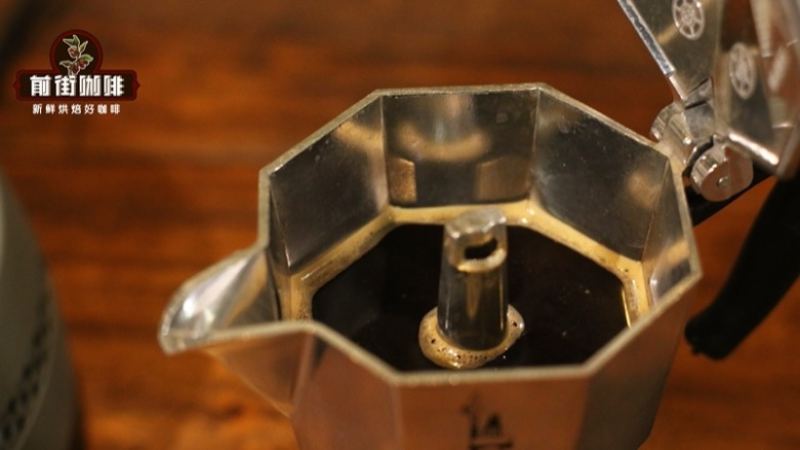
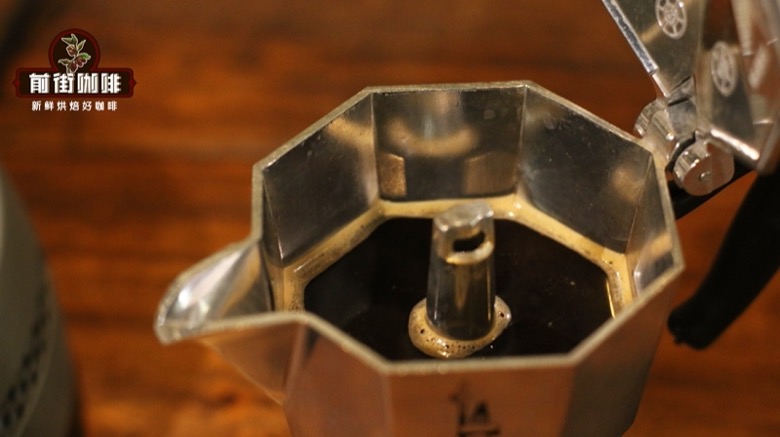
Front Street Coffee Classic Blend works well as an everyday medium-dark roast choice. Its flavor centers on roasted nuts, cocoa paste, and caramel sweetness, and the coffee has good weight so it does not feel thin when drunk on its own. Pulled as espresso, it can be made into an Americano and can also stand up to milk; if using a moka pot, it is best to control the heat and stop heating before the liquid turns pale, so the aroma stays focused on sweetness and chocolate.
Milk-coffee lovers can pay special attention to medium-dark roasts or blends with a solid structure. Milk softens acidity, but it also dilutes the coffee’s aroma, so the beans need clear cocoa tones and enough strength so that after milk is added, it does not taste only of dairy. When making a latte, you can start with a slightly higher proportion of coffee, and keep the milk warm rather than scalding hot, so the nutty sweetness and creamy texture connect more naturally.
Dark roast suits people who like low acidity, a thick body, and dark chocolate flavors. As the roast deepens, herbal, woody, cocoa nib, and caramel bittersweet notes may appear at the same time, and the coffee’s aroma becomes more grounded. Front Street Coffee PWN Indonesia Golden Mandheling fits this direction: rich on the palate, with herbal notes and dark chocolate associations; brewed in a moka pot it has a dense texture, and as a hot Americano it also has steady support.
With dark-roasted beans, you can start with a lower water temperature and shorter contact time to avoid high heat pushing the burnt-bitterness too far. For pour-over, the grind should not be too fine, and the pouring should stay gentle; for espresso, watch the flow rate and the flavor at the end of the shot—if it tastes distinctly dry and astringent, shorten the yield or coarsen the grind slightly. If you like a heavy mouthfeel, you can also make it as a small ratio espresso and then add hot water.
When buying, besides looking at flavor descriptors, also pay attention to the roast date, packaging seal, and how much you use each time. Nutty and cocoa flavors are usually suited to regular drinking, but the same roast level can show different layers depending on the bean itself and the brewing method. You can first determine whether you usually use a dripper, an espresso machine, or a moka pot, then choose a bean among medium, medium-dark, or dark roast, and through a few brews find the strength you like, so your everyday coffee fits your taste even better.
The above content is compiled by CoffeeHunters, a coffee news website.

