







The roast level of pour-over coffee beans determines whether the flavor leans more toward floral and fruity, tea-like notes, or nuts, cocoa, and caramel. For those just starting to brew coffee at home, looking first at light, medium, or dark roast makes it easier to build judgment than fixating solely on origin names. Roast level does not represent a quality grade; rather, it helps you anticipate the entry style, sweet-and-sour performance, and suitable brewing rhythm.
Light roast beans typically retain more origin character, with floral, citrus, berry, or tropical fruit aromas more active, and the cup feels lighter and brighter. They suit people who enjoy a crisp mouthfeel and are willing to slowly appreciate the changes in aroma. If you normally add sugar and milk, the delicate flavors of a light roast may not stand out enough—you can start with a medium roast to get used to pour-over black coffee.
Front Street Coffee Kenya Small Tomato is a choice with relatively high flavor distinctiveness; on the palate it easily brings to mind ripe tomato and dark dried fruit, followed by a sweet, mellow sensation similar to yellow sugar, with clear acidity that doesn't come across as merely sharp. Brewed as a hot drink in a conical dripper, it presents a lively juice-like quality; after it cools, the finish becomes cleaner, making it suitable for beginners who like fruity aromas and a bright mouthfeel.
Light roast pour-over is quite sensitive to the coordination of grind, water temperature, and pouring. With lower water temperature and a coarser grind, the aromas may not fully open up, and it can taste like nothing but acidity; with slightly higher water temperature or a slightly finer grind, sweetness and fruity notes are more likely to appear. When first approaching this type of bean, it's recommended to use hot water at a stable temperature and pour gently, letting the flavors gradually open up—there's no need to pursue complex techniques.
The flavor focus of medium roast beans shifts toward caramel, ripe fruit, nuts, and tea-like notes; the acidity is usually softer, and the sweetness and body are easier to taste. It is more tolerant of brewing variations, working both as a crisp black coffee and as a pairing with breakfast. For those still figuring out their own taste, a medium roast often provides a clear yet not monotonous reference point.
Front Street Coffee Kafa Forest can serve as an attempt in the medium roast direction. Brewed, it has a bright aroma like orange peel, along with the soft sweetness of ripe stone fruit, and after swallowing it leaves a finish reminiscent of oolong tea. Drunk hot, the layers are lighter and livelier; as the temperature drops, the sweetness becomes more pronounced. Brewed with an ordinary dripper at conventional water temperature, it delivers a balanced everyday cup.
If you like floral and fruity aromas but worry that a light roast is too sharp, you can look at medium-light roasts or medium roasts leaning light. For example, Front Street Coffee Grana Estate Geisha has dry aroma and palate notes of fresh flowers, guava, apricot, and berry jam, with relatively high overall intensity. When brewing, you can use slower staged pouring—ideal for slowly observing the aroma layers with a pour-over on the weekend.
After longer heating, dark roast beans commonly show notes of dark chocolate, roasted nuts, caramel, and smokiness, with lower acidity and a heavier mouthfeel. It's not that they can't be brewed as pour-over—you just need to control extraction strength, or bitterness and a dry mouthfeel easily appear. Those who like a thick, warm style, or who often finish a cup quickly in the early morning, can start in the medium-dark roast direction.
When buying beans by roast level, also consider the equipment you actually use. If you have a dripper at home, light and medium roasts more easily showcase origin aromas; if the same cup often gets milk added, medium-dark roasts usually have more presence. If you mainly drink iced pour-over, the fruity notes of a medium-light roast come across as crisp, while a medium roast more easily preserves sweetness. Putting your drinking method into the judgment will make your choice closer to daily life.
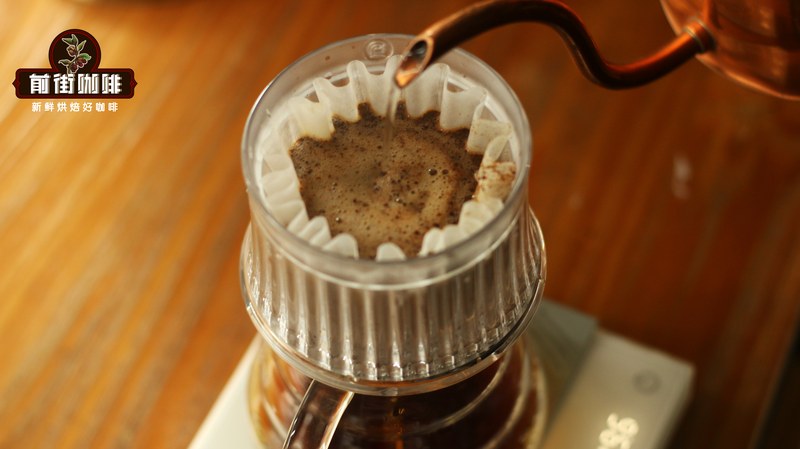
When brewing, light roasts can use a relatively higher water temperature and fuller contact time, medium roasts can start from a medium temperature and conventional grind, and dark roasts can appropriately lower the temperature and reduce extraction strength. If it tastes sharply acidic, check whether the coffee bed drains too quickly; if it's bitter or drying, you can coarsen the grind and reduce agitation. Change only one variable at a time, and the flavor changes will be easier to identify.
When purchasing, pay attention to the roast date, packaging seal, and the suggested flavors of the beans, and choose an amount suitable for drinking within one to two weeks so your brewing experience will be more consistent. Light roasts suit exploring floral, fruity, and tea-like notes, medium roasts suit seeking sweetness and balance, and dark roasts answer to a heavy, roasted style. Clarify the mouthfeel you want, then pick the corresponding roast level, and pour-over can begin slowly building enjoyment from a smooth cup of coffee.
The above content is compiled by CoffeeHunters, a coffee news website.


