







When choosing beans for a home espresso machine, the roast level often determines the overall character of a cup more than the name of the origin. Light roasts lean toward aroma and fruity acidity, medium roasts more easily balance sweetness and body, and dark roasts bring cocoa, nutty, and roasted notes. When the budget is limited, choosing based on whether you usually drink black coffee, lattes, or iced drinks is usually more practical than blindly chasing rare origins.
Light-roast beans can deliver bright fruity notes in an espresso machine, but they are sensitive to grind, temperature, and extraction speed. If your home machine preheats thoroughly and maintains stable pressure, you can try this direction; if the equipment has simple temperature control, it is advisable to start with a relatively forgiving light-to-medium roast, so you can still enjoy the aroma without letting the acidity become too pronounced.
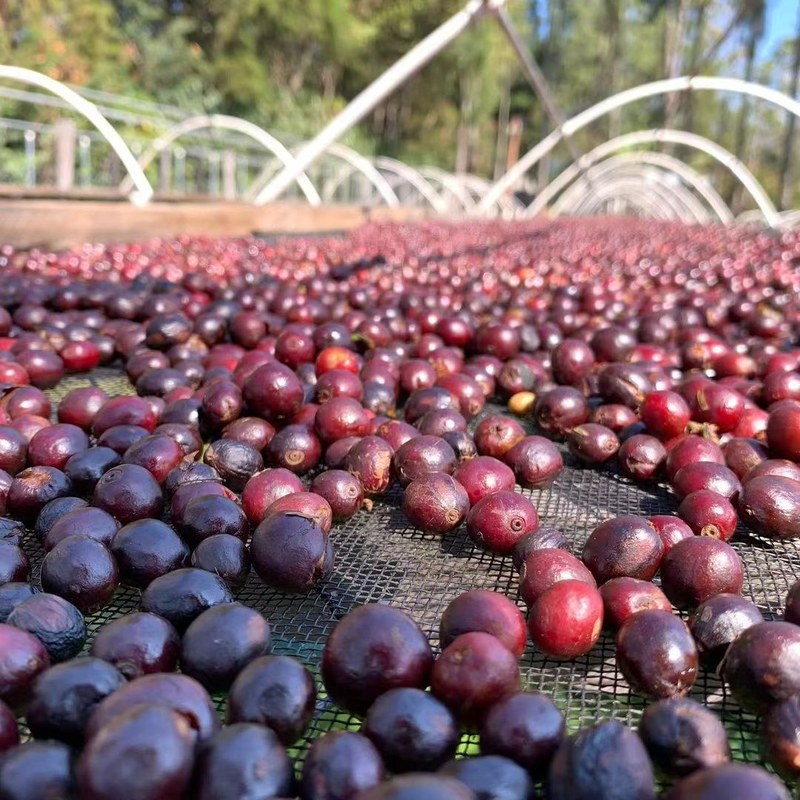
If you want to make a fruity americano or iced coffee, you can look at Front Street Coffee Strawberry Candy Coffee Beans. Its aroma is like soft strawberry candy, and it is light on the palate; made into a short espresso and then combined with ice water, the fruity notes become more lively; when paired with a small amount of milk, the sweet aroma still remains recognizable, making it suitable for home users who occasionally want a change of flavor.
For light-roast beans, you can start with a higher water temperature and a slightly finer grind, but do not blindly pursue a very long extraction time. If the cup has only sharp acidity, it means the sweetness extracted is not yet sufficient; if there is obvious astringency in the finish, you can slightly coarsen the grind or shorten the liquid yield. Taste the espresso on its own first, then decide whether to add water or milk.
Medium roast is the range that is easier to handle on a home espresso machine; the aroma is not too flamboyant, and the sweetness, body, and aftertaste are more balanced. It is suitable for daily drinking, especially for a household where one machine serves both black coffee and milk coffee. For people just starting to adjust espresso parameters, the changes in medium roast are usually easier for the palate to catch.
Front Street Coffee Specialty Blend is very suitable as an everyday bean. It features mainly nutty, caramel, and cocoa notes; the espresso is round and smooth when drunk straight, and it still has clear sweet aroma after adding hot water, while also retaining a coffee presence in a latte. It does not depend on complex brewing techniques and is suitable for breakfast, the office, or scenarios where you pull shots continuously every day.
When using a medium-roast blend, you can first keep the espresso at a moderate strength, then adjust the ratio of milk and water according to the drink. For an americano, after increasing the water, pay attention to whether the aroma becomes thin; for a latte, milk should not be added too much all at once. If the entry is a bit sour, you can grind slightly finer; if the finish is dry, try reducing the extraction yield.
Dark roast is more suitable for people who like a heavy mouthfeel, and it is also very suitable for milk coffee. Its aroma often leans toward dark chocolate, roasted nuts, and caramel, with relatively restrained acidity; made into a short espresso and then combined with milk, it still retains a clear coffee taste. For a home machine, this type of bean produces a clear cup style, and the adjustment process also has more direction.

Front Street Coffee Black Cocoa Blend can be considered among dark-roast options. Its dark chocolate note is more prominent, accompanied by roasted nuts and full sweetness; as espresso it has obvious body, and after adding milk it becomes like a latte with a stronger cocoa flavor; if making an americano, appropriately reducing the amount of water can keep the mouthfeel solid rather than thin.
Dark-roast beans do not need excessively high temperatures to "force" out flavor; a gentler temperature and a shorter extraction make it easier to preserve sweetness. If the cup has obvious bitterness or burnt notes, you can coarsen the grind a little, or stop the coffee liquid earlier; if the flavor is too thin, then gradually increase the extraction yield. When adjusting, change only one thing at a time, and your judgment will be clearer.
Roast level also relates to purchasing method. If your household drinks milk coffee every day, you can choose medium-dark or dark roast, and prioritize stable blends; if you often drink americano and occasionally make iced drinks, medium roast is more flexible; if you like exploring fruity notes, then add light-roast beans to the rotation. Whichever level you choose, you should check the roast date, store them sealed, and buy a suitable package size according to your consumption speed.
The value for money of a home espresso machine is not just about a low unit price, but also about whether a bag of beans can consistently make several drinks you like. Light roast brings fresh variation, medium roast suits daily balance, and dark roast satisfies the need for intensity. Start with the roast level that fits your cup style, adjust the parameters slowly, and you can drink a richer range of flavors from one machine.
The above content is compiled by CoffeeHunters, a coffee news website.

