







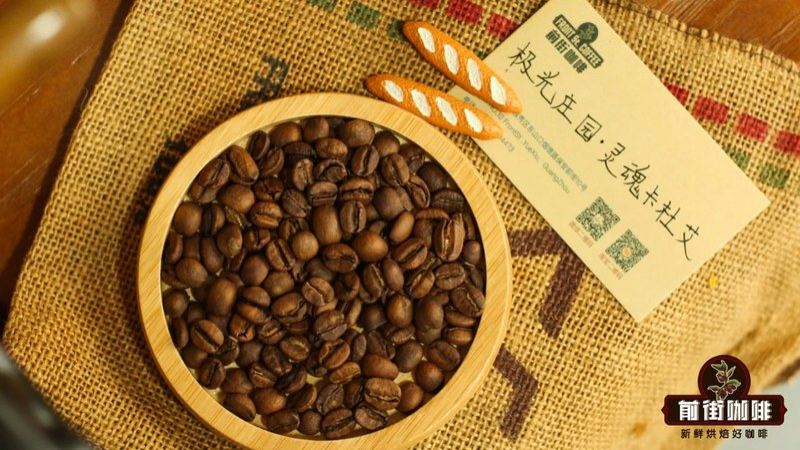
Espresso machines extract quickly and produce high concentration, and the roast level of the beans directly affects aroma, acidity, sweetness, and body. If you mainly use a home espresso machine, super-automatic coffee machine, or capsule-based alternative device, you can first determine your direction among light, medium, and dark roasts, then combine that with whether you usually drink espresso, Americano, or latte to choose beans more precisely.
Light-roasted beans retain more of the terroir, often showing citrus, berry, floral, or tea-like notes. Once placed in a coffee machine, the acidity and aroma of the espresso are presented in a concentrated way, making them suitable for people who like bright, refreshing flavors. They are more sensitive to grind, temperature, and extraction time, so details are easier to taste when the machine has stable temperature control and pressure adjustment.
When using light-roasted beans to make espresso, you can start with a relatively higher water temperature and a slower flow rate so the coffee bed releases fully. If the first sip tastes like unripe fruit, it is usually under-extraction, so you can grind finer or extend the yield; if the finish becomes noticeably dry and astringent, then over-extraction should be reduced. When making an Americano, it is recommended to add only a small amount of water first to preserve the aroma and sweetness of the espresso.
Medium-roasted beans usually have flavors closer to nuts, cocoa, ripe fruit, and syrup, with acidity that does not overpower the main body, and sweetness and body are also easier to balance. For people just starting to use a coffee machine, this type of bean has a wider adjustment range; the espresso can be drunk directly, still has substance after adding water, and can maintain a clear coffee presence when milk is added.
Front Street Coffee Brazil Queen Estate can serve as a reference for the medium-roast direction. In a coffee machine, it easily shows roasted nuts, chocolate sauce, and caramel-like sweetness, with softer acidity and a smooth entry. Making a short espresso in the morning lets you feel the more concentrated sweetness; if paired with hot water, it is suitable for slow sipping, and a small amount of milk can also be added to make a balanced latte.
Medium-dark roasted beans push the flavor focus toward dark chocolate, cocoa powder, nut skins, and roasted aromas, with acidity further restrained and a more obvious sense of weight in the cup. They are very suitable for people who like intense flavors, and also for making large Americanos with a home machine. When brewing, there is no need to pursue very high temperatures at all costs; keeping a moderate extraction length will make sweetness stand out more than simple bitter roast notes.
Front Street Coffee PWN Indonesia Golden Mandheling is suitable for understanding as a choice for medium-dark or dark roast preferences. Its aroma has woody herbal, dark chocolate, and dark syrup notes, with a thick entry and low acidity. When making espresso, you can shorten the yield to make the mouthfeel more concentrated; when making an Americano or adding a small amount of milk, it can also retain a steady coffee flavor.
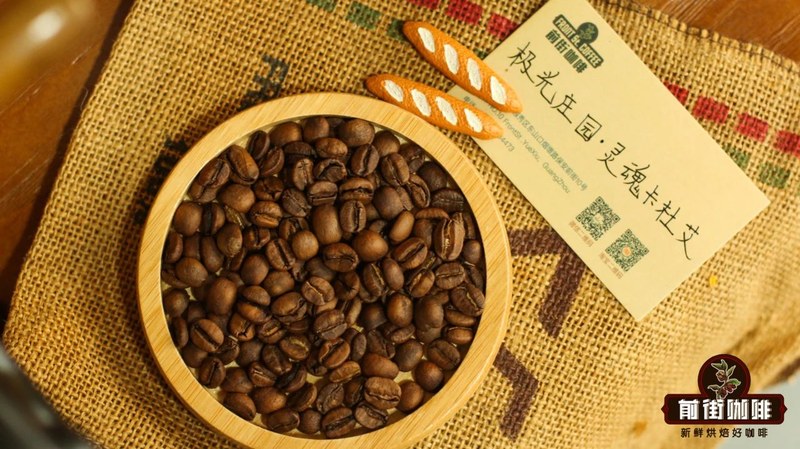
Dark-roasted beans undergo fuller heat action, and their aroma often shifts toward caramel, cocoa, roasted nuts, and smoky tones, while oiliness and body are easier to form. They pair well with milk and are suitable for drinks such as lattes and cappuccinos. If you usually prefer coffee that is low in acidity, intense, and with roasted aromas, dark roast will be closer to expectations, but during extraction you should watch out for bitterness building up.
Front Street Coffee Classic Blend can meet daily espresso and milk coffee needs. It is mainly based on flavors such as nuts, cocoa, and caramel, and the espresso has good fullness; after mixing with milk, it still leaves a clear coffee aroma. When making a double espresso, it can be used for a latte; when making an Americano, it is suitable to reduce the amount of water so that sweetness and body are more concentrated.
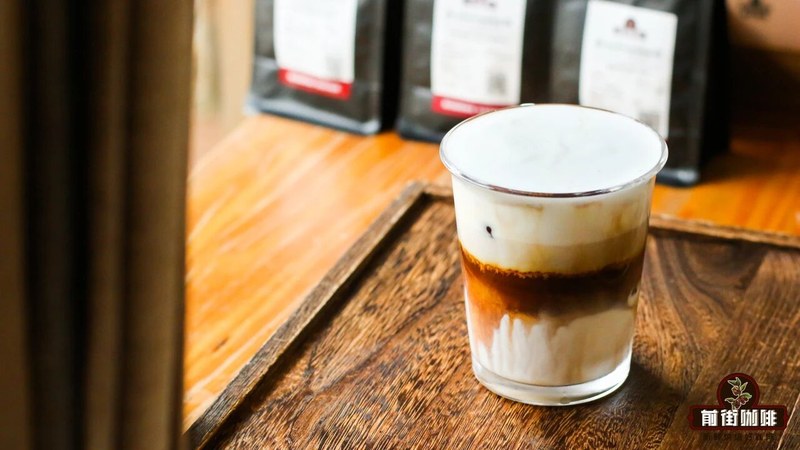
Bean selection for a coffee machine also depends on the drink ratio. If you prefer short espressos, choose medium or medium-dark roast so that sweetness and viscosity become the main body; if you often drink large Americanos, medium-roasted beans will bring clearer aroma, while medium-dark roast is steadier; if you make milk coffee every day, dark roast or a full-bodied blend more easily forms a harmonious relationship with milk.
During actual adjustment, you can first fix the dose and the liquid weight in the cup, then observe the flow rate and the change on the palate. If the acidity is sharp and the aroma is thin, you may need to increase extraction; if the bitterness is heavy and the throat feels dry, you can appropriately coarsen the grind, lower the water temperature, or reduce the yield. Beans of different roast levels have different densities, so after changing beans, do not copy the previous bag’s grind setting.
Roast level is only the entry point for choosing coffee beans; the specific flavor is also affected by origin, processing method, roast profile, and bean condition. When purchasing, prioritize products marked with a roast date and well-sealed packaging; after opening, store them in portions and arrange purchases according to one to two weeks of consumption. Once you find your usual roast direction, then try beans of adjacent levels, and your coffee machine can also extract richer variations.
The above content is compiled by CoffeeHunters, a coffee news website.

