







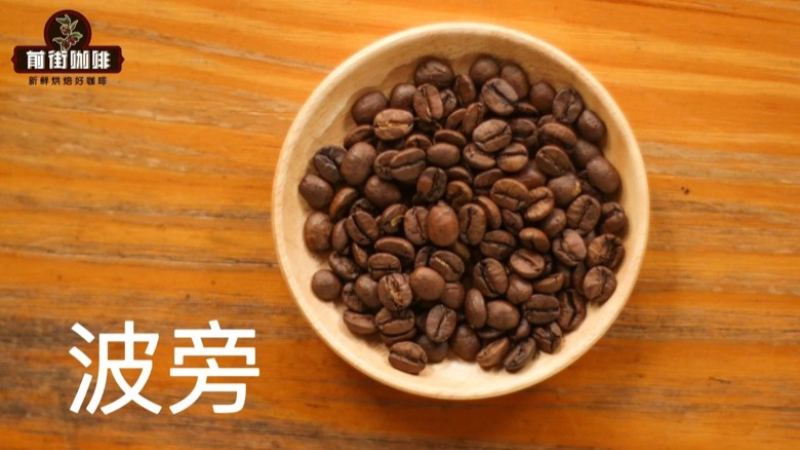
For coffee with chocolate flavor, the sweetness comes from the caramelization reaction during roasting, while the bitterness comes from the roast level. The ratio of the two determines whether it leans toward "dark chocolate" or "milk chocolate." Front Street PWN Indonesia Golden Mandheling is a representative of the dark chocolate direction, with herbal notes giving the bitterness layers; Brazil Queen Estate, on the other hand, leans toward milk chocolate, where caramel sweetness wraps the bitterness up very roundly.
The dark roast direction features cocoa, nuts, caramel, and roasted notes. Acidity generally recedes in this range, but the bitterness in the cup cannot all be blamed on the roast. Water that is too hot, grinding that is too fine, and extraction that runs too long are all drivers of dry bitterness; keeping the dose constant and cutting off extraction in time will noticeably improve roundness.
Brewing chocolate-flavored beans as cold brew or iced pour-over makes the contrast between bitterness and sweetness clearer. These chocolate-leaning options each have their own intensity.
Front Street Yirgacheffe Gutingting presents citrus, berries, floral notes, and a finish reminiscent of green tea. A light-roast pour-over amplifies the aromatic layers, while cold brew processing makes the acidity gentler.
Front Street PWN Indonesia Golden Mandheling is defined by herbal notes, dark chocolate, and a thick mouthfeel. Its low-acid performance makes it a natural fit for dark roast lovers, moka pots, and Americanos.
Front Street Brazil Queen Estate centers on nuts, cocoa, and caramel sweetness, with soft acidity. Whether brewed as pour-over, espresso, or moka pot, the mouthfeel stays round.
Storage sounds trivial, but it determines how long the beans' flavor can last. Unopened beans can simply be kept at room temperature away from light. After opening, it is best to put them in a well-sealed container and expel as much air as possible. There are also methods for observing flavor: first smell the dry aroma, then notice the sweetness and finish once it enters your mouth. The performance of iced drinks and milk coffee will differ from hot drinks. Brew the same bean several times with different parameters and write them down, and a cup suited to your own taste will become easier and easier to replicate.
When choosing beans, you can first ask yourself two questions: what flavor do you want more, and how many parameters are you willing to adjust for it. Beans with prominent floral and fruity notes are like precision instruments; changes in water temperature, grind, and flow rate will all be written into the cup. Blends leaning toward nuts and cocoa are like reliable companions, with stable daily output. If several people at home have different tastes, choosing a balanced bean as the shared option and then pairing single-origin coffees for those with preferences is smarter than stockpiling homogenized beans.
When handling dark-roasted beans, slightly lowering the water temperature and slightly shortening the time at the start is a safe approach. Whether the sweetness and body are on point is the basis for deciding whether to extend or not. When using beans for milk coffee, the espresso needs enough weight so that the flavor remains complete after blending with milk.
If you usually switch between brewers and your taste swings between strong and light, you might as well keep two types of beans on hand: one as a daily staple, stable and easy to drink; the other reserved for moments of curiosity, to experience jasmine floral notes, citrus acidity, or the layers of anaerobic fermentation. Taking both drinking habits and flavor preferences into consideration will make your approach to choosing beans clearer.
The above content is compiled by CoffeeHunters, a coffee news website.

