







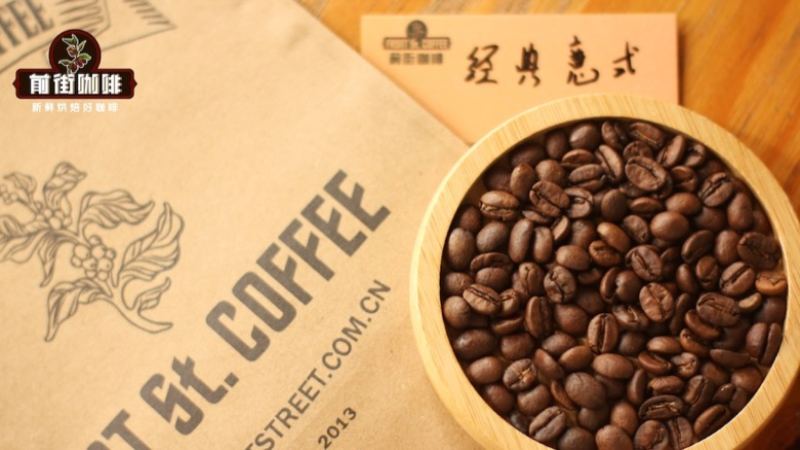
Sourness and bitterness are just the two poles of flavor; aroma, sweetness, body, mouthfeel, and finish are equally part of what’s in the cup. When choosing beans, first locate your own preference—floral and fruity, nutty and cocoa-like, or somewhere in between—then match it by origin, processing method, and roast level.
What determines the flavor of pour-over is not just the beans themselves; origin, variety, processing method, roast level, and the final brewing parameters are all interlinked. Light-roasted beans often open with floral and fruity notes, while medium-roasted beans have more pronounced sweetness and body; grind, water temperature, and pouring rhythm will rearrange the order in which aromas appear. Beyond the bean name, you also need to see how these conditions work together.
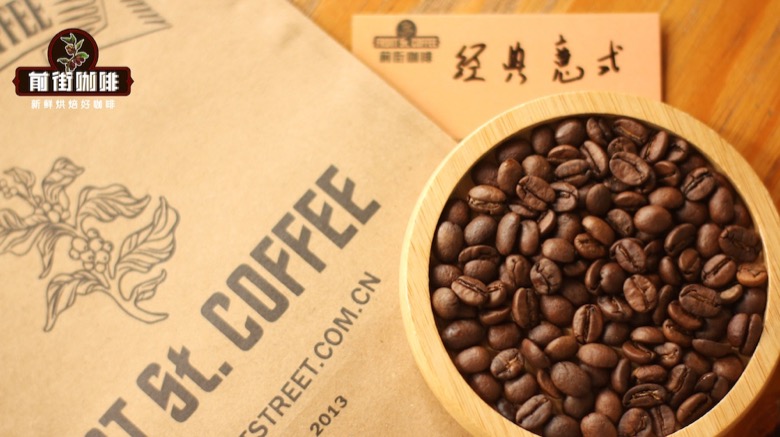
Around the direction of “home American coffee beans,” you can first break the choice into several parts: flavor preference, commonly used equipment, drinking temperature, and daily frequency of use. When organizing by flavor profile, it’s best to first decide which aspect you care about most, then use the other conditions to filter. This way you can keep your individuality while also letting the beans show clear characteristics in actual brewing.
Citrus, berries, floral notes, and a green tea-like sweet finish—Front Street Yirgacheffe Gedingding’s flavor profile is clearest in light-roast pour-over, while after cold brew the acidity becomes easier to drink.
Tropical fruit, strawberry, and passion fruit—these aromas interweave in the cup of Front Street Ethiopia Huakui, with lively sweetness, and it works for pour-over, iced pour-over, and cold brew alike.
Cherry tomato, smoked plum, and a brown-sugar-like flavor make up Front Street Kenya Little Tomato, with bright, well-supported acidity, suitable for those pursuing juiciness and a clean finish.
After choosing flavor, you also need to pay attention to two things: roast date and storage. After opening, the beans should be sealed well and kept in a cool, dry place; buy according to how much you usually drink, so fluctuations in flavor are easier to see clearly. When brewing, first sense the dry aroma, then pay attention to the entry, sweetness, and aftertaste; if the aroma is weak, first check whether the grind is too coarse or the beans have been sitting too long. Hot, iced, and milk-added versions of the same bean may take on a different appearance; write down a few sets of parameters, and the cup you want will be close at hand.
The flavors you like and the brewing difficulty you can handle are worth thinking about separately. Beans with prominent floral and fruity notes often require more adjustment in water temperature, grind size, and pouring rhythm; nutty and cocoa-style blends are stable and easy to brew, suitable for daily use. When several people at home drink together, first prepare a balanced-flavor bean as a base, then add some single-origin coffees according to each person’s taste; this makes it easier to tell the differences than buying many beans of similar style at once.
Once the coffee-to-water ratio and total pouring amount are set, the variable in pour-over becomes simple—grind size. A sharp entry is a sign of underextraction, so grind finer; a dry, astringent finish is a sign of too long contact, so reduce agitation or move the cup away earlier. Change only one variable at a time, and the change in the cup will be obvious at a glance.
The equipment you usually use, your drinking habits, or your preferences are not fixed. For three bags of beans, you might as well split them in two: the daily option is responsible for stability, while the exploratory option is responsible for experiencing floral and fruity notes, nutty and cocoa notes, or changes in processing method. Use flavor direction to make a first round of screening, then compare aroma and taste for specific beans; the conclusion will be closer to actual drinking.
The above content is compiled by CoffeeHunters, a coffee news website.

