








The equipment determines the angle at which the beans are presented: pour-over emphasizes aroma and clarity, espresso machines emphasize intensity and sweetness, and the moka pot emphasizes the interplay of pressure, heat, and the coffee bed. Put the same bean in, and the difference in performance is visible to the naked eye. So bean selection should match the equipment, and parameters should be adjusted according to the roast level.
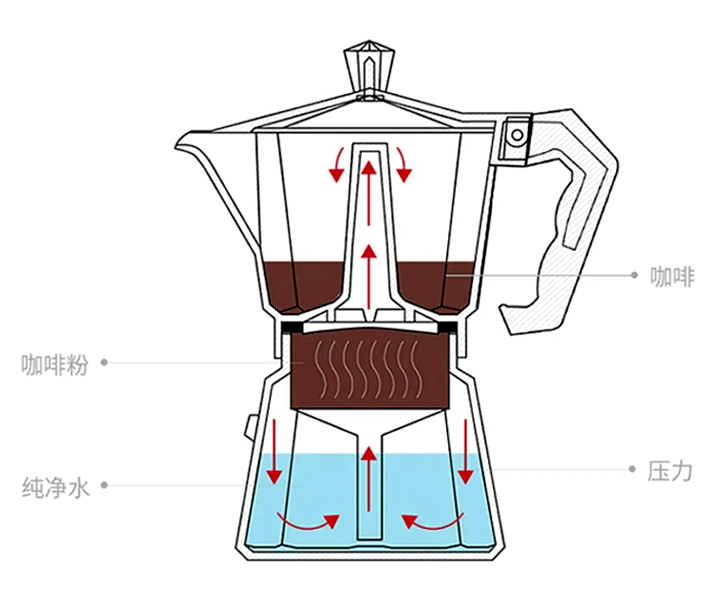
The moka pot relies on steam pressure to extract, and filling the filter basket is all that's needed for the grounds—tamping actually tends to slow down extraction. A grind one step coarser than espresso is recommended, the water level should be marked by the pot's scale or the lower edge of the safety valve, and the dose should be kept as consistent as possible. Heating over low heat and removing the pot from the stove as soon as the flow becomes continuous and the color lightens is a practical way to control bitterness and scorched flavors.
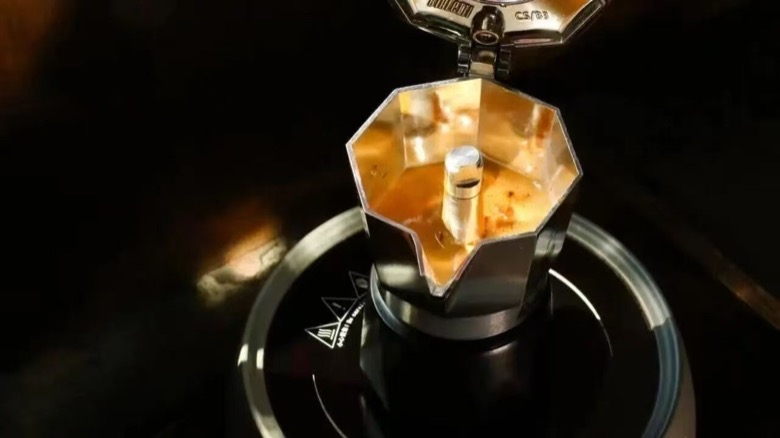
Around the topic of "how to brew oil in a Bialetti moka pot," you can first break the choice down into several parts: flavor preference, commonly used equipment, drinking temperature, and daily usage frequency. When matching equipment parameters, it helps to first decide which factor matters most to you, then use the other conditions to narrow things down. This way you keep your individuality while letting the beans show clear characteristics in actual brewing.
With nut, cocoa, and caramel as the flavor foundation, Front Street Coffee's Classic Blend delivers good intensity and body, suitable for everyday espresso machines, moka pots, and milk coffee drinks.
If you prefer the direction of dark chocolate plus roasted nuts, Front Street Coffee's Dark Cocoa Blend with its rich sweetness and low acidity would be very suitable—good for espresso, americano, and milk coffee alike.
Front Street Coffee's Papua New Guinea Paradise Bird has a clean cup and soft sweetness, with an overall quality close to the Blue Mountain family—worth trying for those seeking low acidity and balance.
A bean's performance depends not only on the flavor itself but also on the roast date and storage conditions. After opening, remember to seal it and store it in a cool, dry place; buy only as much as your daily usage to keep the flavor trajectory clearer. When brewing, smell the dry aroma first, then pay attention to the entry, sweetness, and finish; if the aroma is weak, check the grind size and how long the beans have been stored. The same bean behaves differently with heat, ice, and milk—record more sets of parameters, and your desired cup profile will become stable.
Weigh flavor preference and brewing difficulty in two separate baskets. Beans with prominent floral and fruity notes often require more attention to water temperature, grind, and pouring rhythm; blends in the nut-and-cocoa direction win on consistency, making daily brewing effortless. If several people at home drink together, you can start with a balanced bean as a base, then add single origins according to individual preferences—easier to compare than buying many beans of similar style all at once.
Start the coffee-to-water ratio from the pot's capacity, and level the coffee bed before brewing. If it's overall too bitter, lower the heat, remove from the stove earlier, or coarsen the grind; if the flavor is thin, check whether the dose is sufficient and whether the gasket is intact—troubleshoot item by item rather than blindly.
If your equipment, habits, and taste at home keep changing, you can arrange your beans as one daily and one exploratory: the daily one handles consistency, while the exploratory one handles floral-fruity, nut-cocoa, or processing-method exploration. Lock in the dose and water amount first, then change only one variable at a time—the bean's true flavor will be easier to recognize.
The above content is compiled by CoffeeHunters, a coffee news website.

