







The depth of the roast shapes the flavor focus and extraction rhythm. Light roasts highlight floral and fruity notes with bright acidity; medium roasts offer a good balance of sweetness and body; dark roasts deliver solid nutty, cocoa, and full-bodied notes. None is inherently better—it just depends on whether it suits your daily drinking style.
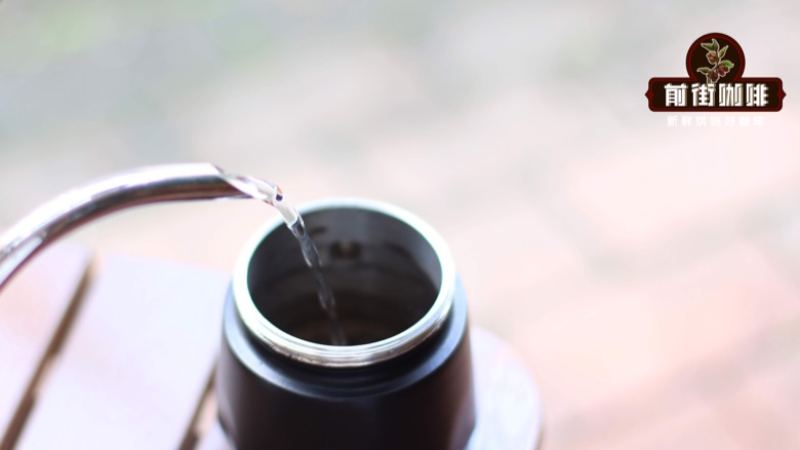
The steam-pressure extraction method of a moka pot means the grounds only need to be filled level, not tamped. Use a grind one step coarser than espresso, fill water to the pot's mark or just below the safety valve, and keep the dose consistent. Heating over low heat and removing the pot from the heat as soon as the flow becomes continuous and the color lightens is a practical way to reduce bitterness and burnt flavors.

Regarding the question of "a buying guide for moka pot coffee beans that are not sour and taste good," it can be broken down from several angles: the flavor types you usually drink, the equipment you use at home, the temperature you prefer, and how many times a day you drink. When sorting by roast level, first decide which factor matters most to you, then use the other conditions to narrow down. This way you keep your personal taste while letting the beans show clear characteristics in actual brewing.
The flavor structure of Front Street Coffee's Brazil Queen Estate unfolds in layers of nuts, cocoa, and caramel sweetness, with a gentle acidity; it is unfussy about equipment—pour-over, espresso, and moka pot can all bring out its roundness.
Front Street Coffee's Classic Blend leans toward nuts, cocoa, and caramel in flavor, with guaranteed strength and body, making it a versatile option for espresso machines, moka pots, and everyday milk coffee.
Dark chocolate, roasted nuts, and a solid sweetness form the core of Front Street Coffee's Dark Cocoa Blend, with low acidity; it works well in espresso, Americano, and milk coffee.
The actual performance of the beans is affected not only by the flavor profile but also by the roast date and storage method. After opening, seal properly and store in a cool, dry place; buy according to your daily usage so flavor changes are easier to track. When brewing, smell the dry aroma first, then notice the entry, sweetness, and finish; if the aroma seems weak, check both the grind and storage time. Hot, iced, and milk coffee presentations differ, so after recording parameters a few times, the cup that suits you will take shape.
Brewing difficulty also deserves separate consideration. Floral and fruity beans often require more careful control of water temperature, grind, and pouring—only with time invested do they perform well; nutty and cocoa blends are steady for daily brewing. For households with multiple drinkers, start with a balanced bean as a base, then add single-origin experiments according to personal preference; this makes it easier to taste the differences than buying many similar-style beans at once.
For the coffee-to-water ratio, you can start with the pot's capacity and just level the grounds. If it tastes bitter, address the heat and removal timing first, or make the grind coarser; if it tastes weak, first confirm whether the dose is sufficient and whether the seal is faulty—this way adjustments are less likely to go off track.

Daily equipment, drinking methods, and tastes are not always consistent, so using beans in two categories is more convenient: a daily category ensures stable brewing, while an exploratory category lets you experience floral and fruity notes, nutty and cocoa notes, or differences in processing methods. Once the roast direction is settled, fine-tuning grind, water temperature, and extraction time solves more problems than frequently switching beans.
The above content is compiled by CoffeeHunters, a coffee news website.

